
2019-2020 Lesson 17 of 32

RCMCP: Level 3 Spring

  • Kunlaya Wang

  • 19S36152364326831

  • Level 3 Piano

  • Queens

  • May 17, 2020 12:04 PM

Lesson Assignments:


TECHNIQUE

  1. RCMPC Technique Level 3.

    1. PREPARE: Tonic Triads on page 12

      1. Do the blocked first, then broken.

      2. Three times correctly each item.

      3. Watch out for fingering! :)

        1. Open up your book and study the fingering.

        2. Hands alone, close loud

        3. Hands together, close loud

        4. Hands alone slo-mo

        5. Hands together, legato medium tempo (3 times correctly)
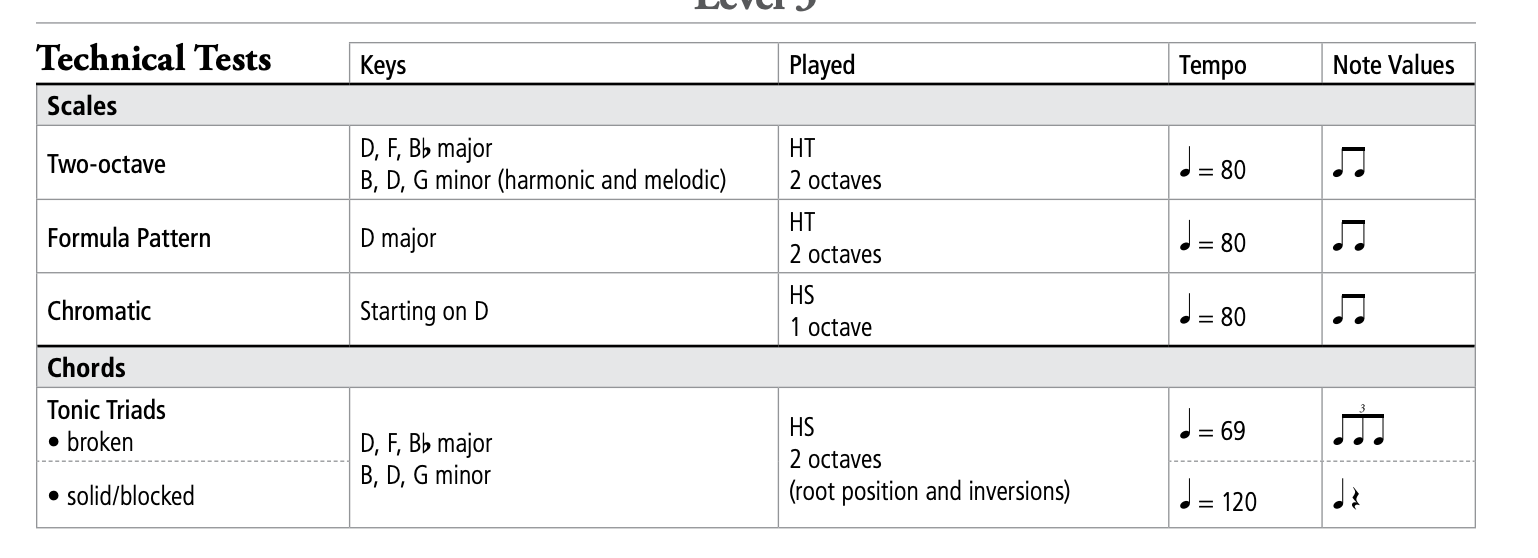
RCM Technical Requirements Level 3

RCM Technical Requirements Level 3


THEORY

  1. Celebrate Theory: Level 2

    1. PREPARE Unit 2, 3 & 4


READING

  1. Four Star Sightreading & Ear Tests Level 3

    1. PREPARE: Set 8

    2. Test next week with Dustin

  2. Sightreading 3A

    1. Continue on


REPERTOIRE

  1. Burgmuller Op. 100 No. 2 (L. 3 Etude)

    1. Start

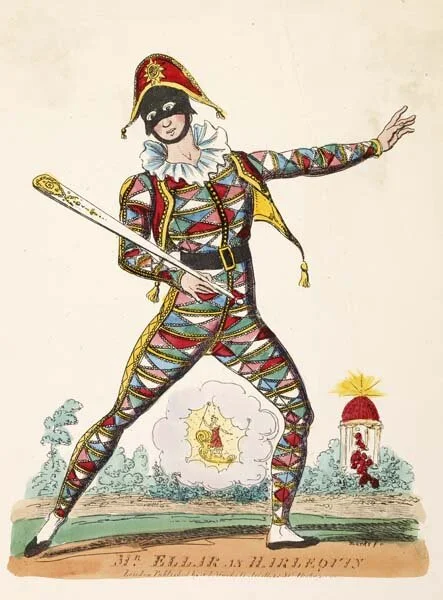
  2. Harlequinade by Johann Ludwig Krebs (1713 - 1780) (L. 3, A)

    1. Review with your music, slowly, once each week.

    2. Then play up to tempo without your music.

  3. Minuet in E-flat Major by Johann Mattheson (1681 - 1764) (L. 3, A)

    1. Review with your music, slowly, once each week.

    2. Then play up to tempo without your music.

  4. *Sonatina in C Major Op. 36 No. 1 by Muzio Clementi (1752-1832) (L. 3, B)

    1. For each system, spot every section with all details slowly:

  5. Song of the Twilight by Yoshinao Nakada (L. 3, C)

    1. fix Fingering and notes.

    2. speed build


Practice Tools

  1. Close Loud

    1. With each note, keep your fingers close to the keyboard and pop your wrist up to help release the tension created when you hit the key with force!

  2. Rhythms (Long, short, short, Long, short, short. etc.)

    1. The long notes are strong like “close loud,” and the short notes are light and played as quickly as possible, THINKING about going to the next long note.

  3. Accent Practice

    1. Accent one note in a group and practice alternating the note that receives the accent.

  4. Staccato Practice

  5. Double Note Practice

  6. Slo-Mo Practice


Review once a week with your music.

  1. Prokofiev Op. 65 No. 10

  2. Toccatina by Kabalevsky

  3. Burgmuller Op. 100 No. “The Limped Stream”

  4. Andante in G Minor by Telemann (L. 1)

  5. *Haydn German Dance in D Major (L. 1)

  6. *Hopscotch by Boris Berlin (L. 1 Etude)

  7. *Celebration by Anne Crosby Gaudet (L. 1 Etude)

  8. *A Swinging Leprechaun by Mike Schoenmehl (L. 1 Etude)

  9. Etude in C Major by Félix Le Couppey (L. 1 Etude)

  10. Far Away by Teresa Richert (L. 1 Etude)

  11. *Distant Chimes by Jon George

  12. Gavotte in C by Telemann

  13. *Pantomime by Faber

  14. Curious Cat by Teresa Richert (Prep A)

  15. Baby Kangaroo (12/7/17)

  16. Teeter-Totter by Dale Reubart (Prep A)

  17. Dmitri Kabalevsky: Marching Op. 39 No. 3 (Prep A)

  18. *Let's Waltz by Elvina Pearce (Prep A)
2019-2020 Lesson 16 of 32

RCMCP: Level 3 Spring

Lesson Assignments:


TECHNIQUE

  1. RCMPC Technique Level 3.

    1. REDO: D Major Formula Pattern

    2. REDO: B-flat Major scale

      1. Think about the fingering before you start to play! :)

      2. Fix the fingering

      3. Have fingers close to the keys

      4. Wrists in one direction each way.

    3. PREPARE: Tonic Triads on page 12

      1. Do the blocked first, then broken.

      2. Three times correctly each item.

      3. Watch out for fingering! :)

        1. Open up your book and study the fingering.

        2. Hands alone, close loud

        3. Hands together, close loud

        4. Hands alone slo-mo

        5. Hands together, legato medium tempo (3 times correctly)

RCM Technical Requirements Level 3

RCM Technical Requirements Level 3


THEORY

  1. Celebrate Theory: Level 1

    1. PREPARE AND PRINT: Unit 1 Level 2


READING

  1. Four Star Sightreading & Ear Tests Level 3

    1. PREPARE: Set 7 finish

    2. Test next week with Dustin

  2. Sightreading 3A

    1. Continue on


REPERTOIRE

  1. (RECITAL) Harlequinade by Johann Ludwig Krebs (1713 - 1780) (L. 3, A)

    1. Spend 10 min, starting from random measures.

    2. Slow practice

  2. (RECITAL) Minuet in E-flat Major by Johann Mattheson (1681 - 1764) (L. 3, A)

  3. *Sonatina in C Major Op. 36 No. 1 by Muzio Clementi (1752-1832) (L. 3, B)

    1. After your recital, this is your focus. m.m. 72 no stops! :)

    2. ms. 6-7 - detach your LH notes!

    3. Play the position (blocked) of measures 8, 9, 10, 11 and 12, back to back - beats 1-2 blocked together.

    4. m. 8 - LH prepare. You’re not doing the rest

    5. Look at all the LH rests!

    6. Practice blocking where needed. 2-4 mesures at a time.

  4. Song of the Twilight by Yoshinao Nakada (L. 3, C)

    1. Choose random measures and be able to start there, having one goal in mind.

    2. Feel comfortable hands apart first.

  5. Tchaikovsky Op. 39 No. 9 “Waltz”

    1. Fix all orange pen.


Practice Tools

  1. Close Loud

    1. With each note, keep your fingers close to the keyboard and pop your wrist up to help release the tension created when you hit the key with force!

  2. Rhythms (Long, short, short, Long, short, short. etc.)

    1. The long notes are strong like “close loud,” and the short notes are light and played as quickly as possible, THINKING about going to the next long note.

  3. Accent Practice

    1. Accent one note in a group and practice alternating the note that receives the accent.

  4. Staccato Practice

  5. Double Note Practice

  6. Slo-Mo Practice


Review once a week with your music.

  1. Prokofiev Op. 65 No. 10

  2. Toccatina by Kabalevsky

  3. Burgmuller Op. 100 No. “The Limped Stream”

  4. Andante in G Minor by Telemann (L. 1)

  5. *Haydn German Dance in D Major (L. 1)

  6. *Hopscotch by Boris Berlin (L. 1 Etude)

  7. *Celebration by Anne Crosby Gaudet (L. 1 Etude)

  8. *A Swinging Leprechaun by Mike Schoenmehl (L. 1 Etude)

  9. Etude in C Major by Félix Le Couppey (L. 1 Etude)

  10. Far Away by Teresa Richert (L. 1 Etude)

  11. *Distant Chimes by Jon George

  12. Gavotte in C by Telemann

  13. *Pantomime by Faber

  14. Curious Cat by Teresa Richert (Prep A)

  15. Baby Kangaroo (12/7/17)

  16. Teeter-Totter by Dale Reubart (Prep A)

  17. Dmitri Kabalevsky: Marching Op. 39 No. 3 (Prep A)

  18. *Let's Waltz by Elvina Pearce (Prep A)

2019-2020 Lesson 15 of 32

RCMCP: Level 3 Spring

Lesson Assignments:


TECHNIQUE

  1. RCMPC Technique Level 3.

    1. REDO: D Major Formula Pattern

    2. REDO: B-flat Major scale

    3. PREPARE: Tonic Triads on pages 10 and 11

      1. Do the blocked first, then broken.

      2. Three times correctly each item.

      3. Watch out for fingering! :)

        1. Open up your book and study the fingering.

        2. Hands alone, close loud

        3. Hands together, close loud

        4. Hands alone slo-mo

        5. Hands together, legato medium tempo (3 times correctly)

RCM Technical Requirements Level 3

RCM Technical Requirements Level 3


THEORY

  1. Celebrate Theory: Level 1

    1. PREPARE AND PRINT: Unit 1 Level 2


READING

  1. Four Star Sightreading & Ear Tests Level 3

    1. PREPARE: Set 7 finish

    2. Test next week with Dustin

  2. Sightreading 3A

    1. Continue on


REPERTOIRE

  1. (RECITAL) Harlequinade by Johann Ludwig Krebs (1713 - 1780) (L. 3, A)

    1. HANDS ALONE PRACTICE

      1. Practice entire piece hands alone with the music.

    2. SECTION PREACTICE

      1. Choose a small section and play 3 times in-a-row correctly having one focus.

    3. FINAL TEMPO PRACTICE

      1. Entire piece 3 times correctly.

  2. (RECITAL) Minuet in E-flat Major by Johann Mattheson (1681 - 1764) (L. 3, A)

    1. HANDS ALONE PRACTICE

      1. Practice entire piece hands alone with the music.

      1. SECTION PREACTICE

        1. Choose a small section and play 3 times in-a-row correctly having one focus.

      2. FINAL TEMPO PRACTICE

        1. Entire piece 3 times correctly.

  3. *Sonatina in C Major Op. 36 No. 1 by Muzio Clementi (1752-1832) (L. 3, B)

    1. After your recital, this is your focus. m.m. 72 no stops! :)

    2. ms. 6-7 - detach your LH notes!

    3. Play the position (blocked) of measures 8, 9, 10, 11 and 12, back to back - beats 1-2 blocked together.

    4. m. 8 - LH prepare. You’re not doing the rest

    5. Look at all the LH rests!

    6. Practice blocking where needed. 2-4 mesures at a time.

  4. Song of the Twilight by Yoshinao Nakada (L. 3, C)

    1. Choose random measures and be able to start there, having one goal in mind.

    2. Feel comfortable hands apart first.

  5. Tchaikovsky Op. 39 No. 9 “Waltz”

    1. Fix all orange pen.


Practice Tools

  1. Close Loud

    1. With each note, keep your fingers close to the keyboard and pop your wrist up to help release the tension created when you hit the key with force!

  2. Rhythms (Long, short, short, Long, short, short. etc.)

    1. The long notes are strong like “close loud,” and the short notes are light and played as quickly as possible, THINKING about going to the next long note.

  3. Accent Practice

    1. Accent one note in a group and practice alternating the note that receives the accent.

  4. Staccato Practice

  5. Double Note Practice

  6. Slo-Mo Practice


Review once a week with your music.

  1. Prokofiev Op. 65 No. 10

  2. Toccatina by Kabalevsky

  3. Burgmuller Op. 100 No. “The Limped Stream”

  4. Andante in G Minor by Telemann (L. 1)

  5. *Haydn German Dance in D Major (L. 1)

  6. *Hopscotch by Boris Berlin (L. 1 Etude)

  7. *Celebration by Anne Crosby Gaudet (L. 1 Etude)

  8. *A Swinging Leprechaun by Mike Schoenmehl (L. 1 Etude)

  9. Etude in C Major by Félix Le Couppey (L. 1 Etude)

  10. Far Away by Teresa Richert (L. 1 Etude)

  11. *Distant Chimes by Jon George

  12. Gavotte in C by Telemann

  13. *Pantomime by Faber

  14. Curious Cat by Teresa Richert (Prep A)

  15. Baby Kangaroo (12/7/17)

  16. Teeter-Totter by Dale Reubart (Prep A)

  17. Dmitri Kabalevsky: Marching Op. 39 No. 3 (Prep A)

  18. *Let's Waltz by Elvina Pearce (Prep A)

2019-2020 Lesson 14 of 32

RCMCP: Level 3 Spring

Lesson Assignments:


TECHNIQUE

  1. RCMPC Technique Level 3.

    1. REDO: D Major Formula Pattern

    2. REDO: B-flat Major scale

    3. PREPARE: Tonic Triads on pages 10 and 11

      1. Do the blocked first, then broken.

      2. Three times correctly each item.

      3. Watch out for fingering! :)

        1. Open up your book and study the fingering.

        2. Hands alone, close loud

        3. Hands together, close loud

        4. Hands alone slo-mo

        5. Hands together, legato medium tempo (3 times correctly)

RCM Technical Requirements Level 3

RCM Technical Requirements Level 3


THEORY

  1. Celebrate Theory: Level 1

    1. PREPARE AND PRINT: Unit 1 Level 2


READING

  1. Four Star Sightreading & Ear Tests Level 3

    1. PREPARE: Set 7 finish

    2. Test next week with Dustin

  2. Sightreading 3A

    1. Continue on


REPERTOIRE

  1. Harlequinade by Johann Ludwig Krebs (1713 - 1780) (L. 3, A)

    1. Slow this down and look at the pen - expression

  2. Minuet in E-flat Major by Johann Mattheson (1681 - 1764) (L. 3, A)

    1. Practice with a focus in expression. With and without music.

  3. Sonatina in C Major Op. 36 No. 1 by Muzio Clementi (1752-1832) (L. 3, B)

    1. Hands together, with no stops, m.m. 72

  4. Song of the Twilight by Yoshinao Nakada (L. 3, C)

    1. Start to learn one measure at a time! Think of the three sharps in A Major!

  5. Tchaikovsky Op. 39 No. 9 “Waltz”

    1. Fix all orange pen.


Practice Tools

  1. Close Loud

    1. With each note, keep your fingers close to the keyboard and pop your wrist up to help release the tension created when you hit the key with force!

  2. Rhythms (Long, short, short, Long, short, short. etc.)

    1. The long notes are strong like “close loud,” and the short notes are light and played as quickly as possible, THINKING about going to the next long note.

  3. Accent Practice

    1. Accent one note in a group and practice alternating the note that receives the accent.

  4. Staccato Practice

  5. Double Note Practice

  6. Slo-Mo Practice


Review once a week with your music.

  1. Prokofiev Op. 65 No. 10

  2. Toccatina by Kabalevsky

  3. Burgmuller Op. 100 No. “The Limped Stream”

  4. Andante in G Minor by Telemann (L. 1)

  5. *Haydn German Dance in D Major (L. 1)

  6. *Hopscotch by Boris Berlin (L. 1 Etude)

  7. *Celebration by Anne Crosby Gaudet (L. 1 Etude)

  8. *A Swinging Leprechaun by Mike Schoenmehl (L. 1 Etude)

  9. Etude in C Major by Félix Le Couppey (L. 1 Etude)

  10. Far Away by Teresa Richert (L. 1 Etude)

  11. *Distant Chimes by Jon George

  12. Gavotte in C by Telemann

  13. *Pantomime by Faber

  14. Curious Cat by Teresa Richert (Prep A)

  15. Baby Kangaroo (12/7/17)

  16. Teeter-Totter by Dale Reubart (Prep A)

  17. Dmitri Kabalevsky: Marching Op. 39 No. 3 (Prep A)

  18. *Let's Waltz by Elvina Pearce (Prep A)

2019-2020 Lesson 13 of 32

RCMCP: Level 3 Spring

Lesson Assignments:


TECHNIQUE

  1. RCMPC Technique Level 3.

    1. REDO: D Major Formula Pattern

    2. REDO: B-flat Major scale

    3. PREPARE: Tonic Triads on pages 10 and 11

      1. Do the blocked first, then broken.

      2. Three times correctly each item.

      3. Watch out for fingering! :)

        1. Open up your book and study the fingering.

        2. Hands alone, close loud

        3. Hands together, close loud

        4. Hands alone slo-mo

        5. Hands together, legato medium tempo (3 times correctly)

RCM Technical Requirements Level 3

RCM Technical Requirements Level 3


THEORY

  1. Celebrate Theory: Level 1

    1. COMPLETE: Units 7 and 8

    2. DUSTIN: Bring Unit 1 Level 2


READING

  1. Four Star Sightreading & Ear Tests Level 3

    1. PREPARE: Set 7 finish

    2. Test next week with Dustin

  2. Sightreading 3A

    1. Continue on


REPERTOIRE

  1. Harlequinade by Johann Ludwig Krebs (1713 - 1780) (L. 3, A)

    1. Get the pulse in your mind first. Don’t rush this - not toooooo fast! :)

  2. Minuet in E-flat Major by Johann Mattheson (1681 - 1764) (L. 3, A)

    1. Spot the trill sections

    2. Careful of no pause between measures 20-21

  3. Sonatina in C Major Op. 36 No. 1 by Muzio Clementi (1752-1832) (L. 3, B)

    1. Spot measures 17-19

    2. Measure 20-21 - Make sure the LH is in the black before you play the E-flat.

    3. Finish learning to the end at one tempo. Careful of your slurs and fingering.

    4. Spot measures 6-8

    5. Fix all green pen.

    6. Practice in chunks, hands alone and then hands together.

  4. Song of the Twilight by Yoshinao Nakada (L. 3, C)

    1. Start to learn one measure at a time! Think of the three sharps in A Major!

  5. Tchaikovsky Op. 39 No. 9 “Waltz”

    1. Fix all orange pen.


Practice Tools

  1. Close Loud

    1. With each note, keep your fingers close to the keyboard and pop your wrist up to help release the tension created when you hit the key with force!

  2. Rhythms (Long, short, short, Long, short, short. etc.)

    1. The long notes are strong like “close loud,” and the short notes are light and played as quickly as possible, THINKING about going to the next long note.

  3. Accent Practice

    1. Accent one note in a group and practice alternating the note that receives the accent.

  4. Staccato Practice

  5. Double Note Practice

  6. Slo-Mo Practice


Review once a week with your music.

  1. Prokofiev Op. 65 No. 10

  2. Toccatina by Kabalevsky

  3. Burgmuller Op. 100 No. “The Limped Stream”

  4. Andante in G Minor by Telemann (L. 1)

  5. *Haydn German Dance in D Major (L. 1)

  6. *Hopscotch by Boris Berlin (L. 1 Etude)

  7. *Celebration by Anne Crosby Gaudet (L. 1 Etude)

  8. *A Swinging Leprechaun by Mike Schoenmehl (L. 1 Etude)

  9. Etude in C Major by Félix Le Couppey (L. 1 Etude)

  10. Far Away by Teresa Richert (L. 1 Etude)

  11. *Distant Chimes by Jon George

  12. Gavotte in C by Telemann

  13. *Pantomime by Faber

  14. Curious Cat by Teresa Richert (Prep A)

  15. Baby Kangaroo (12/7/17)

  16. Teeter-Totter by Dale Reubart (Prep A)

  17. Dmitri Kabalevsky: Marching Op. 39 No. 3 (Prep A)

  18. *Let's Waltz by Elvina Pearce (Prep A)

2019-2020 Lesson 12 of 32

RCMCP: Level 3 Spring

Lesson Assignments:


TECHNIQUE

  1. RCMPC Technique Level 3.

    1. REDO: D Major Formula Pattern

    2. REDO: B-flat Major scale

    3. PREPARE: Tonic Triads on pages 10 and 11

      1. Do the blocked first, then broken.

      2. Three times correctly each item.

      3. Watch out for fingering! :)

        1. Open up your book and study the fingering.

        2. Hands alone, close loud

        3. Hands together, close loud

        4. Hands alone slo-mo

        5. Hands together, legato medium tempo (3 times correctly)

RCM Technical Requirements Level 3

RCM Technical Requirements Level 3


THEORY

  1. Celebrate Theory: Level 1

    1. DUSTIN WILL BRING UNIT 7 OF LEVEL 1 AND UNIT 1 OF LEVEL 2


READING

  1. Four Star Sightreading & Ear Tests Level 3

    1. PREPARE: Set 7

  2. Sightreading 3A

    1. Continue on from page 46

      1. Focus on having a steady pulse.

      2. Ask yourself what the shortest note value is, then go from there!


REPERTOIRE

  1. Harlequinade by Johann Ludwig Krebs (1713 - 1780) (L. 3, A)

    1. Review once a week with your music.

  2. Minuet in E-flat Major by Johann Mattheson (1681 - 1764) (L. 3, A)

    1. Fix the trill alignment with the LH in measure 16-17

    2. Last system - keep the detached notes consistent in the LH

    3. Use pedal between measures 5 and 6 to connect your notes.

    4. No pause between measures 20 and 21

    5. Next week we will start to speed build.

  3. Sonatina in C Major Op. 36 No. 1 by Muzio Clementi (1752-1832) (L. 3, B)

    1. Spot measures 17-19

    2. Measure 20-21 - Make sure the LH is in the black before you play the E-flat.

    3. Finish learning to the end at one tempo. Careful of your slurs and fingering.

  4. Song of the Twilight by Yoshinao Nakada (L. 3, C)

    1. Start to learn one measure at a time! Think of the three sharps in A Major!

  5. Tchaikovsky Op. 39 No. 9 “Waltz”

    1. Fix all orange pen.


Practice Tools

  1. Close Loud

    1. With each note, keep your fingers close to the keyboard and pop your wrist up to help release the tension created when you hit the key with force!

  2. Rhythms (Long, short, short, Long, short, short. etc.)

    1. The long notes are strong like “close loud,” and the short notes are light and played as quickly as possible, THINKING about going to the next long note.

  3. Accent Practice

    1. Accent one note in a group and practice alternating the note that receives the accent.

  4. Staccato Practice

  5. Double Note Practice

  6. Slo-Mo Practice


Review once a week with your music.

  1. Prokofiev Op. 65 No. 10

  2. Toccatina by Kabalevsky

  3. Burgmuller Op. 100 No. “The Limped Stream”

  4. Andante in G Minor by Telemann (L. 1)

  5. *Haydn German Dance in D Major (L. 1)

  6. *Hopscotch by Boris Berlin (L. 1 Etude)

  7. *Celebration by Anne Crosby Gaudet (L. 1 Etude)

  8. *A Swinging Leprechaun by Mike Schoenmehl (L. 1 Etude)

  9. Etude in C Major by Félix Le Couppey (L. 1 Etude)

  10. Far Away by Teresa Richert (L. 1 Etude)

  11. *Distant Chimes by Jon George

  12. Gavotte in C by Telemann

  13. *Pantomime by Faber

  14. Curious Cat by Teresa Richert (Prep A)

  15. Baby Kangaroo (12/7/17)

  16. Teeter-Totter by Dale Reubart (Prep A)

  17. Dmitri Kabalevsky: Marching Op. 39 No. 3 (Prep A)

  18. *Let's Waltz by Elvina Pearce (Prep A)

2019-2020 Lesson 11 of 32

RCMCP: Level 3 Spring

Lesson Assignments:


TECHNIQUE

  1. ****SCALES - set timer for 7 min.

    1. REDO: pages 8 and 9:

      1. Open up your book and study the fingering.

      2. Hands alone, close loud

      3. Hands together, close loud

      4. Hands alone slo-mo

      5. Hands together, legato medium tempo (3 times correctly)

RCM Technical Requirements Level 3

RCM Technical Requirements Level 3


THEORY

  1. Celebrate Theory: Level 1

    1. PREPARE: Unit 6


READING

  1. Four Star Sightreading & Ear Tests Level 3

    1. PREPARE: Set 6

      1. sight reading refs work

  2. Sightreading 3A

    1. Continue on from page 27

      1. Focus on having a steady pulse.

      2. Ask yourself what the shortest note value is, then go from there!


REPERTOIRE

  1. Harlequinade by Johann Ludwig Krebs (1713 - 1780) (L. 3, A)

    1. Review once a week with your music.

  2. * in E-flat Major by Johann Mattheson (1681 - 1764) (L. 3, A)

    1. Fix all pen

  3. Sonatina in C Major Op. 36 No. 1 by Muzio Clementi (1752-1832) (L. 3, B)

    1. Learn the Exposition: Hands together

      1. Use NFRPE.

  4. Song of the Twilight by Yoshinao Nakada (L. 3, C)

    1. Look it over. Sightread.

  5. Tchaikovsky Op. 39 No. 9 “Waltz”

    1. Fix all orange pen.


Practice Tools

  1. Close Loud

    1. With each note, keep your fingers close to the keyboard and pop your wrist up to help release the tension created when you hit the key with force!

  2. Rhythms (Long, short, short, Long, short, short. etc.)

    1. The long notes are strong like “close loud,” and the short notes are light and played as quickly as possible, THINKING about going to the next long note.

  3. Accent Practice

    1. Accent one note in a group and practice alternating the note that receives the accent.

  4. Staccato Practice

  5. Double Note Practice

  6. Slo-Mo Practice


Review once a week with your music.

  1. Prokofiev Op. 65 No. 10

  2. Toccatina by Kabalevsky

  3. Burgmuller Op. 100 No. “The Limped Stream”

  4. Andante in G Minor by Telemann (L. 1)

  5. *Haydn German Dance in D Major (L. 1)

  6. *Hopscotch by Boris Berlin (L. 1 Etude)

  7. *Celebration by Anne Crosby Gaudet (L. 1 Etude)

  8. *A Swinging Leprechaun by Mike Schoenmehl (L. 1 Etude)

  9. Etude in C Major by Félix Le Couppey (L. 1 Etude)

  10. Far Away by Teresa Richert (L. 1 Etude)

  11. *Distant Chimes by Jon George

  12. Gavotte in C by Telemann

  13. *Pantomime by Faber

  14. Curious Cat by Teresa Richert (Prep A)

  15. Baby Kangaroo (12/7/17)

  16. Teeter-Totter by Dale Reubart (Prep A)

  17. Dmitri Kabalevsky: Marching Op. 39 No. 3 (Prep A)

  18. *Let's Waltz by Elvina Pearce (Prep A)

2019-2020 Lesson 10 of 32

RCMCP: Level 3 Spring

Lesson Assignments:


TECHNIQUE

  1. ***SCALES - set timer for 7 min.

    1. REDO: pages 8 and 9:

      1. Open up your book and study the fingering.

      2. Hands alone, close loud

      3. Hands together, close loud

      4. Hands alone slo-mo

      5. Hands together, legato medium tempo (3 times correctly)

RCM Technical Requirements Level 3

RCM Technical Requirements Level 3


THEORY

  1. Celebrate Theory: Level 1

    1. PREPARE: Unit 6


READING

  1. Four Star Sightreading & Ear Tests Level 3

    1. PREPARE: Set 5

  2. Sightreading 3A

    1. Continue on from page 27

      1. Focus on having a steady pulse.

      2. Ask yourself what the shortest note value is, then go from there!


REPERTOIRE

  1. Harlequinade by Johann Ludwig Krebs (1713 - 1780) (L. 3, A)

    1. Review once a week with your music.

  2. Menuet in E-flat Major by Johann Mattheson (1681 - 1764) (L. 3, A)

    1. Fix all pen

  3. Sonatina in C Major Op. 36 No. 1 by Muzio Clementi (1752-1832) (L. 3, B)

    1. Learn the Exposition: Hands together

      1. Use NFRPE.

  4. Song of the Twilight by Yoshinao Nakada (L. 3, C)

    1. Look it over. Sightread.

  5. Tchaikovsky Op. 39 No. 9 “Waltz”

    1. Fix all orange pen.


Practice Tools

  1. Close Loud

    1. With each note, keep your fingers close to the keyboard and pop your wrist up to help release the tension created when you hit the key with force!

  2. Rhythms (Long, short, short, Long, short, short. etc.)

    1. The long notes are strong like “close loud,” and the short notes are light and played as quickly as possible, THINKING about going to the next long note.

  3. Accent Practice

    1. Accent one note in a group and practice alternating the note that receives the accent.

  4. Staccato Practice

  5. Double Note Practice

  6. Slo-Mo Practice


Review once a week with your music.

  1. Prokofiev Op. 65 No. 10

  2. Toccatina by Kabalevsky

  3. Burgmuller Op. 100 No. “The Limped Stream”

  4. Andante in G Minor by Telemann (L. 1)

  5. *Haydn German Dance in D Major (L. 1)

  6. *Hopscotch by Boris Berlin (L. 1 Etude)

  7. *Celebration by Anne Crosby Gaudet (L. 1 Etude)

  8. *A Swinging Leprechaun by Mike Schoenmehl (L. 1 Etude)

  9. Etude in C Major by Félix Le Couppey (L. 1 Etude)

  10. Far Away by Teresa Richert (L. 1 Etude)

  11. *Distant Chimes by Jon George

  12. Gavotte in C by Telemann

  13. *Pantomime by Faber

  14. Curious Cat by Teresa Richert (Prep A)

  15. Baby Kangaroo (12/7/17)

  16. Teeter-Totter by Dale Reubart (Prep A)

  17. Dmitri Kabalevsky: Marching Op. 39 No. 3 (Prep A)

  18. *Let's Waltz by Elvina Pearce (Prep A)

2019-2020 Lesson 9 of 32

RCMCP: Level 3 Spring

Lesson Assignments:


TECHNIQUE

  1. SCALES - set timer for 7 min.

    1. PREPARE: pages 8 and 9:

      1. Open up your book and study the fingering.

      2. Hands alone, close loud

      3. Hands together, close loud

      4. Hands alone slo-mo

      5. Hands together, legato medium tempo (3 times correctly)

RCM Technical Requirements Level 3

RCM Technical Requirements Level 3


THEORY

  1. Celebrate Theory: Level 1

    1. PREPARE: Unit 5


READING

  1. *Four Star Sightreading & Ear Tests Level 3

    1. PREPARE: Set 4

      1. Playback needs work

      2. Test next week.

  2. Sightreading 3A

    1. Continue on from page 27

      1. Focus on having a steady pulse.

      2. Ask yourself what the shortest note value is, then go from there!


REPERTOIRE

  1. Harlequinade by Johann Ludwig Krebs (1713 - 1780) (L. 3, A)

    1. Review once a week with your music.

  2. Menuet in E-flat Major by Johann Mattheson (1681 - 1764) (L. 3, A)

    1. Practice the measures with the trills by themselves.

      1. Isolate the trill with the LH. Execute the trill within the first 8th note of the LH in measure 17. Play the following F (next 8th notes) immediately after the trill is finished.

      2. RH - drop your wrist into the first note of the trill. Pop your wrist up at the end of the trill.

    2. EXPRESSION IS PRIORITY FOR NEXT WEEK.

  3. Sonatina in C Major Op. 36 No. 1 by Muzio Clementi (1752-1832) (L. 3, B)

    1. Learn the Exposition: Measures 1-15

      1. Use NFRPE.

  4. Tchaikovsky Op. 39 No. 9 “Waltz”

    1. Fix all orange pen.


Practice Tools

  1. Close Loud

    1. With each note, keep your fingers close to the keyboard and pop your wrist up to help release the tension created when you hit the key with force!

  2. Rhythms (Long, short, short, Long, short, short. etc.)

    1. The long notes are strong like “close loud,” and the short notes are light and played as quickly as possible, THINKING about going to the next long note.

  3. Accent Practice

    1. Accent one note in a group and practice alternating the note that receives the accent.

  4. Staccato Practice

  5. Double Note Practice

  6. Slo-Mo Practice


On Hold:

Solos 3

  1. No assignment

  1. Lesson & Musicianship 3

    1. no assignment (left off on page 10)

Hanon No. 4-5

  1. Be able to play nos. 4 and 5 back to back without stopping.

  2. WRIST UP PLEASE!

  3. Close Loud

  4. Accent Practice (every other note)

  5. Rhythms

    1. long, long, short, short

    2. short, short, long, long

    3. long, short, short, long

Lesson & Musicianship 2B

  1. Left off on page 30

  2. BARTOK: Mikrokosmos (no assignment)

    1. PREPARE: No. 8 next time

  3. Basic Rhythmic Training (no assignment)

    1. PREPARE: 65-66 Be able to ta and conduct.

  4. Four Star, Sight-reading and Ear Tests (no assignment)

    1. DUSTIN BRING SETS 8-10

    2. Prep B: Set 7

  5. Solfege - (no assignment)

    1. Chapter 8 - left off

___________________________________________

**REVIEW - once a week with your music. The "*" means we've heard it.


Prokofiev Op. 65 No. 10

  1. Toccatina by Kabalevsky

  2. Burgmuller Op. 100 No. “The Limped Stream”

  3. Andante in G Minor by Telemann (L. 1)

  4. *Haydn German Dance in D Major (L. 1)

  5. *Hopscotch by Boris Berlin (L. 1 Etude)

  6. *Celebration by Anne Crosby Gaudet (L. 1 Etude)

  7. *A Swinging Leprechaun by Mike Schoenmehl (L. 1 Etude)

  8. Etude in C Major by Félix Le Couppey (L. 1 Etude)

  9. Far Away by Teresa Richert (L. 1 Etude)

  10. *Distant Chimes by Jon George

  11. Gavotte in C by Telemann

  12. *Pantomime by Faber

  13. Curious Cat by Teresa Richert (Prep A)

  14. Baby Kangaroo (12/7/17)

  15. Teeter-Totter by Dale Reubart (Prep A)

  16. Dmitri Kabalevsky: Marching Op. 39 No. 3 (Prep A)

  17. *Let's Waltz by Elvina Pearce (Prep A)


THEORY (no assignment)

  1.  Music Theory for Young Children 3 (no assignment)

    1. Left off at page 34 (scale theory)

Performance Class: TWO

  1. Sunday, February 11, 2018

    1. Celebration

    2. Swinging Leprechaun

    3. Hopscotch

2019-2020 Lesson 8 of 32

RCMCP: Level 3 Spring

Lesson Assignments:


TECHNIQUE

  1. SCALES - set timer for 7 min.

    1. PREPARE: pages 8 and 9:

      1. Open up your book and study the fingering.

      2. Hands alone, close loud

      3. Hands together, close loud

      4. Hands alone slo-mo

      5. Hands together, legato medium tempo (3 times correctly)

RCM Technical Requirements Level 3

RCM Technical Requirements Level 3


THEORY

  1. Celebrate Theory: Level 1

    1. PREPARE: Unit 5


READING

  1. *Four Star Sightreading & Ear Tests Level 3

    1. PREPARE: Set 4

      1. Playback needs work

      2. Test next week.

  2. Sightreading 3A

    1. Continue on from page 27

      1. Focus on having a steady pulse.

      2. Ask yourself what the shortest note value is, then go from there!


REPERTOIRE

  1. Harlequinade by Johann Ludwig Krebs (1713 - 1780) (L. 3, A)

    1. Review once a week with your music.

  2. Menuet in E-flat Major by Johann Mattheson (1681 - 1764) (L. 3, A)

    1. Learn to the end!

  3. Sonatina in C Major Op. 36 No. 1 by Muzio Clementi (1752-1832) (L. 3, B)

    1. Learn after the Mattheson

  4. Tchaikovsky Op. 39 No. 9 “Waltz”

    1. Fix all orange pen.


Practice Tools

  1. Close Loud

    1. With each note, keep your fingers close to the keyboard and pop your wrist up to help release the tension created when you hit the key with force!

  2. Rhythms (Long, short, short, Long, short, short. etc.)

    1. The long notes are strong like “close loud,” and the short notes are light and played as quickly as possible, THINKING about going to the next long note.

  3. Accent Practice

    1. Accent one note in a group and practice alternating the note that receives the accent.

  4. Staccato Practice

  5. Double Note Practice

  6. Slo-Mo Practice


On Hold:

Solos 3

  1. No assignment

  1. Lesson & Musicianship 3

    1. no assignment (left off on page 10)

Hanon No. 4-5

  1. Be able to play nos. 4 and 5 back to back without stopping.

  2. WRIST UP PLEASE!

  3. Close Loud

  4. Accent Practice (every other note)

  5. Rhythms

    1. long, long, short, short

    2. short, short, long, long

    3. long, short, short, long

Lesson & Musicianship 2B

  1. Left off on page 30

  2. BARTOK: Mikrokosmos (no assignment)

    1. PREPARE: No. 8 next time

  3. Basic Rhythmic Training (no assignment)

    1. PREPARE: 65-66 Be able to ta and conduct.

  4. Four Star, Sight-reading and Ear Tests (no assignment)

    1. DUSTIN BRING SETS 8-10

    2. Prep B: Set 7

  5. Solfege - (no assignment)

    1. Chapter 8 - left off

___________________________________________

**REVIEW - once a week with your music. The "*" means we've heard it.


Prokofiev Op. 65 No. 10

  1. Toccatina by Kabalevsky

  2. Burgmuller Op. 100 No. “The Limped Stream”

  3. Andante in G Minor by Telemann (L. 1)

  4. *Haydn German Dance in D Major (L. 1)

  5. *Hopscotch by Boris Berlin (L. 1 Etude)

  6. *Celebration by Anne Crosby Gaudet (L. 1 Etude)

  7. *A Swinging Leprechaun by Mike Schoenmehl (L. 1 Etude)

  8. Etude in C Major by Félix Le Couppey (L. 1 Etude)

  9. Far Away by Teresa Richert (L. 1 Etude)

  10. *Distant Chimes by Jon George

  11. Gavotte in C by Telemann

  12. *Pantomime by Faber

  13. Curious Cat by Teresa Richert (Prep A)

  14. Baby Kangaroo (12/7/17)

  15. Teeter-Totter by Dale Reubart (Prep A)

  16. Dmitri Kabalevsky: Marching Op. 39 No. 3 (Prep A)

  17. *Let's Waltz by Elvina Pearce (Prep A)


THEORY (no assignment)

  1.  Music Theory for Young Children 3 (no assignment)

    1. Left off at page 34 (scale theory)

Performance Class: TWO

  1. Sunday, February 11, 2018

    1. Celebration

    2. Swinging Leprechaun

    3. Hopscotch

2019-2020 Lesson 7 of 32

RCMCP: Level 3 Spring

Lesson Assignments:


TECHNIQUE

  1. SCALES - set timer for 7 min.

    1. For each scale on page 8:

      1. Open up your book and study the fingering.

      2. Hands alone, close loud

      3. Hands together, close loud

      4. Hands alone slo-mo

      5. Hands together, legato medium tempo (3 times correctly)

RCM Technical Requirements Level 3

RCM Technical Requirements Level 3


READING

  1. *Four Star Sightreading & Ear Tests Level 3

    1. FINISH: Set 3

      1. Playback needs work

      2. Test next week.

  2. Sightreading 3A

    1. Continue on from page 27

      1. Focus on having a steady pulse.

      2. Ask yourself what the shortest note value is, then go from there!


REPERTOIRE

  1. Harlequinade by Johann Ludwig Krebs (1713 - 1780) (L. 3, A)

    1. Be able to pass off next week to put on review - fix any pen that is on the page. .

  2. Menuet in E-flat Major by Johann Mattheson (1681 - 1764) (L. 3, A)

    1. Learn the rest hands alone!

    2. Learn the first two systems hands together.

  3. Sonatina in C Major Op. 36 No. 1 by Muzio Clementi (1752-1832) (L. 3, B)

    1. Learn after the Mattheson

  4. Tchaikovsky Op. 39 No. 9 “Waltz”

    1. Fix all orange pen.


Practice Tools

  1. Close Loud

    1. With each note, keep your fingers close to the keyboard and pop your wrist up to help release the tension created when you hit the key with force!

  2. Rhythms (Long, short, short, Long, short, short. etc.)

    1. The long notes are strong like “close loud,” and the short notes are light and played as quickly as possible, THINKING about going to the next long note.

  3. Accent Practice

    1. Accent one note in a group and practice alternating the note that receives the accent.

  4. Staccato Practice

  5. Double Note Practice

  6. Slo-Mo Practice


On Hold:

Solos 3

  1. No assignment

  1. Lesson & Musicianship 3

    1. no assignment (left off on page 10)

Hanon No. 4-5

  1. Be able to play nos. 4 and 5 back to back without stopping.

  2. WRIST UP PLEASE!

  3. Close Loud

  4. Accent Practice (every other note)

  5. Rhythms

    1. long, long, short, short

    2. short, short, long, long

    3. long, short, short, long

Lesson & Musicianship 2B

  1. Left off on page 30

  2. BARTOK: Mikrokosmos (no assignment)

    1. PREPARE: No. 8 next time

  3. Basic Rhythmic Training (no assignment)

    1. PREPARE: 65-66 Be able to ta and conduct.

  4. Four Star, Sight-reading and Ear Tests (no assignment)

    1. DUSTIN BRING SETS 8-10

    2. Prep B: Set 7

  5. Solfege - (no assignment)

    1. Chapter 8 - left off

___________________________________________

**REVIEW - once a week with your music. The "*" means we've heard it.


Prokofiev Op. 65 No. 10

  1. Toccatina by Kabalevsky

  2. Burgmuller Op. 100 No. “The Limped Stream”

  3. Andante in G Minor by Telemann (L. 1)

  4. *Haydn German Dance in D Major (L. 1)

  5. *Hopscotch by Boris Berlin (L. 1 Etude)

  6. *Celebration by Anne Crosby Gaudet (L. 1 Etude)

  7. *A Swinging Leprechaun by Mike Schoenmehl (L. 1 Etude)

  8. Etude in C Major by Félix Le Couppey (L. 1 Etude)

  9. Far Away by Teresa Richert (L. 1 Etude)

  10. *Distant Chimes by Jon George

  11. Gavotte in C by Telemann

  12. *Pantomime by Faber

  13. Curious Cat by Teresa Richert (Prep A)

  14. Baby Kangaroo (12/7/17)

  15. Teeter-Totter by Dale Reubart (Prep A)

  16. Dmitri Kabalevsky: Marching Op. 39 No. 3 (Prep A)

  17. *Let's Waltz by Elvina Pearce (Prep A)


THEORY (no assignment)

  1.  Music Theory for Young Children 3 (no assignment)

    1. Left off at page 34 (scale theory)

Performance Class: TWO

  1. Sunday, February 11, 2018

    1. Celebration

    2. Swinging Leprechaun

    3. Hopscotch

2019-2020 Lesson 6 of 32

RCMCP: Level 3 Spring

Lesson Assignments:


TECHNIQUE

  1. SCALES - set timer for 7 min.

    1. For each scale on page 8:

      1. Open up your book and study the fingering.

      2. Hands alone, close loud

      3. Hands together, close loud

      4. Hands alone slo-mo

      5. Hands together, legato medium tempo (3 times correctly)

RCM Technical Requirements Level 3

RCM Technical Requirements Level 3


READING

  1. Four Star Sightreading & Ear Tests Level 3

    1. PREPARE: Set 3

      1. Playback needs work

      2. Test next week.

  2. Sightreading 3A

    1. Continue on from page 27


REPERTOIRE

  1. Harlequinade by Johann Ludwig Krebs (1713 - 1780) (L. 3, A)

    1. Fix all pink pen by practicing at a medium or slow tempo - what ever you need.

      1. Do this one system at a time.

      2. Then add two systems together, then three, then four.

  2. Menuet in E-flat Major by Johann Mattheson (1681 - 1764) (L. 3, A)

    1. Learn the rest hands alone!

    2. Learn the first two systems hands together.

  3. Sonatina in C Major Op. 36 No. 1 by Muzio Clementi (1752-1832) (L. 3, B)

    1. Learn after the Mattheson

  4. Tchaikovsky Op. 39 No. 9 “Waltz”

    1. Fix all orange pen.


Practice Tools

  1. Close Loud

    1. With each note, keep your fingers close to the keyboard and pop your wrist up to help release the tension created when you hit the key with force!

  2. Rhythms (Long, short, short, Long, short, short. etc.)

    1. The long notes are strong like “close loud,” and the short notes are light and played as quickly as possible, THINKING about going to the next long note.

  3. Accent Practice

    1. Accent one note in a group and practice alternating the note that receives the accent.

  4. Staccato Practice

  5. Double Note Practice

  6. Slo-Mo Practice


On Hold:

Solos 3

  1. No assignment

  1. Lesson & Musicianship 3

    1. no assignment (left off on page 10)

Hanon No. 4-5

  1. Be able to play nos. 4 and 5 back to back without stopping.

  2. WRIST UP PLEASE!

  3. Close Loud

  4. Accent Practice (every other note)

  5. Rhythms

    1. long, long, short, short

    2. short, short, long, long

    3. long, short, short, long

Lesson & Musicianship 2B

  1. Left off on page 30

  2. BARTOK: Mikrokosmos (no assignment)

    1. PREPARE: No. 8 next time

  3. Basic Rhythmic Training (no assignment)

    1. PREPARE: 65-66 Be able to ta and conduct.

  4. Four Star, Sight-reading and Ear Tests (no assignment)

    1. DUSTIN BRING SETS 8-10

    2. Prep B: Set 7

  5. Solfege - (no assignment)

    1. Chapter 8 - left off

___________________________________________

**REVIEW - once a week with your music. The "*" means we've heard it.


Prokofiev Op. 65 No. 10

  1. Toccatina by Kabalevsky

  2. Burgmuller Op. 100 No. “The Limped Stream”

  3. Andante in G Minor by Telemann (L. 1)

  4. *Haydn German Dance in D Major (L. 1)

  5. *Hopscotch by Boris Berlin (L. 1 Etude)

  6. *Celebration by Anne Crosby Gaudet (L. 1 Etude)

  7. *A Swinging Leprechaun by Mike Schoenmehl (L. 1 Etude)

  8. Etude in C Major by Félix Le Couppey (L. 1 Etude)

  9. Far Away by Teresa Richert (L. 1 Etude)

  10. *Distant Chimes by Jon George

  11. Gavotte in C by Telemann

  12. *Pantomime by Faber

  13. Curious Cat by Teresa Richert (Prep A)

  14. Baby Kangaroo (12/7/17)

  15. Teeter-Totter by Dale Reubart (Prep A)

  16. Dmitri Kabalevsky: Marching Op. 39 No. 3 (Prep A)

  17. *Let's Waltz by Elvina Pearce (Prep A)


THEORY (no assignment)

  1.  Music Theory for Young Children 3 (no assignment)

    1. Left off at page 34 (scale theory)

Performance Class: TWO

  1. Sunday, February 11, 2018

    1. Celebration

    2. Swinging Leprechaun

    3. Hopscotch

2019-2020 Lesson 5 of 32

RCMCP: Level 3?

Lesson Assignments:

TECHNIQUE

  1. SCALES - set timer for 5 min.

    1. For each scale:

      1. Open up your book and study the fingering.

      2. Hands alone, close loud

      3. Hands together, close loud

      4. Hands alone slo-mo

      5. Hands together, legato medium tempo (3 times correctly)

      1. PREPARE: D, F, B-flat Majors

        1. MINOR SCALES WERE NOT PREPARED.

      2. PREPARE: B, D, G minors in harmonic and melodic

Screen Shot 2019-09-15 at 4.02.06 PM.png

READING

  1. Four Star Sightreading & Ear Tests Level 3

    1. PREPARE: Set 2

      1. Test next week

  2. Sightreading 3A

    1. Sightread prepare one each practice session


REPERTOIRE

Harlequin

Harlequin

  1. Harlequinade by Johann Ludwig Krebs (1713 - 1780)

    1. See blue pen

    2. Speed build gradually with the metronome. Choose a slow tempo to start and build up one tempo at a time.

  2. Menuet in E-flat Major by Johann Mattheson (1681 - 1764)

    1. Start to learn with NFRPE!

  3. Sonatina in C Major Op. 36 No. 1 by Muzio Clementi (1752-1832)

    1. Learn after the Mattheson

  4. Tchaikovsky Op. 39 No. 9 “Waltz”

    1. Fix all orange pen.


Practice Tools

  1. Close Loud

    1. With each note, keep your fingers close to the keyboard and pop your wrist up to help release the tension created when you hit the key with force!

  2. Rhythms (Long, short, short, Long, short, short. etc.)

    1. The long notes are strong like “close loud,” and the short notes are light and played as quickly as possible, THINKING about going to the next long note.

  3. Accent Practice

    1. Accent one note in a group and practice alternating the note that receives the accent.

  4. Staccato Practice

  5. Double Note Practice

  6. Slo-Mo Practice


On Hold:

Solos 3

  1. No assignment

  1. Lesson & Musicianship 3

    1. no assignment (left off on page 10)

Hanon No. 4-5

  1. Be able to play nos. 4 and 5 back to back without stopping.

  2. WRIST UP PLEASE!

  3. Close Loud

  4. Accent Practice (every other note)

  5. Rhythms

    1. long, long, short, short

    2. short, short, long, long

    3. long, short, short, long

Lesson & Musicianship 2B

  1. Left off on page 30

  2. BARTOK: Mikrokosmos (no assignment)

    1. PREPARE: No. 8 next time

  3. Basic Rhythmic Training (no assignment)

    1. PREPARE: 65-66 Be able to ta and conduct.

  4. Four Star, Sight-reading and Ear Tests (no assignment)

    1. DUSTIN BRING SETS 8-10

    2. Prep B: Set 7

  5. Solfege - (no assignment)

    1. Chapter 8 - left off

___________________________________________

**REVIEW - once a week with your music. The "*" means we've heard it.


Prokofiev Op. 65 No. 10

  1. Toccatina by Kabalevsky

  2. Burgmuller Op. 100 No. “The Limped Stream”

  3. Andante in G Minor by Telemann (L. 1)

  4. *Haydn German Dance in D Major (L. 1)

  5. *Hopscotch by Boris Berlin (L. 1 Etude)

  6. *Celebration by Anne Crosby Gaudet (L. 1 Etude)

  7. *A Swinging Leprechaun by Mike Schoenmehl (L. 1 Etude)

  8. Etude in C Major by Félix Le Couppey (L. 1 Etude)

  9. Far Away by Teresa Richert (L. 1 Etude)

  10. *Distant Chimes by Jon George

  11. Gavotte in C by Telemann

  12. *Pantomime by Faber

  13. Curious Cat by Teresa Richert (Prep A)

  14. Baby Kangaroo (12/7/17)

  15. Teeter-Totter by Dale Reubart (Prep A)

  16. Dmitri Kabalevsky: Marching Op. 39 No. 3 (Prep A)

  17. *Let's Waltz by Elvina Pearce (Prep A)


THEORY (no assignment)

  1.  Music Theory for Young Children 3 (no assignment)

    1. Left off at page 34 (scale theory)

Performance Class: TWO

  1. Sunday, February 11, 2018

    1. Celebration

    2. Swinging Leprechaun

    3. Hopscotch

2019-2020 Lesson 4 of 32

RCMCP: Level 3?

Lesson Assignments:

TECHNIQUE

  1. **SCALES

    1. For each scale:

      1. Hands alone, close loud

      2. Hands together, close loud

      3. Hands alone slo-mo

      4. Hands together slo-mo

      1. PREPARE: D, F, B-flat Majors

        1. MINOR SCALES WERE NOT PREPARED.

      2. PREPARE: B, D, G minors in harmonic and melodic

Screen Shot 2019-09-15 at 4.02.06 PM.png

READING

  1. Four Star Sightreading & Ear Tests Level 3

    1. PREPARE: Set 1

      1. Test next week

  2. Sightreading 3A

    1. Sightread prepare one each practice session

  3. Solos 3

    1. No assignment

  4. Lesson & Musicianship 3

    1. PREPARE: page 8


REPERTOIRE

Harlequin

Harlequin

  1. Harlequinade by Johann Ludwig Krebs (1713 - 1780)

    1. Isolate any problem areas and be able to play this next week at one tempo. This can be slow! :)

  2. Menuet in E-flat Major by Johann Mattheson (1681 - 1764)

    1. Start to learn with NFRPE!

  3. Sonatina in C Major Op. 36 No. 1 by Muzio Clementi (1752-1832)

    1. Learn after the Mattheson

  4. Tchaikovsky Op. 39 No. 9 “Waltz”

    1. Fix all orange pen.


Practice Tools

  1. Close Loud

    1. With each note, keep your fingers close to the keyboard and pop your wrist up to help release the tension created when you hit the key with force!

  2. Rhythms (Long, short, short, Long, short, short. etc.)

    1. The long notes are strong like “close loud,” and the short notes are light and played as quickly as possible, THINKING about going to the next long note.

  3. Accent Practice

    1. Accent one note in a group and practice alternating the note that receives the accent.

  4. Staccato Practice

  5. Double Note Practice

  6. Slo-Mo Practice


On Hold:

Hanon No. 4-5

  1. Be able to play nos. 4 and 5 back to back without stopping.

  2. WRIST UP PLEASE!

  3. Close Loud

  4. Accent Practice (every other note)

  5. Rhythms

    1. long, long, short, short

    2. short, short, long, long

    3. long, short, short, long

Lesson & Musicianship 2B

  1. Left off on page 30

  2. BARTOK: Mikrokosmos (no assignment)

    1. PREPARE: No. 8 next time

  3. Basic Rhythmic Training (no assignment)

    1. PREPARE: 65-66 Be able to ta and conduct.

  4. Four Star, Sight-reading and Ear Tests (no assignment)

    1. DUSTIN BRING SETS 8-10

    2. Prep B: Set 7

  5. Solfege - (no assignment)

    1. Chapter 8 - left off

___________________________________________

**REVIEW - once a week with your music. The "*" means we've heard it.


Prokofiev Op. 65 No. 10

  1. Toccatina by Kabalevsky

  2. Burgmuller Op. 100 No. “The Limped Stream”

  3. Andante in G Minor by Telemann (L. 1)

  4. *Haydn German Dance in D Major (L. 1)

  5. *Hopscotch by Boris Berlin (L. 1 Etude)

  6. *Celebration by Anne Crosby Gaudet (L. 1 Etude)

  7. *A Swinging Leprechaun by Mike Schoenmehl (L. 1 Etude)

  8. Etude in C Major by Félix Le Couppey (L. 1 Etude)

  9. Far Away by Teresa Richert (L. 1 Etude)

  10. *Distant Chimes by Jon George

  11. Gavotte in C by Telemann

  12. *Pantomime by Faber

  13. Curious Cat by Teresa Richert (Prep A)

  14. Baby Kangaroo (12/7/17)

  15. Teeter-Totter by Dale Reubart (Prep A)

  16. Dmitri Kabalevsky: Marching Op. 39 No. 3 (Prep A)

  17. *Let's Waltz by Elvina Pearce (Prep A)


THEORY (no assignment)

  1.  Music Theory for Young Children 3 (no assignment)

    1. Left off at page 34 (scale theory)

Performance Class: TWO

  1. Sunday, February 11, 2018

    1. Celebration

    2. Swinging Leprechaun

    3. Hopscotch

2019-2020 Lesson 3 of 32

RCMCP: Level 3?

Lesson Assignments:

TECHNIQUE

  1. *SCALES

    1. For each scale:

      1. Hands alone, close loud

      2. Hands together, close loud

      3. Hands alone slo-mo

      4. Hands together slo-mo

      1. PREPARE: D, F, B-flat Majors

      2. PREPARE: B, D, G minors in harmonic and melodic

Screen Shot 2019-09-15 at 4.02.06 PM.png

READING

  1. Four Star Sightreading & Ear Tests Level 3

    1. PREPARE: Review Set 2

    2. Test next week

    3. Careful of your Expression markings: slurs

    4. Careful of Rhythm: steady beat.

  2. Sightreading 3A

    1. Sightread prepare one each practice session

  3. Solos 3

    1. No assignment

  4. **Lesson & Musicianship 3

    1. REDO: page 5


REPERTOIRE

Harlequin

Harlequin

  1. Harlequinade by Johann Ludwig Krebs (1713 - 1780)

    1. Finish learning!

    2. See orange pen.

    3. The scale of three flats - E-flat Major

  2. Menuet in E-flat Major by Johann Mattheson (1681 - 1764)

    1. Learn after the Krebs

  3. Sonatina in C Major Op. 36 No. 1 by Muzio Clementi (1752-1832)

    1. Learn after the Mattheson

  4. Tchaikovsky Op. 39 No. 9 “Waltz”

    1. Fix all orange pen.


Practice Tools

  1. Close Loud

    1. With each note, keep your fingers close to the keyboard and pop your wrist up to help release the tension created when you hit the key with force!

  2. Rhythms (Long, short, short, Long, short, short. etc.)

    1. The long notes are strong like “close loud,” and the short notes are light and played as quickly as possible, THINKING about going to the next long note.

  3. Accent Practice

    1. Accent one note in a group and practice alternating the note that receives the accent.

  4. Staccato Practice

  5. Double Note Practice

  6. Slo-Mo Practice


On Hold:

Hanon No. 4-5

  1. Be able to play nos. 4 and 5 back to back without stopping.

  2. WRIST UP PLEASE!

  3. Close Loud

  4. Accent Practice (every other note)

  5. Rhythms

    1. long, long, short, short

    2. short, short, long, long

    3. long, short, short, long

Lesson & Musicianship 2B

  1. Left off on page 30

  2. BARTOK: Mikrokosmos (no assignment)

    1. PREPARE: No. 8 next time

  3. Basic Rhythmic Training (no assignment)

    1. PREPARE: 65-66 Be able to ta and conduct.

  4. Four Star, Sight-reading and Ear Tests (no assignment)

    1. DUSTIN BRING SETS 8-10

    2. Prep B: Set 7

  5. Solfege - (no assignment)

    1. Chapter 8 - left off

___________________________________________

**REVIEW - once a week with your music. The "*" means we've heard it.


Prokofiev Op. 65 No. 10

  1. Toccatina by Kabalevsky

  2. Burgmuller Op. 100 No. “The Limped Stream”

  3. Andante in G Minor by Telemann (L. 1)

  4. *Haydn German Dance in D Major (L. 1)

  5. *Hopscotch by Boris Berlin (L. 1 Etude)

  6. *Celebration by Anne Crosby Gaudet (L. 1 Etude)

  7. *A Swinging Leprechaun by Mike Schoenmehl (L. 1 Etude)

  8. Etude in C Major by Félix Le Couppey (L. 1 Etude)

  9. Far Away by Teresa Richert (L. 1 Etude)

  10. *Distant Chimes by Jon George

  11. Gavotte in C by Telemann

  12. *Pantomime by Faber

  13. Curious Cat by Teresa Richert (Prep A)

  14. Baby Kangaroo (12/7/17)

  15. Teeter-Totter by Dale Reubart (Prep A)

  16. Dmitri Kabalevsky: Marching Op. 39 No. 3 (Prep A)

  17. *Let's Waltz by Elvina Pearce (Prep A)


THEORY (no assignment)

  1.  Music Theory for Young Children 3 (no assignment)

    1. Left off at page 34 (scale theory)

Performance Class: TWO

  1. Sunday, February 11, 2018

    1. Celebration

    2. Swinging Leprechaun

    3. Hopscotch

2019-2020 Lesson 2 of 32

RCMCP: Level 3?

Lesson Assignments:

TECHNIQUE

  1. *SCALES

    1. Close Loud first

    2. Slo-mo

    3. up to tempo

      1. PREPARE: D, F, B-flat Majors

      2. PREPARE: B, D, G minors in harmonic and melodic

Screen Shot 2019-09-15 at 4.02.06 PM.png

READING

  1. Four Star Sightreading & Ear Tests Level 3

    1. PREPARE: Review Set 2

    2. Test next week

    3. Careful of your Expression markings: slurs

    4. Careful of Rhythm: steady beat.

  2. *Sightreading 3A

    1. Sightread prepare one each practice session

  3. Solos 3

    1. No assignment

  4. *Lesson & Musicianship 3

    1. PREPARE: page 5


REPERTOIRE

Harlequin

Harlequin

  1. Harlequinade by Johann Ludwig Krebs (1713 - 1780)

    1. Finish learning!

    2. See orange pen.

  2. Menuet in E-flat Major by Johann Mattheson (1681 - 1764)

    1. Learn after the Krebs

  3. Sonatina in C Major Op. 36 No. 1 by Muzio Clementi (1752-1832)

    1. Learn after the Mattheson

  4. Tchaikovsky Op. 39 No. 9 “Waltz”

    1. Fix all orange pen.


Practice Tools

  1. Close Loud

    1. With each note, keep your fingers close to the keyboard and pop your wrist up to help release the tension created when you hit the key with force!

  2. Rhythms (Long, short, short, Long, short, short. etc.)

    1. The long notes are strong like “close loud,” and the short notes are light and played as quickly as possible, THINKING about going to the next long note.

  3. Accent Practice

    1. Accent one note in a group and practice alternating the note that receives the accent.

  4. Staccato Practice

  5. Double Note Practice

  6. Slo-Mo Practice


On Hold:

Hanon No. 4-5

  1. Be able to play nos. 4 and 5 back to back without stopping.

  2. WRIST UP PLEASE!

  3. Close Loud

  4. Accent Practice (every other note)

  5. Rhythms

    1. long, long, short, short

    2. short, short, long, long

    3. long, short, short, long

Lesson & Musicianship 2B

  1. Left off on page 30

  2. BARTOK: Mikrokosmos (no assignment)

    1. PREPARE: No. 8 next time

  3. Basic Rhythmic Training (no assignment)

    1. PREPARE: 65-66 Be able to ta and conduct.

  4. Four Star, Sight-reading and Ear Tests (no assignment)

    1. DUSTIN BRING SETS 8-10

    2. Prep B: Set 7

  5. Solfege - (no assignment)

    1. Chapter 8 - left off

___________________________________________

**REVIEW - once a week with your music. The "*" means we've heard it.


Prokofiev Op. 65 No. 10

  1. Toccatina by Kabalevsky

  2. Burgmuller Op. 100 No. “The Limped Stream”

  3. Andante in G Minor by Telemann (L. 1)

  4. *Haydn German Dance in D Major (L. 1)

  5. *Hopscotch by Boris Berlin (L. 1 Etude)

  6. *Celebration by Anne Crosby Gaudet (L. 1 Etude)

  7. *A Swinging Leprechaun by Mike Schoenmehl (L. 1 Etude)

  8. Etude in C Major by Félix Le Couppey (L. 1 Etude)

  9. Far Away by Teresa Richert (L. 1 Etude)

  10. *Distant Chimes by Jon George

  11. Gavotte in C by Telemann

  12. *Pantomime by Faber

  13. Curious Cat by Teresa Richert (Prep A)

  14. Baby Kangaroo (12/7/17)

  15. Teeter-Totter by Dale Reubart (Prep A)

  16. Dmitri Kabalevsky: Marching Op. 39 No. 3 (Prep A)

  17. *Let's Waltz by Elvina Pearce (Prep A)


THEORY (no assignment)

  1.  Music Theory for Young Children 3 (no assignment)

    1. Left off at page 34 (scale theory)

Performance Class: TWO

  1. Sunday, February 11, 2018

    1. Celebration

    2. Swinging Leprechaun

    3. Hopscotch

2019-2020 Lesson 1 of 32

* = Assignment is a priority for the following week

** = Assignment was not prepared two weeks in-a-row

RCMCP: Level 3?

Lesson Assignments:

TECHNIQUE

  1. SCALES

    1. PREPARE: D, F, B-flat Majors

    2. PREPARE: B, D, G minors in harmonic and melodic

Screen Shot 2019-09-15 at 4.02.06 PM.png

READING

  1. Four Star Sightreading & Ear Tests Level 3

    1. PREPARE: Review Set 1

    2. Test next week

  2. Sightreading 3A

    1. Sightread prepare one each practice session

  3. Solos 3

    1. No assignment

  4. Lesson & Musicianship 3A

    1. PREPARE: page 5

  5. **Solos 2

    1. Finish Unit 12


REPERTOIRE

  1. Harlequinade by Johann Ludwig Krebs (1713 - 1780)

    1. Learn using NFRPE charts that I left with you!

  2. Menuet in E-flat Major by Johann Mattheson (1681 - 1764)

    1. Learn after the Krebs

  3. Sonatina in C Major Op. 36 No. 1 by Muzio Clementi (1752-1832)

    1. Learn after the Mattheson

  4. Tchaikovsky Op. 39 No. 9 “Waltz”

    1. mm. 24-26, 33-35, relearn the LH notes! :)

    2. mm. 24 and on, RH articulation.


Practice Tools

  1. Close Loud

    1. With each note, keep your fingers close to the keyboard and pop your wrist up to help release the tension created when you hit the key with force!

  2. Rhythms (Long, short, short, Long, short, short. etc.)

    1. The long notes are strong like “close loud,” and the short notes are light and played as quickly as possible, THINKING about going to the next long note.

  3. Accent Practice

    1. Accent one note in a group and practice alternating the note that receives the accent.

  4. Staccato Practice

  5. Double Note Practice

  6. Slo-Mo Practice


On Hold:

Hanon No. 4-5

  1. Be able to play nos. 4 and 5 back to back without stopping.

  2. WRIST UP PLEASE!

  3. Close Loud

  4. Accent Practice (every other note)

  5. Rhythms

    1. long, long, short, short

    2. short, short, long, long

    3. long, short, short, long

Lesson & Musicianship 2B

  1. Left off on page 30

  2. BARTOK: Mikrokosmos (no assignment)

    1. PREPARE: No. 8 next time

  3. Basic Rhythmic Training (no assignment)

    1. PREPARE: 65-66 Be able to ta and conduct.

  4. Four Star, Sight-reading and Ear Tests (no assignment)

    1. DUSTIN BRING SETS 8-10

    2. Prep B: Set 7

  5. Solfege - (no assignment)

    1. Chapter 8 - left off

___________________________________________

**REVIEW - once a week with your music. The "*" means we've heard it.


Prokofiev Op. 65 No. 10

  1. Toccatina by Kabalevsky

  2. Burgmuller Op. 100 No. “The Limped Stream”

  3. Andante in G Minor by Telemann (L. 1)

  4. *Haydn German Dance in D Major (L. 1)

  5. *Hopscotch by Boris Berlin (L. 1 Etude)

  6. *Celebration by Anne Crosby Gaudet (L. 1 Etude)

  7. *A Swinging Leprechaun by Mike Schoenmehl (L. 1 Etude)

  8. Etude in C Major by Félix Le Couppey (L. 1 Etude)

  9. Far Away by Teresa Richert (L. 1 Etude)

  10. *Distant Chimes by Jon George

  11. Gavotte in C by Telemann

  12. *Pantomime by Faber

  13. Curious Cat by Teresa Richert (Prep A)

  14. Baby Kangaroo (12/7/17)

  15. Teeter-Totter by Dale Reubart (Prep A)

  16. Dmitri Kabalevsky: Marching Op. 39 No. 3 (Prep A)

  17. *Let's Waltz by Elvina Pearce (Prep A)


THEORY (no assignment)

  1.  Music Theory for Young Children 3 (no assignment)

    1. Left off at page 34 (scale theory)

Performance Class: TWO

  1. Sunday, February 11, 2018

    1. Celebration

    2. Swinging Leprechaun

    3. Hopscotch

2018-2019 Lesson 30 of 33

* = Assignment is a priority for the following week

** = Assignment was not prepared two weeks in-a-row


Repertoire Goals

Etudes

  1. Burgmuller Op. 100 No. 5 Innocence

  2. Burgmuller Op. 100 No. 7 Le Courant Limpide

  3. Burgmuller Op. 100 No. 8 La Gracieuse

  4. Burgmuller Op. 100 No. 9 La Chasse

  5. Burgmuller Op. 100 No. 11 La Bergeronnette

Lesson Assignments:

  1. Repertoire

    1. Tchaikovsky Op. 39 No. 9 “Waltz”

      1. Fix all purple pen by spotting the sections!

      2. Hands together slowly, at one tempo to the orange slash.

      3. SLOW MOTION PRACTICE PLEASE!

  2. Practice Tools

    1. Close Loud

      1. With each note, keep your fingers close to the keyboard and pop your wrist up to help release the tension created when you hit the key with force!

    2. Rhythms (Long, short, short, Long, short, short. etc.)

      1. The long notes are strong like “close loud,” and the short notes are light and played as quickly as possible, THINKING about going to the next long note.

    3. Accent Practice

      1. Accent one note in a group and practice alternating the note that receives the accent.

    4. Staccato Practice

    5. Double Note Practice

    6. Slo-Mo Practice

  3. *Technique

    1. Hanon No. 4-5

      1. Be able to play nos. 4 and 5 back to back without stopping.

      2. WRIST UP PLEASE!

      3. Close Loud

      4. Accent Practice (every other note)

      5. Rhythms

        1. long, long, short, short

        2. short, short, long, long

        3. long, short, short, long

  4. *Reading

    1. Sightreading 3A

      1. Sightread prepare one each practice session

    2. Composition

      1. Create a new variation to your LH but keep the same melody in the RH.

    3. Solos 3

    4. Lesson & Musicianship 3A

      1. no assignment

    5. *Lesson & Musicianship 2B

      1. Finish the book!

    6. *Solos 2

      1. Finish the book!

    7. Czerny No. ?


On Hold:

Lesson & Musicianship 2B

  1. Left off on page 30

  2. BARTOK: Mikrokosmos (no assignment)

    1. PREPARE: No. 8 next time

  3. Basic Rhythmic Training (no assignment)

    1. PREPARE: 65-66 Be able to ta and conduct.

  4. Four Star, Sight-reading and Ear Tests (no assignment)

    1. DUSTIN BRING SETS 8-10

    2. Prep B: Set 7

  5. Solfege - (no assignment)

    1. Chapter 8 - left off

___________________________________________

**REVIEW - once a week with your music. The "*" means we've heard it.

Prokofiev Op. 65 No. 10

  1. Toccatina by Kabalevsky

  2. Burgmuller Op. 100 No. “The Limped Stream”

  3. Andante in G Minor by Telemann (L. 1)

  4. *Haydn German Dance in D Major (L. 1)

  5. *Hopscotch by Boris Berlin (L. 1 Etude)

  6. *Celebration by Anne Crosby Gaudet (L. 1 Etude)

  7. *A Swinging Leprechaun by Mike Schoenmehl (L. 1 Etude)

  8. Etude in C Major by Félix Le Couppey (L. 1 Etude)

  9. Far Away by Teresa Richert (L. 1 Etude)

  10. *Distant Chimes by Jon George

  11. Gavotte in C by Telemann

  12. *Pantomime by Faber

  13. Curious Cat by Teresa Richert (Prep A)

  14. Baby Kangaroo (12/7/17)

  15. Teeter-Totter by Dale Reubart (Prep A)

  16. Dmitri Kabalevsky: Marching Op. 39 No. 3 (Prep A)

  17. *Let's Waltz by Elvina Pearce (Prep A)


THEORY (no assignment)

  1.  Music Theory for Young Children 3 (no assignment)

    1. Left off at page 34 (scale theory)

Performance Class: TWO

  1. Sunday, February 11, 2018

    1. Celebration

    2. Swinging Leprechaun

    3. Hopscotch

2018-2019 Lesson 29 of 33

* = Assignment is a priority for the following week

** = Assignment was not prepared two weeks in-a-row


Repertoire Goals

Etudes

  1. Burgmuller Op. 100 No. 5 Innocence

  2. Burgmuller Op. 100 No. 7 Le Courant Limpide

  3. Burgmuller Op. 100 No. 8 La Gracieuse

  4. Burgmuller Op. 100 No. 9 La Chasse

  5. Burgmuller Op. 100 No. 11 La Bergeronnette

Lesson Assignments:

  1. Repertoire

    1. Prokofiev Op. 65 No. 10

      1. Pass next week with no pauses and touch up the small details

    2. ***Tchaikovsky Op. 39 No. 9 “Waltz”

      1. Learn hands together to orange slash

      2. Do slow mo practice with RH movements exaggerated.

  2. Practice Tools

    1. Close Loud

      1. With each note, keep your fingers close to the keyboard and pop your wrist up to help release the tension created when you hit the key with force!

    2. Rhythms (Long, short, short, Long, short, short. etc.)

      1. The long notes are strong like “close loud,” and the short notes are light and played as quickly as possible, THINKING about going to the next long note.

    3. Accent Practice

      1. Accent one note in a group and practice alternating the note that receives the accent.

    4. Staccato Practice

    5. Double Note Practice

    6. Slo-Mo Practice

  1. Technique

    1. Hanon No. 4-5

      1. Close Loud

      2. Accent Practice (every other note)

      3. Rhythms

        1. long, long, short, short

        2. short, short, long, long

        3. long, short, short, long

  2. Reading

    1. Composition

      1. Create a new variation to you LH but keep the same melody in the RH.

    2. Lesson & Musicianship 2B

      1. Finish the book!

    3. Solos 2

      1. Finish the book!

    4. Czerny No. ?


On Hold:

Lesson & Musicianship 2B

  1. Left off on page 30

  2. BARTOK: Mikrokosmos (no assignment)

    1. PREPARE: No. 8 next time

  3. Basic Rhythmic Training (no assignment)

    1. PREPARE: 65-66 Be able to ta and conduct.

  4. Four Star, Sight-reading and Ear Tests (no assignment)

    1. DUSTIN BRING SETS 8-10

    2. Prep B: Set 7

  5. Solfege - (no assignment)

    1. Chapter 8 - left off

___________________________________________

**REVIEW - once a week with your music. The "*" means we've heard it.

  1. Toccatina by Kabalevsky

  2. Burgmuller Op. 100 No. “The Limped Stream”

  3. Andante in G Minor by Telemann (L. 1)

  4. *Haydn German Dance in D Major (L. 1)

  5. *Hopscotch by Boris Berlin (L. 1 Etude)

  6. *Celebration by Anne Crosby Gaudet (L. 1 Etude)

  7. *A Swinging Leprechaun by Mike Schoenmehl (L. 1 Etude)

  8. Etude in C Major by Félix Le Couppey (L. 1 Etude)

  9. Far Away by Teresa Richert (L. 1 Etude)

  10. *Distant Chimes by Jon George

  11. Gavotte in C by Telemann

  12. *Pantomime by Faber

  13. Curious Cat by Teresa Richert (Prep A)

  14. Baby Kangaroo (12/7/17)

  15. Teeter-Totter by Dale Reubart (Prep A)

  16. Dmitri Kabalevsky: Marching Op. 39 No. 3 (Prep A)

  17. *Let's Waltz by Elvina Pearce (Prep A)


THEORY (no assignment)

  1.  Music Theory for Young Children 3 (no assignment)

    1. Left off at page 34 (scale theory)

Performance Class: TWO

  1. Sunday, February 11, 2018

    1. Celebration

    2. Swinging Leprechaun

    3. Hopscotch

2-18-2019 Lesson 27 of 33

* = Assignment is a priority for the following week

** = Assignment was not prepared two weeks in-a-row


Repertoire Goals

Etudes

  1. Burgmuller Op. 100 No. 5 Innocence

  2. Burgmuller Op. 100 No. 7 Le Courant Limpide

  3. Burgmuller Op. 100 No. 8 La Gracieuse

  4. Burgmuller Op. 100 No. 9 La Chasse

  5. Burgmuller Op. 100 No. 11 La Bergeronnette

Lesson Assignments:

  1. Repertoire

    1. Prokofiev Op. 65 No. 10

      1. Slow motion practice to get all the orange pen expressive markings

      2. No faster than m.m. 80

      3. Exaggerate your expressive markings.

    2. Tchaikovsky Op. 39 No. 9 “Waltz”

      1. Learn hands together to orange slash

      2. Do slow mo practice with RH movements exaggerated.

  2. Practice Tools

    1. Close Loud

      1. With each note, keep your fingers close to the keyboard and pop your wrist up to help release the tension created when you hit the key with force!

    2. Rhythms (Long, short, short, Long, short, short. etc.)

      1. The long notes are strong like “close loud,” and the short notes are light and played as quickly as possible, THINKING about going to the next long note.

    3. Accent Practice

      1. Accent one note in a group and practice alternating the note that receives the accent.

    4. Staccato Practice

    5. Double Note Practice

    6. Slo-Mo Practice

  1. Technique

    1. Hanon No. 3

      1. Next week learn No. 4

      2. Close Loud

      3. Accent Practice (every other note)

      4. Rhythms

        1. long, long, short, short

        2. short, short, long, long

        3. long, short, short, long

  2. Reading

    1. Lesson & Musicianship 2B

      1. Prepare pages 70-73

    2. **Solos 2

      1. PREPARE: pages 38-39 see the orange pen

    3. Czerny No. ?


On Hold:

Lesson & Musicianship 2B

  1. Left off on page 30

  2. BARTOK: Mikrokosmos (no assignment)

    1. PREPARE: No. 8 next time

  3. Basic Rhythmic Training (no assignment)

    1. PREPARE: 65-66 Be able to ta and conduct.

  4. Four Star, Sight-reading and Ear Tests (no assignment)

    1. DUSTIN BRING SETS 8-10

    2. Prep B: Set 7

  5. Solfege - (no assignment)

    1. Chapter 8 - left off

___________________________________________

**REVIEW - once a week with your music. The "*" means we've heard it.

  1. Toccatina by Kabalevsky

  2. Burgmuller Op. 100 No. “The Limped Stream”

  3. Andante in G Minor by Telemann (L. 1)

  4. *Haydn German Dance in D Major (L. 1)

  5. *Hopscotch by Boris Berlin (L. 1 Etude)

  6. *Celebration by Anne Crosby Gaudet (L. 1 Etude)

  7. *A Swinging Leprechaun by Mike Schoenmehl (L. 1 Etude)

  8. Etude in C Major by Félix Le Couppey (L. 1 Etude)

  9. Far Away by Teresa Richert (L. 1 Etude)

  10. *Distant Chimes by Jon George

  11. Gavotte in C by Telemann

  12. *Pantomime by Faber

  13. Curious Cat by Teresa Richert (Prep A)

  14. Baby Kangaroo (12/7/17)

  15. Teeter-Totter by Dale Reubart (Prep A)

  16. Dmitri Kabalevsky: Marching Op. 39 No. 3 (Prep A)

  17. *Let's Waltz by Elvina Pearce (Prep A)


THEORY (no assignment)

  1.  Music Theory for Young Children 3 (no assignment)

    1. Left off at page 34 (scale theory)

Performance Class: TWO

  1. Sunday, February 11, 2018

    1. Celebration

    2. Swinging Leprechaun

    3. Hopscotch