

• HOME
  • EMAIL US
    • EDWARDS, Ethan
    • EDWARDS, Toby
    • GLEDHILL, Griffin
    • GLEDHILL, Mindy
    • GUPTA, Aria
    • GUPTA, Riya
    • MANICE, Finley
    • MANICE, Mae
    • MANICE, Oliver
    • MOORE, Kate
    • MOORE, Wyatt
    • PURI, Alaia
    • PURI, Aynara
    • PRIEGO, Alvar Balaji
    • PRIEGO, Manu Balaji
    • ROBER, Daniel
    • ROBER, Genevieve
    • VINBOR COSTA SANTOS, Emilia
    • WANG, Jasper
    • WANG, Jenny
  • THE BOHEMIANS: NEW YORK MUSICIANS' CLUB
Menu

Gledhill Arts Collective

16 Madison Sq W Fl 12 PMB 133
New York, NY 10010
Phone Number
Private Instruction. Collective Inspiration.

Your Custom Text Here

Gledhill Arts Collective

  • HOME
  • EMAIL US
  • GAC STUDENTS
    • EDWARDS, Ethan
    • EDWARDS, Toby
    • GLEDHILL, Griffin
    • GLEDHILL, Mindy
    • GUPTA, Aria
    • GUPTA, Riya
    • MANICE, Finley
    • MANICE, Mae
    • MANICE, Oliver
    • MOORE, Kate
    • MOORE, Wyatt
    • PURI, Alaia
    • PURI, Aynara
    • PRIEGO, Alvar Balaji
    • PRIEGO, Manu Balaji
    • ROBER, Daniel
    • ROBER, Genevieve
    • VINBOR COSTA SANTOS, Emilia
    • WANG, Jasper
    • WANG, Jenny
  • THE BOHEMIANS: NEW YORK MUSICIANS' CLUB

October 1, 2024

October 1, 2024 Dustin Gledhill

November/December 2024 Session

Registration Deadline October 16, 2024

Practical Examinations November 30 - December 12, 2024

2024-2025 (7th Grade / RCMCP Level 4)

💜RCM Technical Requirements Level 4 in Newzik

  1. Chords: Start with solid and careful with broken that your 5th fingers don’t get stuck inside the black keys.

  2. Arpeggios: remember to lead with your wrists. It’s ok to let go of the notes for now.

    1. No need to use metronome this week for arpeggios.

  3. For each item:

    1. CLOSE LOUD @ m.m. 66 per tick (correct mistakes as you go)

    2. LEGATO @ m.m. 66 two notes per tick (focus is perfect form)

    3. SPEED-BUILD to m.m. 92

      1. Start at m.m. 76, 84, 88, then 92.

💜Celebrate Theory, Level 4, Unit 5

  1. Memorize the terms and signs on p. 9 of the PDF

Celebrate Theory, Level 4, Unit 6

Prepare 1-4

💜Sight-reading: Czerny Op. 599. Left off at No. 30

  1. BEFORE YOU BEGIN: FOCUS

    1. Keep a pulse no matter what and no matter how slow.

    2. Don’t fix mistakes in realtime.

    3. Let notes go if needed and look ahead to the next landing point.

  2. Paused:

    1. Bartok: Mikrocosmos, No. 61

    2. J.S. Bach, 6 Preludes, BWV 939-943, No. 4

  3. Finished:

    1. Bürgmuller, 25 Etudes, Op. 100

💜Clementi, Sonatina in G Major, Op. 36 No. 2: Movement III

  1. See all new pen / articulation.

  2. Take 4 measure chunks and start to perfect with NFPER

💚March in D Major BWV Anh. 122 C. P. E. Bach (L. 4, A)

  1. Spot the blue box. Start at m.m. 80 and work up in small increments to m.m. 112

  2. Continue to practice with m.m. 112 per quarter note.

    1. Once with metronome

    2. Once without metronome.

🖤Diabelli, Op. 168 No. 1

🖤Air in B-flat Major HWV 471 by George Frideric Handel (L. 4, A)

💚Etude in E Minor op 65 no 42 by Carl Albert Loeschhorn (L. 4 Etude)

  1. Pedaling: careful not to catch the last note of beats two and four in the pedal.

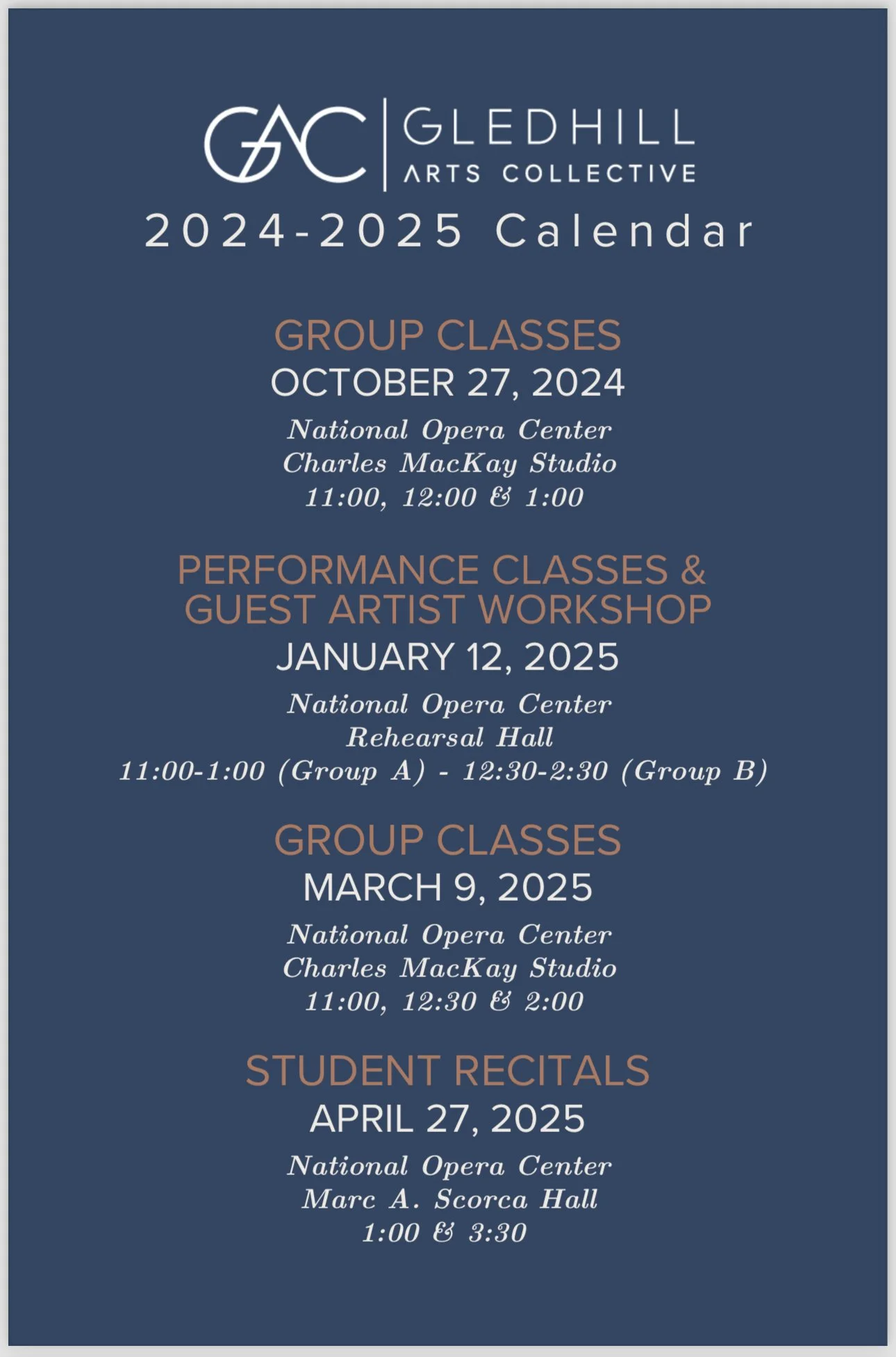
  2. 🎹October 27th Group Class

💚Masquerade by Linda Niamath (L. 4, Etude)

  1. Add pedal!

  2. 🎹October 27th Group Class

💚Ballade op 100 no 15 by JF Burgmüller (L. 4, Etude)

  1. Technical work on LH 16ths

  2. Expression and all markings in the music.

🖤The Avalanche op 45 no 2 by Stephen Heller (L. 4, Etude)

🖤Hanon No. 4 (start with this assignment every day)

  1. Rhythms:

    1. Long, Long, Short, Short

    2. Long, Short, Short, Long

    3. Short, Short, Long, Long

    4. Short, Long, Long, Short

  2. LEGATO: m.m. 100 two notes per tic. Your goal here it to play with a smooth, bump-free hand position.

🖤Four Star Sightreading and Ear Tests Level 4 (tests PDF)

  1. Resume in July

🖤Basic Rhythmic Training by Robert Starer No. 95 (slower)

  1. Prepare nos. 108 and 110

  2. Remember to clap the pulse for one measure before you begin.

  3. Tidy up the beat’s subdivisions. They’re almost clear! :)

  1. 💚Clowns by Kabalevsky (L. 3, C)

  2. 💚Arabesque op. 100 no. 2 by Johann Friedrich Burgmüller (1806-1874) (L. 3, Etude)

  3. 💚Left Alone by Joyce Grill (L. 3, Etude)

  4. 💚Sonatina in A Minor op. 94 no. 4 (L. 3, B)

  5. 💚💚Sonatina in C Major op. 36 no. 1 by Clementi (L. 3, B)

  6. 💚Musette in D Major BWV Anh. 126, attr. Johann Sebastian Bach (1685-1750) (L. 3, A)

  7. 💚Minuet in G Major, BWV Anh. 114 by Christian Petzold (1677-1733) (L. 3, A)

  8. 💚Minuet in G Minor, BWV Anh. 115 by Christian Petzold (1677-1733) (L. 3, A)

  9. 💚Etude in F Major, Op. 190, NMo. 27 by Köhler (L. 2, Etude)

  10. 💚Impertinence, HWV 494 George Frideric Handel (1685-1759) (L. 2, A)

  11. 💚I Spy by Melody Bober (L. 2, B)

  12. 💚💚Canon in A Minor by Cornelius Gurlitt (L. 2, C)

  13. 💜💚Etude in D Minor op. 82 No. 65 by Cornelius Gurlitt (L. 2, Etude)

  14. 💚Celebration by Anne Crosby-Gaudet (L. 1, Etude)

  15. 💚Mist by Clifford Poole (1916-2003) (L. 1, B)

  16. 💚Aria in F Major, BWV Anh. 131 by Johann Christian Bach (1735-1782) (L. 1, A)

  17. 💚Waltz Op. 39 No. 13 by Dmitri Kabalevsky (1904-1987) (L. 1, B)

Level 3 or Practical RCM assessment: May 29, 2024

  1. List A: Minuet in G Minor, BWV Anh. 115 by Christian Petzold (1677-1733)

  2. List B C Major

  3. List C: Clowns by Kabalevsky

  4. Etude 1: Left Alone

  5. Etude 2: Arabesque

Comment

September 17 & 24, 2024

September 17, 2024 Dustin Gledhill

November/December 2024 Session

Registration Deadline October 16, 2024

Practical Examinations November 30 - December 12, 2024

2024-2025 (7th Grade / RCMCP Level 4)

💛RCM Technical Requirements Level 4 in Newzik

  1. Chords: Start with solid and careful with broken that your 5th fingers don’t get stuck inside the black keys.

  2. Arpeggios: remember to lead with your wrists. It’s ok to let go of the notes for now.

    1. No need to use metronome this week for arpeggios.

  3. For each item:

    1. CLOSE LOUD @ m.m. 66 per tick (correct mistakes as you go)

    2. LEGATO @ m.m. 66 two notes per tick (focus is perfect form)

    3. SPEED-BUILD to m.m. 92

      1. Start at m.m. 76, 84, 88, then 92.

💚Celebrate Theory, Level 4, Unit 5

  1. Memorize the terms and signs on p. 9 of the PDF

💚Celebrate Theory, Level 4, Unit 6

Prepare 1-4

💚Sight-reading: Czerny Op. 599. Left off at No. 30

  1. BEFORE YOU BEGIN: FOCUS

    1. Keep a pulse no matter what and no matter how slow.

    2. Don’t fix mistakes in realtime.

    3. Let notes go if needed and look ahead to the next landing point.

  2. Paused:

    1. Bartok: Mikrocosmos, No. 61

    2. J.S. Bach, 6 Preludes, BWV 939-943, No. 4

  3. Finished:

    1. Bürgmuller, 25 Etudes, Op. 100

💚Clementi, Sonatina in G Major, Op. 36 No. 2: Movement III

  1. See all new pen / articulation.

  2. Take 4 measure chunks and start to perfect with NFPER

💜March in D Major BWV Anh. 122 C. P. E. Bach (L. 4, A)

  1. Continue to practice with m.m. 112 per quarter note.

    1. Once with metronome

    2. Once without metronome.

  2. Expression:

    1. Fix all the pink pen

🖤Diabelli, Op. 168 No. 1

🖤Air in B-flat Major HWV 471 by George Frideric Handel (L. 4, A)

💜Etude in E Minor op 65 no 42 by Carl Albert Loeschhorn (L. 4 Etude)

  1. Find moments that are “expressive” and ask yourself about what you can do with the tempo (gradually slowing down / speeding up) to make it more expressive - or to HELP the dynamics.

  2. Bring out the bass notes of the LH.

  3. Pedaling: don’t need to go all the way to the bottom of the keys.

💜Masquerade by Linda Niamath (L. 4, Etude)

  1. Play as written and focus on the expression now!

💜Ballade op 100 no 15 by JF Burgmüller (L. 4, Etude)

  1. Technical Practices: mm. 1-4

    1. Watch and practice with the video below.

    2. YOUTUBE LINK

  2. Review the rest of the piece.

🖤The Avalanche op 45 no 2 by Stephen Heller (L. 4, Etude)

🖤Hanon No. 4 (start with this assignment every day)

  1. Rhythms:

    1. Long, Long, Short, Short

    2. Long, Short, Short, Long

    3. Short, Short, Long, Long

    4. Short, Long, Long, Short

  2. LEGATO: m.m. 100 two notes per tic. Your goal here it to play with a smooth, bump-free hand position.

🖤Four Star Sightreading and Ear Tests Level 4 (tests PDF)

  1. Resume in July

🖤Basic Rhythmic Training by Robert Starer No. 95 (slower)

  1. Prepare nos. 108 and 110

  2. Remember to clap the pulse for one measure before you begin.

  3. Tidy up the beat’s subdivisions. They’re almost clear! :)

  1. 💚Clowns by Kabalevsky (L. 3, C)

  2. 💚Arabesque op. 100 no. 2 by Johann Friedrich Burgmüller (1806-1874) (L. 3, Etude)

  3. 💚Left Alone by Joyce Grill (L. 3, Etude)

  4. 💚Sonatina in A Minor op. 94 no. 4 (L. 3, B)

  5. 💚💚Sonatina in C Major op. 36 no. 1 by Clementi (L. 3, B)

  6. 💚Musette in D Major BWV Anh. 126, attr. Johann Sebastian Bach (1685-1750) (L. 3, A)

  7. 💚Minuet in G Major, BWV Anh. 114 by Christian Petzold (1677-1733) (L. 3, A)

  8. 💚Minuet in G Minor, BWV Anh. 115 by Christian Petzold (1677-1733) (L. 3, A)

  9. 💚Etude in F Major, Op. 190, NMo. 27 by Köhler (L. 2, Etude)

  10. 💚Impertinence, HWV 494 George Frideric Handel (1685-1759) (L. 2, A)

  11. 💚I Spy by Melody Bober (L. 2, B)

  12. 💜💚Canon in A Minor by Cornelius Gurlitt (L. 2, C)

  13. 💚Etude in D Minor op. 82 No. 65 by Cornelius Gurlitt (L. 2, Etude)

  14. 💚Celebration by Anne Crosby-Gaudet (L. 1, Etude)

  15. 💚Mist by Clifford Poole (1916-2003) (L. 1, B)

  16. 💚Aria in F Major, BWV Anh. 131 by Johann Christian Bach (1735-1782) (L. 1, A)

  17. 💚Waltz Op. 39 No. 13 by Dmitri Kabalevsky (1904-1987) (L. 1, B)

Level 3 or Practical RCM assessment: May 29, 2024

  1. List A: Minuet in G Minor, BWV Anh. 115 by Christian Petzold (1677-1733)

  2. List B C Major

  3. List C: Clowns by Kabalevsky

  4. Etude 1: Left Alone

  5. Etude 2: Arabesque

3 Comments

September 10, 2024

September 10, 2024 Dustin Gledhill

November/December 2024 Session

Registration Deadline October 16, 2024

Practical Examinations November 30 - December 12, 2024

2024-2025 (7th Grade / RCMCP Level 4)

💚RCM Technical Requirements Level 4 in Newzik

  1. Chords: Start with solid and careful with broken that your 5th fingers don’t get stuck inside the black keys.

  2. Arpeggios: remember to lead with your wrists. It’s ok to let go of the notes for now.

    1. No need to use metronome this week for arpeggios.

  3. For each item:

    1. CLOSE LOUD @ m.m. 66 per tick (correct mistakes as you go)

    2. LEGATO @ m.m. 66 two notes per tick (focus is perfect form)

    3. SPEED-BUILD to m.m. 92

      1. Start at m.m. 76, 84, 88, then 92.

💚Celebrate Theory, Level 4, Unit 5

  1. Complete the Fugue section of page 5

  2. I texted your mom and dad a Spotify link.

💚Sight-reading: Czerny Op. 599. Left off at No. 18

  1. BEFORE YOU BEGIN: FOCUS

    1. Keep a pulse no matter what and no matter how slow.

    2. Don’t fix mistakes in realtime.

    3. Let notes go if needed and look ahead to the next landing point.

  2. Paused:

    1. Bartok: Mikrocosmos, No. 61

    2. J.S. Bach, 6 Preludes, BWV 939-943, No. 4

  3. Finished:

    1. Bürgmuller, 25 Etudes, Op. 100

💜List B choose between Diabelli and Clementi

💜March in D Major BWV Anh. 122 C. P. E. Bach (L. 4, A)

  1. Continue to practice with m.m. 112 per quarter note.

    1. Once with metronome

    2. Once without metronome.

  2. Expression:

    1. Please work for contrast in sound. More dynamics are needed.

    2. LH is overall a bit too loud.

    3. Careful of accents when trying to apply crescendo. It’s easy to create a “poking sound” when trying to play loudly.

  3. Memorize

🖤Air in B-flat Major HWV 471 by George Frideric Handel (L. 4, A)

💜RCMCP List B Piece?

  1. Choose with Dustin

💚Etude in E Minor op 65 no 42 by Carl Albert Loeschhorn (L. 4 Etude)

  1. Find moments that are “expressive” and ask yourself about what you can do with the tempo (gradually slowing down / speeding up) to make it more expressive - or to HELP the dynamics.

  2. Bring out the bass notes of the LH.

  3. Pedaling: don’t need to go all the way to the bottom of the keys.

💚Masquerade by Linda Niamath (L. 4, Etude)

  1. Play as written and focus on the expression now!

💜Ballade op 100 no 15 by JF Burgmüller (L. 4, Etude)

  1. Finish learning the piece!

🖤The Avalanche op 45 no 2 by Stephen Heller (L. 4, Etude)

🖤Hanon No. 4 (start with this assignment every day)

  1. Rhythms:

    1. Long, Long, Short, Short

    2. Long, Short, Short, Long

    3. Short, Short, Long, Long

    4. Short, Long, Long, Short

  2. LEGATO: m.m. 100 two notes per tic. Your goal here it to play with a smooth, bump-free hand position.

🖤Four Star Sightreading and Ear Tests Level 4 (tests PDF)

  1. Resume in July

🖤Basic Rhythmic Training by Robert Starer No. 95 (slower)

  1. Prepare nos. 108 and 110

  2. Remember to clap the pulse for one measure before you begin.

  3. Tidy up the beat’s subdivisions. They’re almost clear! :)

  1. 💚Clowns by Kabalevsky (L. 3, C)

  2. 💚Arabesque op. 100 no. 2 by Johann Friedrich Burgmüller (1806-1874) (L. 3, Etude)

  3. 💚Left Alone by Joyce Grill (L. 3, Etude)

  4. 💚Sonatina in A Minor op. 94 no. 4 (L. 3, B)

  5. 💚💚Sonatina in C Major op. 36 no. 1 by Clementi (L. 3, B)

  6. 💚Musette in D Major BWV Anh. 126, attr. Johann Sebastian Bach (1685-1750) (L. 3, A)

  7. 💚Minuet in G Major, BWV Anh. 114 by Christian Petzold (1677-1733) (L. 3, A)

  8. 💚Minuet in G Minor, BWV Anh. 115 by Christian Petzold (1677-1733) (L. 3, A)

  9. 💚Etude in F Major, Op. 190, NMo. 27 by Köhler (L. 2, Etude)

  10. 💚Impertinence, HWV 494 George Frideric Handel (1685-1759) (L. 2, A)

  11. 💚I Spy by Melody Bober (L. 2, B)

  12. 💜💚Canon in A Minor by Cornelius Gurlitt (L. 2, C)

  13. 💚Etude in D Minor op. 82 No. 65 by Cornelius Gurlitt (L. 2, Etude)

  14. 💚Celebration by Anne Crosby-Gaudet (L. 1, Etude)

  15. 💚Mist by Clifford Poole (1916-2003) (L. 1, B)

  16. 💚Aria in F Major, BWV Anh. 131 by Johann Christian Bach (1735-1782) (L. 1, A)

  17. 💚Waltz Op. 39 No. 13 by Dmitri Kabalevsky (1904-1987) (L. 1, B)

Level 3 or Practical RCM assessment: May 29, 2024

  1. List A: Minuet in G Minor, BWV Anh. 115 by Christian Petzold (1677-1733)

  2. List B C Major

  3. List C: Clowns by Kabalevsky

  4. Etude 1: Left Alone

  5. Etude 2: Arabesque

Comment

September 3, 2024

September 3, 2024 Dustin Gledhill

November/December 2024 Session

Registration Deadline October 16, 2024

Practical Examinations November 30 - December 12, 2024

2024-2025 (7th Grade / RCMCP Level 4)

💜RCM Technical Requirements Level 4 in Newzik

  1. Chords: Start with solid and careful with broken that your 5th fingers don’t get stuck inside the black keys.

  2. Arpeggios: remember to lead with your wrists. It’s ok to let go of the notes for now.

    1. No need to use metronome this week for arpeggios.

  3. For each item:

    1. CLOSE LOUD @ m.m. 66 per tick (correct mistakes as you go)

    2. LEGATO @ m.m. 66 two notes per tick (focus is perfect form)

    3. SPEED-BUILD to m.m. 92

      1. Start at m.m. 76, 84, 88, then 92.

💜Celebrate Theory, Level 4, Unit 5

  1. PIck up from page 5 with Dustin next lesson.

💜Sight-reading: Czerny Op. 599. Left off at No. 18

  1. BEFORE YOU BEGIN: FOCUS

    1. Keep a pulse no matter what and no matter how slow.

    2. Don’t fix mistakes in realtime.

    3. Let notes go if needed and look ahead to the next landing point.

  2. Paused:

    1. Bartok: Mikrocosmos, No. 61

    2. J.S. Bach, 6 Preludes, BWV 939-943, No. 4

  3. Finished:

    1. Bürgmuller, 25 Etudes, Op. 100

💚March in D Major BWV Anh. 122 C. P. E. Bach (L. 4, A)

  1. Continue to practice with m.m. 112 per quarter note.

    1. Once with metronome

    2. Once without metronome.

  2. Expression:

    1. Please work for contrast in sound. More dynamics are needed.

    2. LH is overall a bit too loud.

    3. Careful of accents when trying to apply crescendo. It’s easy to create a “poking sound” when trying to play loudly.

  3. Memorize

💚Etude in E Minor op 65 no 42 by Carl Albert Loeschhorn (L. 4 Etude)

  1. Find moments that are “expressive” and ask yourself about what you can do with the tempo (gradually slowing down / speeding up) to make it more expressive - or to HELP the dynamics.

  2. Bring out the bass notes of the LH.

  3. Pedaling: don’t need to go all the way to the bottom of the keys.

💚Masquerade by Linda Niamath (L. 4, Etude)

  1. Play as written and focus on the expression now!

💜Ballade op 100 no 15 by JF Burgmüller (L. 4, Etude)

  1. Finish learning the piece!

🖤The Avalanche op 45 no 2 by Stephen Heller (L. 4, Etude)

🖤Hanon No. 4 (start with this assignment every day)

  1. Rhythms:

    1. Long, Long, Short, Short

    2. Long, Short, Short, Long

    3. Short, Short, Long, Long

    4. Short, Long, Long, Short

  2. LEGATO: m.m. 100 two notes per tic. Your goal here it to play with a smooth, bump-free hand position.

🖤Four Star Sightreading and Ear Tests Level 4 (tests PDF)

  1. Resume in July

🖤Basic Rhythmic Training by Robert Starer No. 95 (slower)

  1. Prepare nos. 108 and 110

  2. Remember to clap the pulse for one measure before you begin.

  3. Tidy up the beat’s subdivisions. They’re almost clear! :)

  1. 💚Clowns by Kabalevsky (L. 3, C)

  2. 💚Arabesque op. 100 no. 2 by Johann Friedrich Burgmüller (1806-1874) (L. 3, Etude)

  3. 💚Left Alone by Joyce Grill (L. 3, Etude)

  4. 💚Sonatina in A Minor op. 94 no. 4 (L. 3, B)

  5. 💚💚Sonatina in C Major op. 36 no. 1 by Clementi (L. 3, B)

  6. 💚Musette in D Major BWV Anh. 126, attr. Johann Sebastian Bach (1685-1750) (L. 3, A)

  7. 💚Minuet in G Major, BWV Anh. 114 by Christian Petzold (1677-1733) (L. 3, A)

  8. 💚Minuet in G Minor, BWV Anh. 115 by Christian Petzold (1677-1733) (L. 3, A)

  9. 💚Etude in F Major, Op. 190, NMo. 27 by Köhler (L. 2, Etude)

  10. 💚Impertinence, HWV 494 George Frideric Handel (1685-1759) (L. 2, A)

  11. 💚I Spy by Melody Bober (L. 2, B)

  12. 💜💚Canon in A Minor by Cornelius Gurlitt (L. 2, C)

  13. 💚Etude in D Minor op. 82 No. 65 by Cornelius Gurlitt (L. 2, Etude)

  14. 💚Celebration by Anne Crosby-Gaudet (L. 1, Etude)

  15. 💚Mist by Clifford Poole (1916-2003) (L. 1, B)

  16. 💚Aria in F Major, BWV Anh. 131 by Johann Christian Bach (1735-1782) (L. 1, A)

  17. 💚Waltz Op. 39 No. 13 by Dmitri Kabalevsky (1904-1987) (L. 1, B)

Level 3 or Practical RCM assessment: May 29, 2024

  1. List A: Minuet in G Minor, BWV Anh. 115 by Christian Petzold (1677-1733)

  2. List B C Major

  3. List C: Clowns by Kabalevsky

  4. Etude 1: Left Alone

  5. Etude 2: Arabesque

Comment

August 26, 2024 (60 min)

August 26, 2024 Dustin Gledhill

RCMCP Scores:

Level 1: Score of 84

Level 2: Score of 96

Level 3: Score of 92

💚RCM Technical Requirements Level 4 in Newzik

  1. Chords: Start with solid and careful with broken that your 5th fingers don’t get stuck inside the black keys.

  2. Arpeggios: remember to lead with your wrists. It’s ok to let go of the notes for now.

    1. No need to use metronome this week for arpeggios.

  3. For each item:

    1. CLOSE LOUD @ m.m. 66 per tick (correct mistakes as you go)

    2. LEGATO @ m.m. 66 two notes per tick (focus is perfect form)

    3. SPEED-BUILD to m.m. 92

      1. Start at m.m. 76, 84, 88, then 92.

💚Celebrate Theory, Level 4, Unit 5

  1. PIck up from page 5 with Dustin next lesson.

💚Sight-reading: Czerny Op. 599. Left off at No. 18

  1. BEFORE YOU BEGIN: FOCUS

    1. Keep a pulse no matter what and no matter how slow.

    2. Don’t fix mistakes in realtime.

    3. Let notes go if needed and look ahead to the next landing point.

  2. Paused:

    1. Bartok: Mikrocosmos, No. 61

    2. J.S. Bach, 6 Preludes, BWV 939-943, No. 4

  3. Finished:

    1. Bürgmuller, 25 Etudes, Op. 100

💚March in D Major BWV Anh. 122 C. P. E. Bach (L. 4, A)

  1. ❤️Practice with m.m. 112 per quarter note.

  2. Don’t rush in the last system.

  3. Memorize

💚Etude in E Minor op 65 no 42 by Carl Albert Loeschhorn (L. 4 Etude)

  1. Strive for even RH triplets.

  2. ❤️Listen to the recording for expression.

  3. Bring out the bass notes of the LH.

  4. Pedaling: don’t need to go all the way to the bottom of the keys.

💚Masquerade by Linda Niamath (L. 4, Etude)

  1. Play from beginning to end with blocked chords and all the other notes as written.

  2. See the new green pen.

💚Ballade op 100 no 15 by JF Burgmüller (L. 4, Etude)

  1. Learn systems 1-4. Hands alone, then together.

  2. Move on to page 2

🖤The Avalanche op 45 no 2 by Stephen Heller (L. 4, Etude)

🖤Hanon No. 4 (start with this assignment every day)

  1. Rhythms:

    1. Long, Long, Short, Short

    2. Long, Short, Short, Long

    3. Short, Short, Long, Long

    4. Short, Long, Long, Short

  2. LEGATO: m.m. 100 two notes per tic. Your goal here it to play with a smooth, bump-free hand position.

🖤Four Star Sightreading and Ear Tests Level 4 (tests PDF)

  1. Resume in July

🖤Basic Rhythmic Training by Robert Starer No. 95 (slower)

  1. Prepare nos. 108 and 110

  2. Remember to clap the pulse for one measure before you begin.

  3. Tidy up the beat’s subdivisions. They’re almost clear! :)

  1. 💚Clowns by Kabalevsky (L. 3, C)

  2. 💚Arabesque op. 100 no. 2 by Johann Friedrich Burgmüller (1806-1874) (L. 3, Etude)

  3. 💚Left Alone by Joyce Grill (L. 3, Etude)

  4. 💚Sonatina in A Minor op. 94 no. 4 (L. 3, B)

  5. 💚💚Sonatina in C Major op. 36 no. 1 by Clementi (L. 3, B)

  6. 💚Musette in D Major BWV Anh. 126, attr. Johann Sebastian Bach (1685-1750) (L. 3, A)

  7. 💚Minuet in G Major, BWV Anh. 114 by Christian Petzold (1677-1733) (L. 3, A)

  8. 💚Minuet in G Minor, BWV Anh. 115 by Christian Petzold (1677-1733) (L. 3, A)

  9. 💚Etude in F Major, Op. 190, NMo. 27 by Köhler (L. 2, Etude)

  10. 💚Impertinence, HWV 494 George Frideric Handel (1685-1759) (L. 2, A)

  11. 💚I Spy by Melody Bober (L. 2, B)

  12. 💜💚Canon in A Minor by Cornelius Gurlitt (L. 2, C)

  13. 💚Etude in D Minor op. 82 No. 65 by Cornelius Gurlitt (L. 2, Etude)

  14. 💚Celebration by Anne Crosby-Gaudet (L. 1, Etude)

  15. 💚Mist by Clifford Poole (1916-2003) (L. 1, B)

  16. 💚Aria in F Major, BWV Anh. 131 by Johann Christian Bach (1735-1782) (L. 1, A)

  17. 💚Waltz Op. 39 No. 13 by Dmitri Kabalevsky (1904-1987) (L. 1, B)

Level 3 or Practical RCM assessment: May 29, 2024

  1. List A: Minuet in G Minor, BWV Anh. 115 by Christian Petzold (1677-1733)

  2. List B C Major

  3. List C: Clowns by Kabalevsky

  4. Etude 1: Left Alone

  5. Etude 2: Arabesque

Comment

August 22, 2024

August 22, 2024 Dustin Gledhill

RCMCP Scores:

Level 1: Score of 84

Level 2: Score of 96

Level 3: Score of 92

💚RCM Technical Requirements Level 4 in Newzik

  1. Chords: Start with solid and careful with broken that your 5th fingers don’t get stuck inside the black keys.

  2. Arpeggios: remember to lead with your wrists. It’s ok to let go of the notes for now.

    1. No need to use metronome this week for arpeggios.

  3. For each item:

    1. CLOSE LOUD @ m.m. 66 per tick (correct mistakes as you go)

    2. LEGATO @ m.m. 66 two notes per tick (focus is perfect form)

    3. SPEED-BUILD to m.m. 92

      1. Start at m.m. 76, 84, 88, then 92.

💚Celebrate Theory, Level 4, Unit 5

  1. Do 4-6. Indicate what you know and we can do the rest together.

  2. Link to Young Persons’ Guide to the Orchestra: https://youtu.be/4vbvhU22uAM?si=98SPGEIQZmf5jP44

💚Sight-reading: Czerny Op. 599. Left off at No. 16

  1. BEFORE YOU BEGIN: FOCUS

    1. Keep a pulse no matter what and no matter how slow.

    2. Don’t fix mistakes in realtime.

    3. Let notes go if needed and look ahead to the next landing point.

  2. Paused:

    1. Bartok: Mikrocosmos, No. 61

    2. J.S. Bach, 6 Preludes, BWV 939-943, No. 4

  3. Finished:

    1. Bürgmuller, 25 Etudes, Op. 100

💚March in D Major BWV Anh. 122 C. P. E. Bach (L. 4, A)

  1. see the markings in your music.

  2. ❤️Don’t rush in the last system.

  3. Memorize

💚Etude in E Minor op 65 no 42 by Carl Albert Loeschhorn (L. 4 Etude)

  1. Strive for even RH triplets.

  2. ❤️Listen to the recording for expression.

  3. Bring out the bass notes of the LH.

  4. Pedaling: don’t need to go all the way to the bottom of the keys.

💚Masquerade by Linda Niamath (L. 4, Etude)

  1. Play from beginning to end with blocked chords and all the other notes as written.

  2. See the new green pen.

💚Ballade op 100 no 15 by JF Burgmüller (L. 4, Etude)

  1. Learn systems 1-4. Hands alone, then together.

🖤The Avalanche op 45 no 2 by Stephen Heller (L. 4, Etude)

🖤Hanon No. 4 (start with this assignment every day)

  1. Rhythms:

    1. Long, Long, Short, Short

    2. Long, Short, Short, Long

    3. Short, Short, Long, Long

    4. Short, Long, Long, Short

  2. LEGATO: m.m. 100 two notes per tic. Your goal here it to play with a smooth, bump-free hand position.

🖤Four Star Sightreading and Ear Tests Level 4 (tests PDF)

  1. Resume in July

🖤Basic Rhythmic Training by Robert Starer No. 95 (slower)

  1. Prepare nos. 108 and 110

  2. Remember to clap the pulse for one measure before you begin.

  3. Tidy up the beat’s subdivisions. They’re almost clear! :)

  1. 💚Clowns by Kabalevsky (L. 3, C)

  2. 💚Arabesque op. 100 no. 2 by Johann Friedrich Burgmüller (1806-1874) (L. 3, Etude)

  3. 💚Left Alone by Joyce Grill (L. 3, Etude)

  4. 💚Sonatina in A Minor op. 94 no. 4 (L. 3, B)

  5. 💚💚Sonatina in C Major op. 36 no. 1 by Clementi (L. 3, B)

  6. 💚Musette in D Major BWV Anh. 126, attr. Johann Sebastian Bach (1685-1750) (L. 3, A)

  7. 💚Minuet in G Major, BWV Anh. 114 by Christian Petzold (1677-1733) (L. 3, A)

  8. 💚Minuet in G Minor, BWV Anh. 115 by Christian Petzold (1677-1733) (L. 3, A)

  9. 💚Etude in F Major, Op. 190, NMo. 27 by Köhler (L. 2, Etude)

  10. 💚Impertinence, HWV 494 George Frideric Handel (1685-1759) (L. 2, A)

  11. 💚I Spy by Melody Bober (L. 2, B)

  12. 💜💚Canon in A Minor by Cornelius Gurlitt (L. 2, C)

  13. 💚Etude in D Minor op. 82 No. 65 by Cornelius Gurlitt (L. 2, Etude)

  14. 💚Celebration by Anne Crosby-Gaudet (L. 1, Etude)

  15. 💚Mist by Clifford Poole (1916-2003) (L. 1, B)

  16. 💚Aria in F Major, BWV Anh. 131 by Johann Christian Bach (1735-1782) (L. 1, A)

  17. 💚Waltz Op. 39 No. 13 by Dmitri Kabalevsky (1904-1987) (L. 1, B)

Level 3 or Practical RCM assessment: May 29, 2024

  1. List A: Minuet in G Minor, BWV Anh. 115 by Christian Petzold (1677-1733)

  2. List B C Major

  3. List C: Clowns by Kabalevsky

  4. Etude 1: Left Alone

  5. Etude 2: Arabesque

Comment

August 16, 2024

August 16, 2024 Dustin Gledhill

RCMCP Scores:

Level 1: Score of 84

Level 2: Score of 96

Level 3: Score of 92

💚RCM Technical Requirements Level 4 in Newzik

  1. Scales: E-flat Major - redo with the correct RH fingering (4 on B-flat)

  2. Arpeggios: remember to lead with your wrists. It’s ok to let go of the notes for now.

    1. No need to use metronome this week for arpeggios.

  3. For each item:

    1. CLOSE LOUD @ m.m. 66 per tick (correct mistakes as you go)

    2. LEGATO @ m.m. 66 two notes per tick (focus is perfect form)

    3. SPEED-BUILD to m.m. 92

      1. Start at m.m. 76, 84, 88, then 92.

💚Celebrate Theory, Level 4, Unit 5

  1. Complete pages 1-5

💛Sight-reading: Czerny Op. 599. Left off at No. 12

  1. BEFORE YOU BEGIN: FOCUS

    1. Keep a pulse no matter what and no matter how slow.

    2. Don’t fix mistakes in realtime.

    3. Let notes go if needed and look ahead to the next landing point.

  2. Paused:

    1. Bartok: Mikrocosmos, No. 61

    2. J.S. Bach, 6 Preludes, BWV 939-943, No. 4

  3. Finished:

    1. Bürgmuller, 25 Etudes, Op. 100

💚March in D Major BWV Anh. 122 C. P. E. Bach (L. 4, A)

  1. Your goal this week is a March-like character. Practice with the metronome. No faster than 104

💚Etude in E Minor op 65 no 42 by Carl Albert Loeschhorn (L. 4 Etude)

  1. Fix pedaling.

  2. Listen to the recording for expression.

  3. Bring out the bass notes of the LH.

💚Masquerade by Linda Niamath (L. 4, Etude)

  1. Block the LH chords.

  2. RH arpeggios should be according to how we practiced them at the lesson.

  3. Learn as much as you can. Listen to the recording.

🖤Ballade op 100 no 15 by JF Burgmüller (L. 4, Etude)

🖤The Avalanche op 45 no 2 by Stephen Heller (L. 4, Etude)

🖤Hanon No. 4 (start with this assignment every day)

  1. Rhythms:

    1. Long, Long, Short, Short

    2. Long, Short, Short, Long

    3. Short, Short, Long, Long

    4. Short, Long, Long, Short

  2. LEGATO: m.m. 100 two notes per tic. Your goal here it to play with a smooth, bump-free hand position.

🖤Four Star Sightreading and Ear Tests Level 4 (tests PDF)

  1. Resume in July

🖤Basic Rhythmic Training by Robert Starer No. 95 (slower)

  1. Prepare nos. 108 and 110

  2. Remember to clap the pulse for one measure before you begin.

  3. Tidy up the beat’s subdivisions. They’re almost clear! :)

  1. 💚Clowns by Kabalevsky (L. 3, C)

  2. 💚Arabesque op. 100 no. 2 by Johann Friedrich Burgmüller (1806-1874) (L. 3, Etude)

  3. 💚Left Alone by Joyce Grill (L. 3, Etude)

  4. 💚Sonatina in A Minor op. 94 no. 4 (L. 3, B)

  5. 💚💚Sonatina in C Major op. 36 no. 1 by Clementi (L. 3, B)

  6. 💚Musette in D Major BWV Anh. 126, attr. Johann Sebastian Bach (1685-1750) (L. 3, A)

  7. 💚Minuet in G Major, BWV Anh. 114 by Christian Petzold (1677-1733) (L. 3, A)

  8. 💚Minuet in G Minor, BWV Anh. 115 by Christian Petzold (1677-1733) (L. 3, A)

  9. 💚Etude in F Major, Op. 190, NMo. 27 by Köhler (L. 2, Etude)

  10. 💚Impertinence, HWV 494 George Frideric Handel (1685-1759) (L. 2, A)

  11. 💚I Spy by Melody Bober (L. 2, B)

  12. 💜💚Canon in A Minor by Cornelius Gurlitt (L. 2, C)

  13. 💚Etude in D Minor op. 82 No. 65 by Cornelius Gurlitt (L. 2, Etude)

  14. 💚Celebration by Anne Crosby-Gaudet (L. 1, Etude)

  15. 💚Mist by Clifford Poole (1916-2003) (L. 1, B)

  16. 💚Aria in F Major, BWV Anh. 131 by Johann Christian Bach (1735-1782) (L. 1, A)

  17. 💚Waltz Op. 39 No. 13 by Dmitri Kabalevsky (1904-1987) (L. 1, B)

Level 3 or Practical RCM assessment: May 29, 2024

  1. List A: Minuet in G Minor, BWV Anh. 115 by Christian Petzold (1677-1733)

  2. List B C Major

  3. List C: Clowns by Kabalevsky

  4. Etude 1: Left Alone

  5. Etude 2: Arabesque

4 Comments

August 8, 2024 (45 min)

August 8, 2024 Dustin Gledhill

RCMCP Scores:

Level 1: Score of 84

Level 2: Score of 96

Level 3: Score of 92

💚RCM Technical Requirements Level 4 in Newzik

  1. For each item:

    1. Make sure fingers are curved and wrist doesn’t drop on thumb.

    2. CLOSE LOUD @ m.m. 66 per tick (correct mistakes as you go)

    3. STACCATO @ m.m. 66 two notes per tick (tap the notes using a supple wrist)

    4. LEGATO @ m.m. 66 two notes per tick (focus is perfect form)

    5. SPEED-BUILD to m.m. 92

      1. Start at m.m. 76, 84, 88, then 92.

  2. Time yourself to see how long it takes.

💚Celebrate Theory, Level 4, Unit 4

  1. Complete pages 7-14

💚Sight-reading: Czerny Op. 599. Left off at No. 12

  1. BEFORE YOU BEGIN: FOCUS

    1. Keep a pulse no matter what and no matter how slow.

    2. Don’t fix mistakes in realtime.

    3. Let notes go if needed and look ahead to the next landing point.

  2. Paused:

    1. Bartok: Mikrocosmos, No. 61

    2. J.S. Bach, 6 Preludes, BWV 939-943, No. 4

  3. Finished:

    1. Bürgmuller, 25 Etudes, Op. 100

💚March in D Major BWV Anh. 122 C. P. E. Bach (L. 4, A)

  1. Practice starting from random measures.

💚Etude in E Minor op 65 no 42 by Carl Albert Loeschhorn (L. 4 Etude)

  1. One measure at a time, legato, as written.

  2. Work up to m.m. 76 and focus on legato sound between the two hands.

🖤Masquerade by Linda Niamath (L. 4, Etude)

Start with Dustin next week.

🖤Ballade op 100 no 15 by JF Burgmüller (L. 4, Etude)

🖤The Avalanche op 45 no 2 by Stephen Heller (L. 4, Etude)

🖤Hanon No. 4 (start with this assignment every day)

  1. Rhythms:

    1. Long, Long, Short, Short

    2. Long, Short, Short, Long

    3. Short, Short, Long, Long

    4. Short, Long, Long, Short

  2. LEGATO: m.m. 100 two notes per tic. Your goal here it to play with a smooth, bump-free hand position.

🖤Four Star Sightreading and Ear Tests Level 4 (tests PDF)

  1. Resume in July

🖤Basic Rhythmic Training by Robert Starer No. 95 (slower)

  1. Prepare nos. 108 and 110

  2. Remember to clap the pulse for one measure before you begin.

  3. Tidy up the beat’s subdivisions. They’re almost clear! :)

  1. 💚Clowns by Kabalevsky (L. 3, C)

  2. 💚Arabesque op. 100 no. 2 by Johann Friedrich Burgmüller (1806-1874) (L. 3, Etude)

  3. 💚Left Alone by Joyce Grill (L. 3, Etude)

  4. 💚Sonatina in A Minor op. 94 no. 4 (L. 3, B)

  5. 💚💚Sonatina in C Major op. 36 no. 1 by Clementi (L. 3, B)

  6. 💚Musette in D Major BWV Anh. 126, attr. Johann Sebastian Bach (1685-1750) (L. 3, A)

  7. 💚Minuet in G Major, BWV Anh. 114 by Christian Petzold (1677-1733) (L. 3, A)

  8. 💚Minuet in G Minor, BWV Anh. 115 by Christian Petzold (1677-1733) (L. 3, A)

  9. 💚Etude in F Major, Op. 190, NMo. 27 by Köhler (L. 2, Etude)

  10. 💚Impertinence, HWV 494 George Frideric Handel (1685-1759) (L. 2, A)

  11. 💚I Spy by Melody Bober (L. 2, B)

  12. 💜💚Canon in A Minor by Cornelius Gurlitt (L. 2, C)

  13. 💚Etude in D Minor op. 82 No. 65 by Cornelius Gurlitt (L. 2, Etude)

  14. 💚Celebration by Anne Crosby-Gaudet (L. 1, Etude)

  15. 💚Mist by Clifford Poole (1916-2003) (L. 1, B)

  16. 💚Aria in F Major, BWV Anh. 131 by Johann Christian Bach (1735-1782) (L. 1, A)

  17. 💚Waltz Op. 39 No. 13 by Dmitri Kabalevsky (1904-1987) (L. 1, B)

Level 3 or Practical RCM assessment: May 29, 2024

  1. List A: Minuet in G Minor, BWV Anh. 115 by Christian Petzold (1677-1733)

  2. List B C Major

  3. List C: Clowns by Kabalevsky

  4. Etude 1: Left Alone

  5. Etude 2: Arabesque

Comment

August 4, 2024 (30 min)

August 4, 2024 Dustin Gledhill

RCMCP Scores:

Level 1: Score of 84

Level 2: Score of 96

Level 3: Score of 92

💚RCM Technical Requirements Level 4 in Newzik

  1. For each item:

    1. Make sure fingers are curved and wrist doesn’t drop on thumb.

    2. CLOSE LOUD @ m.m. 66 per tick (correct mistakes as you go)

    3. STACCATO @ m.m. 66 two notes per tick (tap the notes using a supple wrist)

    4. LEGATO @ m.m. 66 two notes per tick (focus is perfect form)

    5. SPEED-BUILD to m.m. 92

      1. Start at m.m. 76, 84, 88, then 92.

  2. Time yourself to see how long it takes.

💚Celebrate Theory, Level 4, Unit 4

  1. Study and complete the unit by our next lesson (after July 24th). This can be negotiable if MSM homework is too much.

💚Sight-reading: Czerny Op. 599. Left off at No. 7

  1. BEFORE YOU BEGIN: FOCUS

    1. Keep a pulse no matter what and no matter how slow.

    2. Don’t fix mistakes in realtime.

    3. Let notes go if needed and look ahead to the next landing point.

  2. Paused:

    1. Bartok: Mikrocosmos, No. 61

    2. J.S. Bach, 6 Preludes, BWV 939-943, No. 4

  3. Finished:

    1. Bürgmuller, 25 Etudes, Op. 100

💚March in D Major BWV Anh. 122 C. P. E. Bach (L. 4, A)

  1. The “peaks” of your crescendo markings should be a bit softer - less “pointed.”

  2. Measure 21, hold the quarter note for its full value.

  3. No faster than m.m. 84-96.

💚Etude in E Minor op 65 no 42 by Carl Albert Loeschhorn (L. 4 Etude)

  1. One measure at a time, legato, as written.

  2. Work up to m.m. 76 and focus on legato sound between the two hands.

🖤Masquerade by Linda Niamath (L. 4, Etude)

🖤Ballade op 100 no 15 by JF Burgmüller (L. 4, Etude)

🖤The Avalanche op 45 no 2 by Stephen Heller (L. 4, Etude)

🖤Hanon No. 4 (start with this assignment every day)

  1. Rhythms:

    1. Long, Long, Short, Short

    2. Long, Short, Short, Long

    3. Short, Short, Long, Long

    4. Short, Long, Long, Short

  2. LEGATO: m.m. 100 two notes per tic. Your goal here it to play with a smooth, bump-free hand position.

🖤Four Star Sightreading and Ear Tests Level 4 (tests PDF)

  1. Resume in July

🖤Basic Rhythmic Training by Robert Starer No. 95 (slower)

  1. Prepare nos. 108 and 110

  2. Remember to clap the pulse for one measure before you begin.

  3. Tidy up the beat’s subdivisions. They’re almost clear! :)

  1. 💚Clowns by Kabalevsky (L. 3, C)

  2. 💚Arabesque op. 100 no. 2 by Johann Friedrich Burgmüller (1806-1874) (L. 3, Etude)

  3. 💚Left Alone by Joyce Grill (L. 3, Etude)

  4. 💚Sonatina in A Minor op. 94 no. 4 (L. 3, B)

  5. 💚💚Sonatina in C Major op. 36 no. 1 by Clementi (L. 3, B)

  6. 💚Musette in D Major BWV Anh. 126, attr. Johann Sebastian Bach (1685-1750) (L. 3, A)

  7. 💚Minuet in G Major, BWV Anh. 114 by Christian Petzold (1677-1733) (L. 3, A)

  8. 💚Minuet in G Minor, BWV Anh. 115 by Christian Petzold (1677-1733) (L. 3, A)

  9. 💚Etude in F Major, Op. 190, NMo. 27 by Köhler (L. 2, Etude)

  10. 💚Impertinence, HWV 494 George Frideric Handel (1685-1759) (L. 2, A)

  11. 💚I Spy by Melody Bober (L. 2, B)

  12. 💜💚Canon in A Minor by Cornelius Gurlitt (L. 2, C)

  13. 💚Etude in D Minor op. 82 No. 65 by Cornelius Gurlitt (L. 2, Etude)

  14. 💚Celebration by Anne Crosby-Gaudet (L. 1, Etude)

  15. 💚Mist by Clifford Poole (1916-2003) (L. 1, B)

  16. 💚Aria in F Major, BWV Anh. 131 by Johann Christian Bach (1735-1782) (L. 1, A)

  17. 💚Waltz Op. 39 No. 13 by Dmitri Kabalevsky (1904-1987) (L. 1, B)

Level 3 or Practical RCM assessment: May 29, 2024

  1. List A: Minuet in G Minor, BWV Anh. 115 by Christian Petzold (1677-1733)

  2. List B C Major

  3. List C: Clowns by Kabalevsky

  4. Etude 1: Left Alone

  5. Etude 2: Arabesque

Comment

July 10, 2024 (60 min)

July 10, 2024 Dustin Gledhill

RCMCP Scores:

Level 1: Score of 84

Level 2: Score of 96

Level 3: Score of 92

💚RCM Technical Requirements Level 4 in Newzik

  1. For each item:

    1. Make sure fingers are curved and wrist doesn’t drop on thumb.

    2. CLOSE LOUD @ m.m. 66 per tick (correct mistakes as you go)

    3. STACCATO @ m.m. 66 two notes per tick (tap the notes using a supple wrist)

    4. LEGATO @ m.m. 66 two notes per tick (focus is perfect form)

    5. SPEED-BUILD to m.m. 92

      1. Start at m.m. 76, 84, 88, then 92.

  2. Time yourself to see how long it takes.

💚Celebrate Theory, Level 4, Unit 4

  1. Study and complete the unit by our next lesson (after July 24th). This can be negotiable if MSM homework is too much.

💚Sight-reading: Czerny Op. 599. Left off at No. 7

  1. BEFORE YOU BEGIN: FOCUS

    1. Keep a pulse no matter what and no matter how slow.

    2. Don’t fix mistakes in realtime.

    3. Let notes go if needed and look ahead to the next landing point.

  2. Paused:

    1. Bartok: Mikrocosmos, No. 61

    2. J.S. Bach, 6 Preludes, BWV 939-943, No. 4

  3. Finished:

    1. Bürgmuller, 25 Etudes, Op. 100

💚March in D Major BWV Anh. 122 C. P. E. Bach (L. 4, A)

  1. The “peaks” of your crescendo markings should be a bit softer - less “pointed.”

  2. Measure 21, hold the quarter note for its full value.

  3. No faster than m.m. 84-96.

💚Etude in E Minor op 65 no 42 by Carl Albert Loeschhorn (L. 4 Etude)

  1. One measure at a time, legato, as written.

  2. Work up to m.m. 76 and focus on legato sound between the two hands.

🖤Masquerade by Linda Niamath (L. 4, Etude)

🖤Ballade op 100 no 15 by JF Burgmüller (L. 4, Etude)

🖤The Avalanche op 45 no 2 by Stephen Heller (L. 4, Etude)

🖤Hanon No. 4 (start with this assignment every day)

  1. Rhythms:

    1. Long, Long, Short, Short

    2. Long, Short, Short, Long

    3. Short, Short, Long, Long

    4. Short, Long, Long, Short

  2. LEGATO: m.m. 100 two notes per tic. Your goal here it to play with a smooth, bump-free hand position.

🖤Four Star Sightreading and Ear Tests Level 4 (tests PDF)

  1. Resume in July

🖤Basic Rhythmic Training by Robert Starer No. 95 (slower)

  1. Prepare nos. 108 and 110

  2. Remember to clap the pulse for one measure before you begin.

  3. Tidy up the beat’s subdivisions. They’re almost clear! :)

  1. 💚Clowns by Kabalevsky (L. 3, C)

  2. 💚Arabesque op. 100 no. 2 by Johann Friedrich Burgmüller (1806-1874) (L. 3, Etude)

  3. 💚Left Alone by Joyce Grill (L. 3, Etude)

  4. 💚Sonatina in A Minor op. 94 no. 4 (L. 3, B)

  5. 💚💚Sonatina in C Major op. 36 no. 1 by Clementi (L. 3, B)

  6. 💚Musette in D Major BWV Anh. 126, attr. Johann Sebastian Bach (1685-1750) (L. 3, A)

  7. 💚Minuet in G Major, BWV Anh. 114 by Christian Petzold (1677-1733) (L. 3, A)

  8. 💚Minuet in G Minor, BWV Anh. 115 by Christian Petzold (1677-1733) (L. 3, A)

  9. 💚Etude in F Major, Op. 190, NMo. 27 by Köhler (L. 2, Etude)

  10. 💚Impertinence, HWV 494 George Frideric Handel (1685-1759) (L. 2, A)

  11. 💚I Spy by Melody Bober (L. 2, B)

  12. 💜💚Canon in A Minor by Cornelius Gurlitt (L. 2, C)

  13. 💚Etude in D Minor op. 82 No. 65 by Cornelius Gurlitt (L. 2, Etude)

  14. 💚Celebration by Anne Crosby-Gaudet (L. 1, Etude)

  15. 💚Mist by Clifford Poole (1916-2003) (L. 1, B)

  16. 💚Aria in F Major, BWV Anh. 131 by Johann Christian Bach (1735-1782) (L. 1, A)

  17. 💚Waltz Op. 39 No. 13 by Dmitri Kabalevsky (1904-1987) (L. 1, B)

Level 3 or Practical RCM assessment: May 29, 2024

  1. List A: Minuet in G Minor, BWV Anh. 115 by Christian Petzold (1677-1733)

  2. List B C Major

  3. List C: Clowns by Kabalevsky

  4. Etude 1: Left Alone

  5. Etude 2: Arabesque

Comment

June 17, 2024

June 18, 2024 Dustin Gledhill

RCMCP Scores:

Level 1: Score of 84

Level 2: Score of 96

Level 3: Score of 92

💚RCM Technical Requirements Level 4 in Newzik

  1. For each item:

    1. Make sure fingers are curved and wrist doesn’t drop on thumb.

    2. CLOSE LOUD @ m.m. 66 per tick (correct mistakes as you go)

    3. STACCATO @ m.m. 66 two notes per tick (tap the notes using a supple wrist)

    4. LEGATO @ m.m. 66 two notes per tick (focus is perfect form)

    5. SPEED-BUILD to m.m. 92

  2. Time yourself to see how long it takes.

💛Celebrate Theory, Level 4, Unit 3

  1. Study page 8 and fix pages 9-10

💚Sight-reading: J.S. Bach, 6 Preludes, BWV 939-943

  1. BEFORE YOU BEGIN: FOCUS

    1. Keep a pulse no matter what and no matter how slow.

    2. Don’t fix mistakes in realtime.

    3. Let notes go if needed and look ahead to the next landing point.

  2. Paused:

    1. Bartok: Mikrocosmos, No. 61

  3. Finished:

    1. Bürgmuller, 25 Etudes, Op. 100

💚March in D Major BWV Anh. 122 C. P. E. Bach (L. 4, A)

  1. Fix all purple pen and listen to the audio in Newzik to double check your expressive work.

  2. Work the green sections hands alone and together for more accuracy.

💚Etude in E Minor op 65 no 42 by Carl Albert Loeschhorn (L. 4 Etude)

  1. Learn by blocking LH chords and identify as many as you can.

  2. RH second finger round.

  3. Small chunks, following the expression, one measure at a time. Memorize as you go along.

🖤Masquerade by Linda Niamath (L. 4, Etude)

🖤Ballade op 100 no 15 by JF Burgmüller (L. 4, Etude)

🖤The Avalanche op 45 no 2 by Stephen Heller (L. 4, Etude)

🖤Hanon No. 4 (start with this assignment every day)

  1. Rhythms:

    1. Long, Long, Short, Short

    2. Long, Short, Short, Long

    3. Short, Short, Long, Long

    4. Short, Long, Long, Short

  2. LEGATO: m.m. 100 two notes per tic. Your goal here it to play with a smooth, bump-free hand position.

🖤Four Star Sightreading and Ear Tests Level 4 (tests PDF)

  1. Resume in July

🖤Basic Rhythmic Training by Robert Starer No. 95 (slower)

  1. Prepare nos. 108 and 110

  2. Remember to clap the pulse for one measure before you begin.

  3. Tidy up the beat’s subdivisions. They’re almost clear! :)

  1. 💚Clowns by Kabalevsky (L. 3, C)

  2. 💚Arabesque op. 100 no. 2 by Johann Friedrich Burgmüller (1806-1874) (L. 3, Etude)

  3. 💚Left Alone by Joyce Grill (L. 3, Etude)

  4. 💚Sonatina in A Minor op. 94 no. 4 (L. 3, B)

  5. 💚💚Sonatina in C Major op. 36 no. 1 by Clementi (L. 3, B)

  6. 💚Musette in D Major BWV Anh. 126, attr. Johann Sebastian Bach (1685-1750) (L. 3, A)

  7. 💚Minuet in G Major, BWV Anh. 114 by Christian Petzold (1677-1733) (L. 3, A)

  8. 💚Minuet in G Minor, BWV Anh. 115 by Christian Petzold (1677-1733) (L. 3, A)

  9. 💚Etude in F Major, Op. 190, NMo. 27 by Köhler (L. 2, Etude)

  10. 💚Impertinence, HWV 494 George Frideric Handel (1685-1759) (L. 2, A)

  11. 💚I Spy by Melody Bober (L. 2, B)

  12. 💜💚Canon in A Minor by Cornelius Gurlitt (L. 2, C)

  13. 💚Etude in D Minor op. 82 No. 65 by Cornelius Gurlitt (L. 2, Etude)

  14. 💚Celebration by Anne Crosby-Gaudet (L. 1, Etude)

  15. 💚Mist by Clifford Poole (1916-2003) (L. 1, B)

  16. 💚Aria in F Major, BWV Anh. 131 by Johann Christian Bach (1735-1782) (L. 1, A)

  17. 💚Waltz Op. 39 No. 13 by Dmitri Kabalevsky (1904-1987) (L. 1, B)

Level 3 or Practical RCM assessment: May 29, 2024

  1. List A: Minuet in G Minor, BWV Anh. 115 by Christian Petzold (1677-1733)

  2. List B C Major

  3. List C: Clowns by Kabalevsky

  4. Etude 1: Left Alone

  5. Etude 2: Arabesque

Comment

June 11, 2024

June 11, 2024 Dustin Gledhill

RCMCP Scores:

Level 1: Score of 84

Level 2: Score of 96

Level 3: Score of 92

💚RCM Technical Requirements Level 4 in Newzik

  1. For each item:

    1. Make sure fingers are curved and wrist doesn’t drop on thumb.

    2. CLOSE LOUD @ m.m. 66 per tick (correct mistakes as you go)

    3. STACCATO @ m.m. 66 two notes per tick (tap the notes using a supple wrist)

    4. LEGATO @ m.m. 66 two notes per tick (focus is perfect form)

    5. SPEED-BUILD to m.m. 92

  2. Time yourself to see how long it takes.

💚Celebrate Theory, Level 4, Unit 3

  1. Complete by June 18th

💚Sight-reading: J.S. Bach, 6 Preludes, BWV 939-943

  1. BEFORE YOU BEGIN: FOCUS

    1. Keep a pulse no matter what and no matter how slow.

    2. Don’t fix mistakes in realtime.

    3. Let notes go if needed and look ahead to the next landing point.

  2. Paused:

    1. Bartok: Mikrocosmos, No. 61

  3. Finished:

    1. Bürgmuller, 25 Etudes, Op. 100

💚March in D Major BWV Anh. 122 C. P. E. Bach (L. 4, A)

  1. Fix all purple pen and listen to the audio in Newzik to double check your expressive work.

  2. Work the green sections hands alone and together for more accuracy.

💚Etude in E Minor op 65 no 42 by Carl Albert Loeschhorn (L. 4 Etude)

  1. Learn by blocking LH chords and identify as many as you can.

  2. RH second finger round.

  3. Small chunks, following the expression, one measure at a time. Memorize as you go along.

🖤Masquerade by Linda Niamath (L. 4, Etude)

🖤Ballade op 100 no 15 by JF Burgmüller (L. 4, Etude)

🖤The Avalanche op 45 no 2 by Stephen Heller (L. 4, Etude)

🖤Hanon No. 4 (start with this assignment every day)

  1. Rhythms:

    1. Long, Long, Short, Short

    2. Long, Short, Short, Long

    3. Short, Short, Long, Long

    4. Short, Long, Long, Short

  2. LEGATO: m.m. 100 two notes per tic. Your goal here it to play with a smooth, bump-free hand position.

🖤Four Star Sightreading and Ear Tests Level 4 (tests PDF)

  1. Resume in July

🖤Basic Rhythmic Training by Robert Starer No. 95 (slower)

  1. Prepare nos. 108 and 110

  2. Remember to clap the pulse for one measure before you begin.

  3. Tidy up the beat’s subdivisions. They’re almost clear! :)

  1. 💚Clowns by Kabalevsky (L. 3, C)

  2. 💚Arabesque op. 100 no. 2 by Johann Friedrich Burgmüller (1806-1874) (L. 3, Etude)

  3. 💚Left Alone by Joyce Grill (L. 3, Etude)

  4. 💚Sonatina in A Minor op. 94 no. 4 (L. 3, B)

  5. 💚💚Sonatina in C Major op. 36 no. 1 by Clementi (L. 3, B)

  6. 💚Musette in D Major BWV Anh. 126, attr. Johann Sebastian Bach (1685-1750) (L. 3, A)

  7. 💚Minuet in G Major, BWV Anh. 114 by Christian Petzold (1677-1733) (L. 3, A)

  8. 💚Minuet in G Minor, BWV Anh. 115 by Christian Petzold (1677-1733) (L. 3, A)

  9. 💚Etude in F Major, Op. 190, NMo. 27 by Köhler (L. 2, Etude)

  10. 💚Impertinence, HWV 494 George Frideric Handel (1685-1759) (L. 2, A)

  11. 💚I Spy by Melody Bober (L. 2, B)

  12. 💜💚Canon in A Minor by Cornelius Gurlitt (L. 2, C)

  13. 💚Etude in D Minor op. 82 No. 65 by Cornelius Gurlitt (L. 2, Etude)

  14. 💚Celebration by Anne Crosby-Gaudet (L. 1, Etude)

  15. 💚Mist by Clifford Poole (1916-2003) (L. 1, B)

  16. 💚Aria in F Major, BWV Anh. 131 by Johann Christian Bach (1735-1782) (L. 1, A)

  17. 💚Waltz Op. 39 No. 13 by Dmitri Kabalevsky (1904-1987) (L. 1, B)

Level 3 or Practical RCM assessment: May 29, 2024

  1. List A: Minuet in G Minor, BWV Anh. 115 by Christian Petzold (1677-1733)

  2. List B C Major

  3. List C: Clowns by Kabalevsky

  4. Etude 1: Left Alone

  5. Etude 2: Arabesque

1 Comment

June 9, 2024

June 9, 2024 Dustin Gledhill

RCMCP Scores:

Level 1: Score of 84

Level 2: Score of 96

Level 3: Score of 92

💚RCM Technical Requirements Level 4 in Newzik

  1. See green highlights

💚Celebrate Theory, Level 4, Unit 3

  1. Complete by June 18th

💚Sight-reading: J.S. Bach, 6 Preludes, BWV 939-943

  1. FOCUS is to keep a pulse no matter what and no matter how slow. Don’t fix mistakes in realtime. Let notes go if needed.

  2. Finished:

    1. Burgmuller, 25 Etudes, Op. 100

    2. J.S. Bach, 6 Preludes, BWV 939-943

🖤Four Star Sightreading and Ear Tests Level 4 (tests PDF)

  1. Resume in July

💚March in D Major BWV Anh. 122 C. P. E. Bach (L. 4, A)

  1. Fix all purple pen

  2. Work the green sections hands alone and together for more accuracy.

💚Etude in E Minor op 65 no 42 by Carl Albert Loeschhorn (L. 4 Etude)

  1. Learn by blocking LH chords and identify as many as you can.

Masquerade by Linda Niamath (L. 4, Etude)

Ballade op 100 no 15 by JF Burgmüller (L. 4, Etude)

The Avalanche op 45 no 2 by Stephen Heller (L. 4, Etude)

💜Level 4 A possible pieces: Air in B-flat by Handel, and Allegretto in E Major by Hassler

🖤Czerny Op. 299 No. 1 in C Major

  1. Speed-building:

    1. One measure at a time, starting at m.m. 50 and going up in increments of 4. Goal is 88.

    2. Complete at least mm. 9-12 and more if possible over the next week.

    3. If you get to a speed that is not working after three tries, STOP, and ask yourself what technical work you need.

      1. Use “accent practice” as needed: Accent every four 16th notes. Rotate them.

  2. Review mm. 9 to the end with a very slow pace.

🖤Czerny Op. 299 No. 2 in C Major

  1. Measures 5-8

    1. get rid of any pauses

    2. Speed-build

    3. Do technical work as needed

🖤Hanon No. 4 (start with this assignment every day)

  1. Rhythms:

    1. Long, Long, Short, Short

    2. Long, Short, Short, Long

    3. Short, Short, Long, Long

    4. Short, Long, Long, Short

  2. LEGATO: m.m. 100 two notes per tic. Your goal here it to play with a smooth, bump-free hand position.

🖤Basic Rhythmic Training by Robert Starer No. 95 (slower)

  1. Prepare nos. 108 and 110

  2. Remember to clap the pulse for one measure before you begin.

  3. Tidy up the beat’s subdivisions. They’re almost clear! :)

🖤Bartok Microkosmos:

  1. Left off on no. 61

  1. 💚Clowns by Kabalevsky (L. 3, C)

  2. 💚Arabesque op. 100 no. 2 by Johann Friedrich Burgmüller (1806-1874) (L. 3, Etude)

  3. 💚Left Alone by Joyce Grill (L. 3, Etude)

  4. 💚Sonatina in A Minor op. 94 no. 4 (L. 3, B)

  5. 💚💚Sonatina in C Major op. 36 no. 1 by Clementi (L. 3, B)

  6. 💚Musette in D Major BWV Anh. 126, attr. Johann Sebastian Bach (1685-1750) (L. 3, A)

  7. 💚Minuet in G Major, BWV Anh. 114 by Christian Petzold (1677-1733) (L. 3, A)

  8. 💚Minuet in G Minor, BWV Anh. 115 by Christian Petzold (1677-1733) (L. 3, A)

  9. 💚Etude in F Major, Op. 190, NMo. 27 by Köhler (L. 2, Etude)

  10. 💚Impertinence, HWV 494 George Frideric Handel (1685-1759) (L. 2, A)

  11. 💚I Spy by Melody Bober (L. 2, B)

  12. 💜💚Canon in A Minor by Cornelius Gurlitt (L. 2, C)

  13. 💚Etude in D Minor op. 82 No. 65 by Cornelius Gurlitt (L. 2, Etude)

  14. 💚Celebration by Anne Crosby-Gaudet (L. 1, Etude)

  15. 💚Mist by Clifford Poole (1916-2003) (L. 1, B)

  16. 💚Aria in F Major, BWV Anh. 131 by Johann Christian Bach (1735-1782) (L. 1, A)

  17. 💚Waltz Op. 39 No. 13 by Dmitri Kabalevsky (1904-1987) (L. 1, B)

Level 3 or Practical RCM assessment: May 29, 2024

  1. List A: Minuet in G Minor, BWV Anh. 115 by Christian Petzold (1677-1733)

  2. List B C Major

  3. List C: Clowns by Kabalevsky

  4. Etude 1: Left Alone

  5. Etude 2: Arabesque

Comment

April 30 & May 7 & 14, 2024

April 30, 2024 Dustin Gledhill

Final Recital Repertoire

  1. Etude 1: Left Alone

  2. Etude 2: Arabesque

  3. March in D Major

  4. List A: Minuet in G Minor, BWV Anh. 115 by Christian Petzold (1677-1733)

  5. List C: Clowns by Kabalevsky

Spring Milestones:

  1. January Recording Session for Competition

  2. Level 3 and 4 RCM Theory

  3. Level 3 or Practical RCM assessment: May 29, 2024

    1. List A: Minuet in G Minor, BWV Anh. 115 by Christian Petzold (1677-1733)

    2. List B C Major

    3. List C: Clowns by Kabalevsky

    4. Etude 1: Left Alone

    5. Etude 2: Arabesque

  4. Expressive Focus in Performance

RCMCP Scores:

Level 1: Score of 84

Level 2: Score of 96

Level 3:

💚Left Alone by Joyce Grill (L. 3, Etude)

  1. FOR EACH SECTION IN NEWZIK:

  1. Fix al markings in the score.

  2. Practice starting from three different places every day.

  3. Play through with and without music.

💚Sonatina in C Major op. 36 no. 1 by Clementi (L. 3, B)

  1. FOR EACH SECTION IN NEWZIK:

    1. Practice with metronome 60 per half note

    2. As you play through, fix any “spots” that need work by doing them three times in-a-row correctly. Start a measure before and finish a measure after the spot.

    3. Play through entire piece once with and without the music.

💚RCM Technical Requirements Level 3 in Newzik

  1. Rotate through everything!

💚Sight-reading: J.S. Bach, 6 Preludes, BWV 939-943

  1. No faster than m.m. 72 per 16th note.

  2. Sight-reading daily: at least 8 measures at a time, per session. These will be harder than your normal sight-reading material. So please study closely, look at chords and try to connect the dots with your theory assignments. Repeat the 8 measures until you can play it without too many errors.

  3. Finished:

    1. Burgmuller, 25 Etudes, Op. 100

    2. J.S. Bach, 6 Preludes, BWV 939-943

💚Four Star Sightreading and Ear Tests Level 3 (tests PDF)

  1. See the “Clapbacks and Playbacks 4/30”

💚Arabesque op. 100 no. 2 by Johann Friedrich Burgmüller (1806-1874) (L. 3, Etude)

  1. Practice what is indicated in Newzik.

  2. Do close loud on any sections that seem untidy. Spot any sections that need it.

  3. Hands alone practice once through with music m.m. 72 per quarter note.

  4. Play through with and without music.

  5. Work on ninja hands at the end. Lower wrists, etc.

💚Minuet in G Minor, BWV Anh. 115 Christian Petzold (1677-1733) (L. 3, A)

FOR EACH SECTION IN NEWZIK:

  1. Hands alone once through with music and with m.m. 76 per quarter note.

  2. Play through HT with and without music. Spot any sections that need work.

💚Clowns by Kabalevsky (L. 3, C)

  1. FOR EACH SECTION IN NEWZIK:

    1. SLOW WORK: RH, LH, HT (careful not to push wrist forward too much).

    2. MEDIUM TEMPI: mm. 84, 88, 92

      1. Play through each section at a medium tempo (under the final tempo) three times correctly. Focus on expression. With and without the music.

    3. FINAL TEMPI: m.m. 100, 104, 108

      1. Play through with and without the music at your final tempo, and one above and below final tempo.

💚March in D Major BWV Anh. 122 C. P. E. Bach (L. 4, A)

  1. Hands alone and hands together, at a medium tempo. Set metronome to 88. If you make a mistake, go back at least 1/2 measure to fix the mistake before you go on.

  2. Play through with and without music, entire piece.

  3. Spot any sections that need it.

💜Level 4 A possible pieces: Air in B-flat by Handel, and Allegretto in E Major by Hassler

💜After Assessment: Start some improvisation / composition assignments.

🖤Celebrate Theory, Level 4, Unit 2

  1. Complete the unit

🖤Czerny Op. 299 No. 1 in C Major

  1. Speed-building:

    1. One measure at a time, starting at m.m. 50 and going up in increments of 4. Goal is 88.

    2. Complete at least mm. 9-12 and more if possible over the next week.

    3. If you get to a speed that is not working after three tries, STOP, and ask yourself what technical work you need.

      1. Use “accent practice” as needed: Accent every four 16th notes. Rotate them.

  2. Review mm. 9 to the end with a very slow pace.

🖤Czerny Op. 299 No. 2 in C Major

  1. Measures 5-8

    1. get rid of any pauses

    2. Speed-build

    3. Do technical work as needed

🖤Hanon No. 4 (start with this assignment every day)

  1. Rhythms:

    1. Long, Long, Short, Short

    2. Long, Short, Short, Long

    3. Short, Short, Long, Long

    4. Short, Long, Long, Short

  2. LEGATO: m.m. 100 two notes per tic. Your goal here it to play with a smooth, bump-free hand position.

🖤Basic Rhythmic Training by Robert Starer No. 95 (slower)

  1. Prepare nos. 108 and 110

  2. Remember to clap the pulse for one measure before you begin.

  3. Tidy up the beat’s subdivisions. They’re almost clear! :)

🖤Bartok Microkosmos:

  1. Left off on no. 61

  1. 💚Left Alone by Joyce Grill (L. 3, Etude)

    1. Continue to focus on tidy attacks for the chords

    2. Gradually release the hand from the keyboard as well as your pedal. Match the mood of the piece in your ending.

  2. 💚Sonatina in A Minor op. 94 no. 4 (L. 3, B)

  3. 💚💚Sonatina in C Major op. 36 no. 1 by Clementi (L. 3, B)

  4. 💚Musette in D Major BWV Anh. 126, attr. Johann Sebastian Bach (1685-1750) (L. 3, A)

    1. Please focus on dynamics when you review.

  5. 💚Minuet in G Major, BWV Anh. 114 by Christian Petzold (1677-1733) (L. 3, A)

  6. 💚Minuet in G Minor, BWV Anh. 115 by Christian Petzold (1677-1733) (L. 3, A)

  7. 💚Etude in F Major, Op. 190, NMo. 27 by Köhler (L. 2, Etude)

  8. 💚Impertinence, HWV 494 George Frideric Handel (1685-1759) (L. 2, A)

  9. 💚I Spy by Melody Bober (L. 2, B)

  10. 💜💚Canon in A Minor by Cornelius Gurlitt (L. 2, C)

  11. 💚Etude in D Minor op. 82 No. 65 by Cornelius Gurlitt (L. 2, Etude)

  12. 💚Celebration by Anne Crosby-Gaudet (L. 1, Etude)

  13. 💚Mist by Clifford Poole (1916-2003) (L. 1, B)

  14. 💚Aria in F Major, BWV Anh. 131 by Johann Christian Bach (1735-1782) (L. 1, A)

  15. 💚Waltz Op. 39 No. 13 by Dmitri Kabalevsky (1904-1987) (L. 1, B)

Spring Milestones

  1. Record 1-2 pieces for competition submission.

1 Comment

April 23, 2024

April 23, 2024 Dustin Gledhill

Final Recital Repertoire

Spring Milestones:

  1. January Recording Session for Competition

  2. Level 3 and 4 RCM Theory

  3. Level 3 or Practical RCM assessment: May 29, 2024

    1. List A: Minuet in G Minor, BWV Anh. 115 by Christian Petzold (1677-1733)

    2. List B C Major

    3. List C: Clowns by Kabalevsky

    4. Etude 1: Left Alone

    5. Etude 2: Arabesque

  4. Expressive Focus in Performance

RCMCP Scores:

Level 1: Score of 84

Level 2: Score of 96

Level 3:

🖤Start practicing Minuet in G minor and Sonatina in C Major one month before your recital.

💜Sonatina in C Major op. 36 no. 1 by Clementi (L. 3, B)

  1. See the blue pen and highlights.

💚RCM Technical Requirements Level 3 in Newzik

  1. See the blue highlights

  2. Careful of rotating onto the nail when you raise your wrist.

💚Celebrate Theory, Level 4, Unit 2

  1. Complete the unit

💚Sight-reading: J.S. Bach, 6 Preludes, BWV 939-943

  1. Sight-reading daily: at least 8 measures at a time, per session. These will be harder than your normal sight-reading material. So please study closely, look at chords and try to connect the dots with your theory assignments. Repeat the 8 measures until you can play it without too many errors.

  2. Finished:

    1. Burgmuller, 25 Etudes, Op. 100

    2. J.S. Bach, 6 Preludes, BWV 939-943

💚Four Star Sightreading and Ear Tests Level 3 (tests PDF)

  1. See the “Clapbacks 4/22”

  2. Work backward from set 10 and do one day per practice session.

💚Arabesque op. 100 no. 2 by Johann Friedrich Burgmüller (1806-1874) (L. 3, Etude)

  1. Practice starting from any measure.

  2. One time through at a slow-medium tempo (76) Hands alone and then together.

💚Clowns by Kabalevsky (L. 3, C)

  1. Be careful to NOT PULL on the keys.

  2. Hands alone practice at medium tempi.

  3. Keep the same tempo when playing

💚March in D Major BWV Anh. 122 C. P. E. Bach (L. 4, A)

  1. Practice starting from any measure.

  2. Fix pink pen.

  3. Hands alone once a day.

💜Level 4 A possible pieces: Air in B-flat by Handel, and Allegretto in E Major by Hassler

💜After Assessment: Start some improvisation / composition assignments.

🖤Czerny Op. 299 No. 1 in C Major

  1. Speed-building:

    1. One measure at a time, starting at m.m. 50 and going up in increments of 4. Goal is 88.

    2. Complete at least mm. 9-12 and more if possible over the next week.

    3. If you get to a speed that is not working after three tries, STOP, and ask yourself what technical work you need.

      1. Use “accent practice” as needed: Accent every four 16th notes. Rotate them.

  2. Review mm. 9 to the end with a very slow pace.

🖤Czerny Op. 299 No. 2 in C Major

  1. Measures 5-8

    1. get rid of any pauses

    2. Speed-build

    3. Do technical work as needed

🖤Hanon No. 4 (start with this assignment every day)

  1. Rhythms:

    1. Long, Long, Short, Short

    2. Long, Short, Short, Long

    3. Short, Short, Long, Long

    4. Short, Long, Long, Short

  2. LEGATO: m.m. 100 two notes per tic. Your goal here it to play with a smooth, bump-free hand position.

🖤Basic Rhythmic Training by Robert Starer No. 95 (slower)

  1. Prepare nos. 108 and 110

  2. Remember to clap the pulse for one measure before you begin.

  3. Tidy up the beat’s subdivisions. They’re almost clear! :)

🖤Bartok Microkosmos:

  1. Left off on no. 61

  1. 💚Left Alone by Joyce Grill (L. 3, Etude)

    1. Continue to focus on tidy attacks for the chords

    2. Gradually release the hand from the keyboard as well as your pedal. Match the mood of the piece in your ending.

  2. 💚Sonatina in A Minor op. 94 no. 4 (L. 3, B)

  3. 💚💚Sonatina in C Major op. 36 no. 1 by Clementi (L. 3, B)

  4. 💚Musette in D Major BWV Anh. 126, attr. Johann Sebastian Bach (1685-1750) (L. 3, A)

    1. Please focus on dynamics when you review.

  5. 💚Minuet in G Major, BWV Anh. 114 by Christian Petzold (1677-1733) (L. 3, A)

  6. 💚Minuet in G Minor, BWV Anh. 115 by Christian Petzold (1677-1733) (L. 3, A)

  7. 💚Etude in F Major, Op. 190, NMo. 27 by Köhler (L. 2, Etude)

  8. 💚Impertinence, HWV 494 George Frideric Handel (1685-1759) (L. 2, A)

  9. 💚I Spy by Melody Bober (L. 2, B)

  10. 💜💚Canon in A Minor by Cornelius Gurlitt (L. 2, C)

  11. 💚Etude in D Minor op. 82 No. 65 by Cornelius Gurlitt (L. 2, Etude)

  12. 💚Celebration by Anne Crosby-Gaudet (L. 1, Etude)

  13. 💚Mist by Clifford Poole (1916-2003) (L. 1, B)

  14. 💚Aria in F Major, BWV Anh. 131 by Johann Christian Bach (1735-1782) (L. 1, A)

  15. 💚Waltz Op. 39 No. 13 by Dmitri Kabalevsky (1904-1987) (L. 1, B)

Spring Milestones

  1. Record 1-2 pieces for competition submission.

1 Comment

April 16, 2024

April 16, 2024 Dustin Gledhill

Final Recital Repertoire

Spring Milestones:

  1. January Recording Session for Competition

  2. Level 3 and 4 RCM Theory

  3. Level 3 or Practical RCM assessment: May 29, 2024

    1. List A: Minuet in G Minor, BWV Anh. 115 by Christian Petzold (1677-1733)

    2. List B C Major

    3. List C: Clowns by Kabalevsky

    4. Etude 1: Left Alone

    5. Etude 2: Arabesque

  4. Expressive Focus in Performance

RCMCP Scores:

Level 1: Score of 84

Level 2: Score of 96

Level 3:

🖤Start practicing Minuet in G minor and Sonatina in C Major one month before your recital.

💚Sonatina in C Major op. 36 no. 1 by Clementi (L. 3, B)

  1. See the blue pen and highlights.

💚RCM Technical Requirements Level 3 in Newzik

  1. Keep a lower wrist and do this by keeping your fingers closer to the black keys.

  2. See your new highlights for scales.

💚Celebrate Theory, Level 4

  1. Complete Unit 1: Getting Started

💚Sight-reading: Burgmuller, 25 Etudes, Op. 100

  1. Left off at No. 25 - continue to sight-read until you can make sense of the music.

  2. Sight-reading daily: at least 8 measures at a time, per session. These will be harder than your normal sight-reading material. So please study closely, look at chords and try to connect the dots with your theory assignments. Repeat the 8 measures until you can play it without too many errors.

💚Four Star Sightreading and Ear Tests Level 3 (tests PDF)

  1. Continue to work on clapbacks with Dustin

  2. Work backward from set 10 and do one day per practice session.

💚Arabesque op. 100 no. 2 by Johann Friedrich Burgmüller (1806-1874) (L. 3, Etude)

  1. Speed-build from m.m. 92 to 126, gradually, in two chunks: systems 1-3, then 4-5.

  2. See blue pen and highlights

💚Clowns by Kabalevsky (L. 3, C)

  1. See all remaining pen.

  2. Focus is expression. Make all dynamics slightly more or less than their stated value.

  3. Keep the same tempo when playing

💚March in D Major BWV Anh. 122 C. P. E. Bach (L. 4, A)

  1. See the new markings.

💜Level 4 A possible pieces: Air in B-flat by Handel, and Allegretto in E Major by Hassler

🖤Czerny Op. 299 No. 1 in C Major

  1. Speed-building:

    1. One measure at a time, starting at m.m. 50 and going up in increments of 4. Goal is 88.

    2. Complete at least mm. 9-12 and more if possible over the next week.

    3. If you get to a speed that is not working after three tries, STOP, and ask yourself what technical work you need.

      1. Use “accent practice” as needed: Accent every four 16th notes. Rotate them.

  2. Review mm. 9 to the end with a very slow pace.

🖤Czerny Op. 299 No. 2 in C Major

  1. Measures 5-8

    1. get rid of any pauses

    2. Speed-build

    3. Do technical work as needed

🖤Hanon No. 4 (start with this assignment every day)

  1. Rhythms:

    1. Long, Long, Short, Short

    2. Long, Short, Short, Long

    3. Short, Short, Long, Long

    4. Short, Long, Long, Short

  2. LEGATO: m.m. 100 two notes per tic. Your goal here it to play with a smooth, bump-free hand position.

🖤Basic Rhythmic Training by Robert Starer No. 95 (slower)

  1. Prepare nos. 108 and 110

  2. Remember to clap the pulse for one measure before you begin.

  3. Tidy up the beat’s subdivisions. They’re almost clear! :)

🖤Bartok Microkosmos:

  1. Left off on no. 61

  1. 💚Left Alone by Joyce Grill (L. 3, Etude)

    1. Continue to focus on tidy attacks for the chords

    2. Gradually release the hand from the keyboard as well as your pedal. Match the mood of the piece in your ending.

  2. 💚Sonatina in A Minor op. 94 no. 4 (L. 3, B)

  3. 💚💚Sonatina in C Major op. 36 no. 1 by Clementi (L. 3, B)

  4. 💚Musette in D Major BWV Anh. 126, attr. Johann Sebastian Bach (1685-1750) (L. 3, A)

    1. Please focus on dynamics when you review.

  5. 💚Minuet in G Major, BWV Anh. 114 by Christian Petzold (1677-1733) (L. 3, A)

  6. 💚Minuet in G Minor, BWV Anh. 115 by Christian Petzold (1677-1733) (L. 3, A)

  7. 💚Etude in F Major, Op. 190, NMo. 27 by Köhler (L. 2, Etude)

  8. 💚Impertinence, HWV 494 George Frideric Handel (1685-1759) (L. 2, A)

  9. 💚I Spy by Melody Bober (L. 2, B)

  10. 💜💚Canon in A Minor by Cornelius Gurlitt (L. 2, C)

  11. 💚Etude in D Minor op. 82 No. 65 by Cornelius Gurlitt (L. 2, Etude)

  12. 💚Celebration by Anne Crosby-Gaudet (L. 1, Etude)

  13. 💚Mist by Clifford Poole (1916-2003) (L. 1, B)

  14. 💚Aria in F Major, BWV Anh. 131 by Johann Christian Bach (1735-1782) (L. 1, A)

  15. 💚Waltz Op. 39 No. 13 by Dmitri Kabalevsky (1904-1987) (L. 1, B)

Spring Milestones

  1. Record 1-2 pieces for competition submission.

1 Comment

April 9, 2024

April 9, 2024 Dustin Gledhill

Final Recital Repertoire

Spring Milestones:

  1. January Recording Session for Competition

  2. Level 3 and 4 RCM Theory

  3. Level 3 or Practical RCM assessment: May 29, 2024

    1. List A: Minuet in G Minor, BWV Anh. 115 by Christian Petzold (1677-1733)

    2. List B C Major

    3. List C: Clowns by Kabalevsky

    4. Etude 1: Left Alone

    5. Etude 2: Arabesque

  4. Expressive Focus in Performance

RCMCP Scores:

Level 1: Score of 84

Level 2: Score of 96

Level 3:

🖤Start practicing Minuet in G minor and Sonatina in C Major one month before your recital.

💚RCM Technical Requirements Level 3 in Newzik

  1. Keep a lower wrist and do this by keeping your fingers closer to the black keys.

  2. See your new highlights for scales.

💚Celebrate Theory, Level 4

  1. Complete Unit 1: Getting Started

💚Sight-reading: Burgmuller, 25 Etudes, Op. 100

  1. Left off at No. 20 - continue to sight-read until you can make sense of the music.

  2. Sight-reading daily: at least 8 measures at a time, per session. These will be harder than your normal sight-reading material. So please study closely, look at chords and try to connect the dots with your theory assignments. Repeat the 8 measures until you can play it without too many errors.

💚Four Star Sightreading and Ear Tests Level 3 (tests PDF)

  1. Continue to work on clapbacks with Dustin

  2. Work backward from set 10 and do one day per practice session.

💚Arabesque op. 100 no. 2 by Johann Friedrich Burgmüller (1806-1874) (L. 3, Etude)

  1. Speed-build from m.m. 84 to 104, gradually, in two chunks: systems 1-3, then 4-5.

  2. See any remaining pen.

💚Clowns by Kabalevsky (L. 3, C)

  1. See all remaining pen.

  2. Focus is expression. Make all dynamics slightly more or less than their stated value.

  3. Keep the same tempo when playing

💚March in D Major BWV Anh. 122 C. P. E. Bach (L. 4, A)

  1. See the new markings.

💜Level 4 A possible pieces: Air in B-flat by Handel, and Allegretto in E Major by Hassler

🖤Czerny Op. 299 No. 1 in C Major

  1. Speed-building:

    1. One measure at a time, starting at m.m. 50 and going up in increments of 4. Goal is 88.

    2. Complete at least mm. 9-12 and more if possible over the next week.

    3. If you get to a speed that is not working after three tries, STOP, and ask yourself what technical work you need.

      1. Use “accent practice” as needed: Accent every four 16th notes. Rotate them.

  2. Review mm. 9 to the end with a very slow pace.

🖤Czerny Op. 299 No. 2 in C Major

  1. Measures 5-8

    1. get rid of any pauses

    2. Speed-build

    3. Do technical work as needed

🖤Hanon No. 4 (start with this assignment every day)

  1. Rhythms:

    1. Long, Long, Short, Short

    2. Long, Short, Short, Long

    3. Short, Short, Long, Long

    4. Short, Long, Long, Short

  2. LEGATO: m.m. 100 two notes per tic. Your goal here it to play with a smooth, bump-free hand position.

🖤Basic Rhythmic Training by Robert Starer No. 95 (slower)

  1. Prepare nos. 108 and 110

  2. Remember to clap the pulse for one measure before you begin.

  3. Tidy up the beat’s subdivisions. They’re almost clear! :)

🖤Bartok Microkosmos:

  1. Left off on no. 61

  1. 💚Left Alone by Joyce Grill (L. 3, Etude)

    1. Continue to focus on tidy attacks for the chords

    2. Gradually release the hand from the keyboard as well as your pedal. Match the mood of the piece in your ending.

  2. 💚Sonatina in A Minor op. 94 no. 4 (L. 3, B)

  3. 💚💚Sonatina in C Major op. 36 no. 1 by Clementi (L. 3, B)

  4. 💚Musette in D Major BWV Anh. 126, attr. Johann Sebastian Bach (1685-1750) (L. 3, A)

    1. Please focus on dynamics when you review.

  5. 💚Minuet in G Major, BWV Anh. 114 by Christian Petzold (1677-1733) (L. 3, A)

  6. 💚Minuet in G Minor, BWV Anh. 115 by Christian Petzold (1677-1733) (L. 3, A)

  7. 💚Etude in F Major, Op. 190, NMo. 27 by Köhler (L. 2, Etude)

  8. 💚Impertinence, HWV 494 George Frideric Handel (1685-1759) (L. 2, A)

  9. 💚I Spy by Melody Bober (L. 2, B)

  10. 💜💚Canon in A Minor by Cornelius Gurlitt (L. 2, C)

  11. 💚Etude in D Minor op. 82 No. 65 by Cornelius Gurlitt (L. 2, Etude)

  12. 💚Celebration by Anne Crosby-Gaudet (L. 1, Etude)

  13. 💚Mist by Clifford Poole (1916-2003) (L. 1, B)

  14. 💚Aria in F Major, BWV Anh. 131 by Johann Christian Bach (1735-1782) (L. 1, A)

  15. 💚Waltz Op. 39 No. 13 by Dmitri Kabalevsky (1904-1987) (L. 1, B)

Spring Milestones

  1. Record 1-2 pieces for competition submission.

Comment

March 28, 2024

March 28, 2024 Dustin Gledhill

Final Recital Repertoire

Spring Milestones:

  1. January Recording Session for Competition

  2. Level 3 and 4 RCM Theory

  3. Level 3 or Practical RCM assessment: May 29, 2024

    1. List A: Minuet in G Minor, BWV Anh. 115 by Christian Petzold (1677-1733)

    2. List B C Major

    3. List C: Clowns by Kabalevsky

    4. Etude 1: Left Alone

    5. Etude 2: Arabesque

  4. Expressive Focus in Performance

RCMCP Scores:

Level 1: Score of 84

Level 2: Score of 96

Level 3:

💜RCM Technical Requirements Level 3 in Newzik

  1. See the yellow highlights for your assignment.

💚Celebrate Theory, Level 4

  1. Complete Unit 1: Getting Started

💜Sight-reading: Burgmuller, 25 Etudes, Op. 100

  1. Left off at No. 20 - continue to sight-read until you can make sense of the music.

  2. Sight-reading daily: at least 8 measures at a time, per session. These will be harder than your normal sight-reading material. So please study closely, look at chords and try to connect the dots with your theory assignments. Repeat the 8 measures until you can play it without too many errors.

💜Four Star Sightreading and Ear Tests Level 3 (tests PDF)

  1. Listen to the “clap backs 1-4” recording and do the four examples each day. You’ll be done with these once you can do the 4th example with confidence.

💚Arabesque op. 100 no. 2 by Johann Friedrich Burgmüller (1806-1874) (L. 3, Etude)

  1. See new markings

💚Clowns by Kabalevsky (L. 3, C)

  1. See all remaining pen.

  2. Focus is expression. Make all dynamics slightly more or less than their stated value.

  3. Keep the same tempo when playing

💚March in D Major BWV Anh. 122 C. P. E. Bach (L. 4, A)

  1. Two measures at a time, hands alone, then together, speed-build to m.m. 88 per quarter note.

  2. Make sure all half notes are given their full value.

💜Level 4 A possible pieces: Air in B-flat by Handel, and Allegretto in E Major by Hassler

🖤Czerny Op. 299 No. 1 in C Major

  1. Speed-building:

    1. One measure at a time, starting at m.m. 50 and going up in increments of 4. Goal is 88.

    2. Complete at least mm. 9-12 and more if possible over the next week.

    3. If you get to a speed that is not working after three tries, STOP, and ask yourself what technical work you need.

      1. Use “accent practice” as needed: Accent every four 16th notes. Rotate them.

  2. Review mm. 9 to the end with a very slow pace.

🖤Czerny Op. 299 No. 2 in C Major

  1. Measures 5-8

    1. get rid of any pauses

    2. Speed-build

    3. Do technical work as needed

🖤Hanon No. 4 (start with this assignment every day)

  1. Rhythms:

    1. Long, Long, Short, Short

    2. Long, Short, Short, Long

    3. Short, Short, Long, Long

    4. Short, Long, Long, Short

  2. LEGATO: m.m. 100 two notes per tic. Your goal here it to play with a smooth, bump-free hand position.

🖤Basic Rhythmic Training by Robert Starer No. 95 (slower)

  1. Prepare nos. 108 and 110

  2. Remember to clap the pulse for one measure before you begin.

  3. Tidy up the beat’s subdivisions. They’re almost clear! :)

🖤Bartok Microkosmos:

  1. Left off on no. 61

  1. 💚Left Alone by Joyce Grill (L. 3, Etude)

    1. Continue to focus on tidy attacks for the chords

    2. Gradually release the hand from the keyboard as well as your pedal. Match the mood of the piece in your ending.

  2. 💚Sonatina in A Minor op. 94 no. 4 (L. 3, B)

  3. 💚💚Sonatina in C Major op. 36 no. 1 by Clementi (L. 3, B)

  4. 💚Musette in D Major BWV Anh. 126, attr. Johann Sebastian Bach (1685-1750) (L. 3, A)

    1. Please focus on dynamics when you review.

  5. 💚Minuet in G Major, BWV Anh. 114 by Christian Petzold (1677-1733) (L. 3, A)

  6. 💚Minuet in G Minor, BWV Anh. 115 by Christian Petzold (1677-1733) (L. 3, A)

  7. 💚Etude in F Major, Op. 190, NMo. 27 by Köhler (L. 2, Etude)

  8. 💚Impertinence, HWV 494 George Frideric Handel (1685-1759) (L. 2, A)

  9. 💚I Spy by Melody Bober (L. 2, B)

  10. 💜💚Canon in A Minor by Cornelius Gurlitt (L. 2, C)

  11. 💚Etude in D Minor op. 82 No. 65 by Cornelius Gurlitt (L. 2, Etude)

  12. 💚Celebration by Anne Crosby-Gaudet (L. 1, Etude)

  13. 💚Mist by Clifford Poole (1916-2003) (L. 1, B)

  14. 💚Aria in F Major, BWV Anh. 131 by Johann Christian Bach (1735-1782) (L. 1, A)

  15. 💚Waltz Op. 39 No. 13 by Dmitri Kabalevsky (1904-1987) (L. 1, B)

Spring Milestones

  1. Record 1-2 pieces for competition submission.

Comment

March 12, 2024

March 12, 2024 Dustin Gledhill

Spring Milestones:

  1. January Recording Session for Competition

  2. Level 3 and 4 RCM Theory

  3. Level 3 or Practical RCM assessment: May 29, 2024

  4. Expressive Focus in Performance

RCMCP Scores:

Level 1: Score of 84

Level 2: Score of 96

Level 3:

Practice Journal

Write down in the comment section below every item you practice and for how long.

💚RCM Technical Requirements Level 3 in Newzik

  1. See the yellow highlights for your assignment.

💚Celebrate Theory, Level 3

  1. 💛Review all the signs and symbols on the last two pages.

💚Sight-reading: Burgmuller, 25 Etudes, Op. 100

  1. Left off at No. 20 - continue to sight-read until you can make sense of the music.

  2. Sight-reading daily: at least 8 measures at a time, per session. These will be harder than your normal sight-reading material. So please study closely, look at chords and try to connect the dots with your theory assignments. Repeat the 8 measures until you can play it without too many errors.

💚Four Star Sightreading and Ear Tests Level 3 (tests PDF)

  1. Listen to the “clap backs 1-4” recording and do the four examples each day. You’ll be done with these once you can do the 4th example with confidence.

💚Arabesque op. 100 no. 2 by Johann Friedrich Burgmüller (1806-1874) (L. 3, Etude)

  1. Fix any new and remaining pen.

💜Clowns by Kabalevsky (L. 3, C)

  1. See blue pen

💚March in D Major BWV Anh. 122 C. P. E. Bach (L. 4, A)

  1. Please practice with the new video in Newzik every day.

  2. Fix all of the red pen.

  3. Gradually put it hands together VERY SLOWLY

🖤Level 4 A possible pieces: Air in B-flat by Handel, and Allegretto in E Major by Hassler

🖤Czerny Op. 299 No. 1 in C Major

  1. Speed-building:

    1. One measure at a time, starting at m.m. 50 and going up in increments of 4. Goal is 88.

    2. Complete at least mm. 9-12 and more if possible over the next week.

    3. If you get to a speed that is not working after three tries, STOP, and ask yourself what technical work you need.

      1. Use “accent practice” as needed: Accent every four 16th notes. Rotate them.

  2. Review mm. 9 to the end with a very slow pace.

🖤Czerny Op. 299 No. 2 in C Major

  1. Measures 5-8

    1. get rid of any pauses

    2. Speed-build

    3. Do technical work as needed

🖤Hanon No. 4 (start with this assignment every day)

  1. Rhythms:

    1. Long, Long, Short, Short

    2. Long, Short, Short, Long

    3. Short, Short, Long, Long

    4. Short, Long, Long, Short

  2. LEGATO: m.m. 100 two notes per tic. Your goal here it to play with a smooth, bump-free hand position.

🖤Basic Rhythmic Training by Robert Starer No. 95 (slower)

  1. Prepare nos. 108 and 110

  2. Remember to clap the pulse for one measure before you begin.

  3. Tidy up the beat’s subdivisions. They’re almost clear! :)

🖤Bartok Microkosmos:

  1. Left off on no. 61

  1. 💚Left Alone by Joyce Grill (L. 3, Etude)

    1. Continue to focus on tidy attacks for the chords

    2. Gradually release the hand from the keyboard as well as your pedal. Match the mood of the piece in your ending.

  2. 💚Sonatina in A Minor op. 94 no. 4 (L. 3, B)

  3. 💜💚Sonatina in C Major op. 36 no. 1 by Clementi (L. 3, B)

  4. 💚Musette in D Major BWV Anh. 126, attr. Johann Sebastian Bach (1685-1750) (L. 3, A)

    1. Please focus on dynamics when you review.

  5. 💚Minuet in G Major, BWV Anh. 114 by Christian Petzold (1677-1733) (L. 3, A)

  6. 💚Minuet in G Minor, BWV Anh. 115 by Christian Petzold (1677-1733) (L. 3, A)

  7. 💚Etude in F Major, Op. 190, NMo. 27 by Köhler (L. 2, Etude)

  8. 💚Impertinence, HWV 494 George Frideric Handel (1685-1759) (L. 2, A)

  9. 💚I Spy by Melody Bober (L. 2, B)

  10. 💜💚Canon in A Minor by Cornelius Gurlitt (L. 2, C)

  11. 💚Etude in D Minor op. 82 No. 65 by Cornelius Gurlitt (L. 2, Etude)

  12. 💚Celebration by Anne Crosby-Gaudet (L. 1, Etude)

  13. 💚Mist by Clifford Poole (1916-2003) (L. 1, B)

  14. 💚Aria in F Major, BWV Anh. 131 by Johann Christian Bach (1735-1782) (L. 1, A)

  15. 💚Waltz Op. 39 No. 13 by Dmitri Kabalevsky (1904-1987) (L. 1, B)

Spring Milestones

  1. Record 1-2 pieces for competition submission.

Comment

February 27 & March 5, 2024

February 27, 2024 Dustin Gledhill

Spring Milestones:

  1. January Recording Session for Competition

  2. Level 3 and 4 RCM Theory

  3. Level 3 or Practical RCM assessment: May 29, 2024

  4. Expressive Focus in Performance

RCMCP Scores:

Level 1: Score of 84

Level 2: Score of 96

Level 3:

Practice Journal

Write down in the comment section below every item you practice and for how long.

💜RCM Technical Requirements Level 3 in Newzik

  1. Broken Triads: close loud and then no faster than m.m. 50 per triplet.

💜Celebrate Theory, Level 3

  1. Prepare Unit 8

💚Sight-reading: Burgmuller, 25 Etudes, Op. 100

  1. Left off at No. 15 - continue to sight-read until you can make sense of the music.

  2. Sight-reading daily: at least 8 measures at a time, per session. These will be harder than your normal sight-reading material. So please study closely, look at chords and try to connect the dots with your theory assignments. Repeat the 8 measures until you can play it without too many errors.

💜Four Star Sightreading and Ear Tests Level 3 (tests PDF)

  1. Listen to the “clap backs 1-4” recording and do the four examples each day. You’ll be done with these once you can do the 4th example with confidence.

💜Arabesque op. 100 no. 2 by Johann Friedrich Burgmüller (1806-1874) (L. 3, Etude)

  1. See blue pen.

💚Clowns by Kabalevsky (L. 3, C)

  1. See blue pen

💚March in D Major BWV Anh. 122 C. P. E. Bach (L. 4, A)

  1. All quarter notes detached (we may connect some of them later).

  2. Try to look for names and qualities of triads throughout the piece and ask yourself where they are in the scale of D Major.

  3. Learn hands alone in small chunks, then together.

🖤Level 4 A possible pieces: Air in B-flat by Handel, and Allegretto in E Major by Hassler

🖤Czerny Op. 299 No. 1 in C Major

  1. Speed-building:

    1. One measure at a time, starting at m.m. 50 and going up in increments of 4. Goal is 88.

    2. Complete at least mm. 9-12 and more if possible over the next week.

    3. If you get to a speed that is not working after three tries, STOP, and ask yourself what technical work you need.

      1. Use “accent practice” as needed: Accent every four 16th notes. Rotate them.

  2. Review mm. 9 to the end with a very slow pace.

🖤Czerny Op. 299 No. 2 in C Major

  1. Measures 5-8

    1. get rid of any pauses

    2. Speed-build

    3. Do technical work as needed

🖤Hanon No. 4 (start with this assignment every day)

  1. Rhythms:

    1. Long, Long, Short, Short

    2. Long, Short, Short, Long

    3. Short, Short, Long, Long

    4. Short, Long, Long, Short

  2. LEGATO: m.m. 100 two notes per tic. Your goal here it to play with a smooth, bump-free hand position.

🖤Basic Rhythmic Training by Robert Starer No. 95 (slower)

  1. Prepare nos. 108 and 110

  2. Remember to clap the pulse for one measure before you begin.

  3. Tidy up the beat’s subdivisions. They’re almost clear! :)

🖤Bartok Microkosmos:

  1. Left off on no. 61

  1. 💚Left Alone by Joyce Grill (L. 3, Etude)

    1. Continue to focus on tidy attacks for the chords

    2. Gradually release the hand from the keyboard as well as your pedal. Match the mood of the piece in your ending.

  2. 💚Sonatina in A Minor op. 94 no. 4 (L. 3, B)

  3. 💜💚Sonatina in C Major op. 36 no. 1 by Clementi (L. 3, B)

  4. 💚Musette in D Major BWV Anh. 126, attr. Johann Sebastian Bach (1685-1750) (L. 3, A)

    1. Please focus on dynamics when you review.

  5. 💚Minuet in G Major, BWV Anh. 114 by Christian Petzold (1677-1733) (L. 3, A)

  6. 💚Minuet in G Minor, BWV Anh. 115 by Christian Petzold (1677-1733) (L. 3, A)

  7. 💚Etude in F Major, Op. 190, NMo. 27 by Köhler (L. 2, Etude)

  8. 💚Impertinence, HWV 494 George Frideric Handel (1685-1759) (L. 2, A)

  9. 💚I Spy by Melody Bober (L. 2, B)

  10. 💜💚Canon in A Minor by Cornelius Gurlitt (L. 2, C)

  11. 💚Etude in D Minor op. 82 No. 65 by Cornelius Gurlitt (L. 2, Etude)

  12. 💚Celebration by Anne Crosby-Gaudet (L. 1, Etude)

  13. 💚Mist by Clifford Poole (1916-2003) (L. 1, B)

  14. 💚Aria in F Major, BWV Anh. 131 by Johann Christian Bach (1735-1782) (L. 1, A)

  15. 💚Waltz Op. 39 No. 13 by Dmitri Kabalevsky (1904-1987) (L. 1, B)

Spring Milestones

  1. Record 1-2 pieces for competition submission.

1 Comment
← Newer Posts Older Posts →

Mailing Address: 16 Madison Square West, 12th Floor, PMB#133, New York, NY 10010

Email: info@GledhillArtsCollective.com Fax: 917.268.9629