2019-2020 Lesson 21 of 32

LESSON ASSIGNMENTS

TECHNIQUE - start with this assignment for each practice session.

  1. PREPARE:

    1. Page 9

    2. G major formula pattern

      1. Careful where your 3rd fingers land.

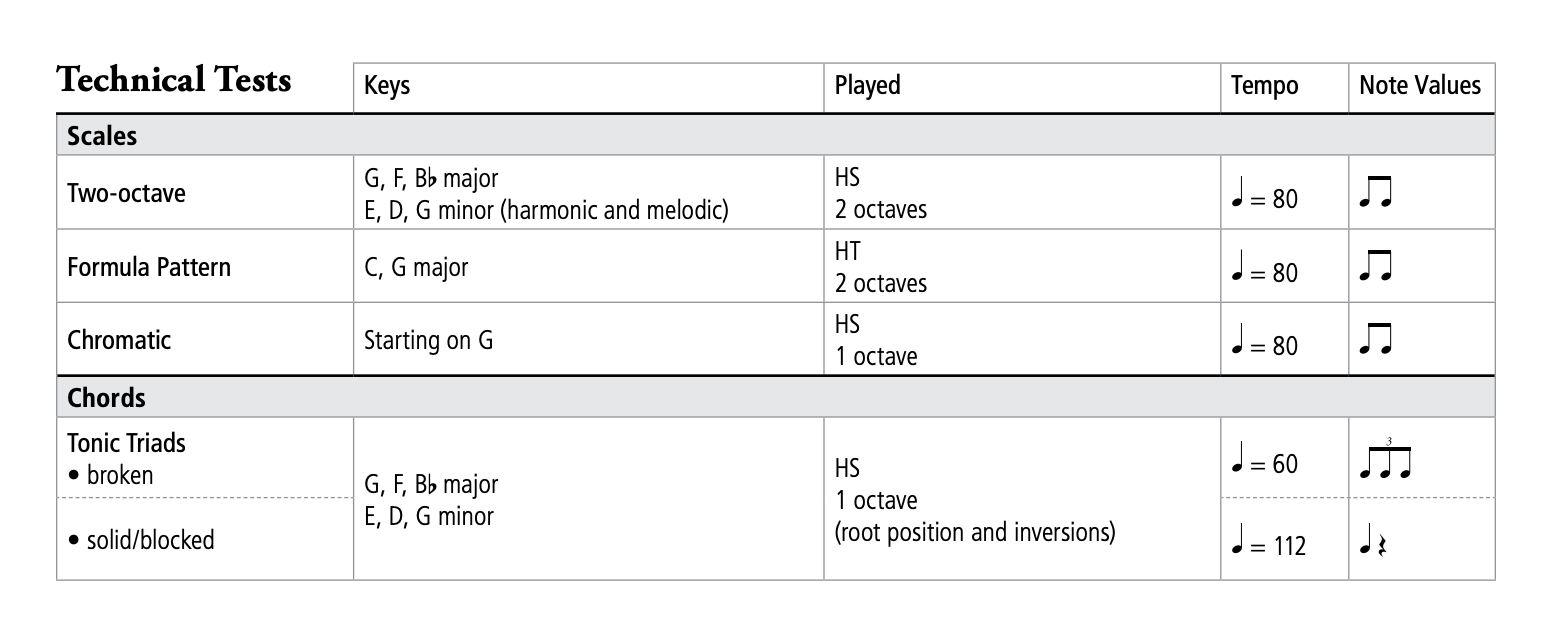
Screen Shot 2019-09-15 at 3.10.46 PM.png

THEORY

  1. Celebrate Theory: Level 1

    1. COMPLETE: Unit 2

      1. Dustin emailed.

      2. Please text me photos of each page of your work once finished.


READING

  1. ***Bartok: Mikrokosmos, Book 1

    1. NO ASSIGNMENT UNTIL AFTER FEB 2 RECITAL

    2. Prepare No. 11

  2. Four Star Sightreading & Ear Tests Level 2

    1. FINISH: all of Set 6

    2. *Sightreading Portion

      1. Key signature: what is it?

      2. Time signature: what is it?

      3. Study the rhythm.

      4. Study the notes and intervals.

      5. Set a SLOW and steady beat in your mind.

      6. BEGIN! and DON’T STOP ONCE YOU’VE STARTED

  3. ***Piano Adventures Sightreading Level 2A

    1. Move on from page 10

    2. Do 1-2 of these each day.

    3. BEAT IS THE BOSS

    4. GO SLOWLY


REPERTOIRE

  1. **Half Asleep by Christopher Norton (L. 2, B)

    1. GOAL: Be able to play to measure 13 with no stops.

      1. Practice two measures at a time, overlapping each group of measures.

  2. Invention in C Major (L. 2, C)

    1. Review once a week WITH YOUR MUSIC.

  3. The Silent Moon, Nancy Telfer (L. 2 List B)

    1. Review once a week WITH YOUR MUSIC.

  4. L. V. Beethoven, Ecossaise in G Major (L. 2 List A)

    1. Review once a week WITH YOUR MUSIC.


REVIEW - one time each week with your music:

  1. Far Away by Teresa Richert (b. 1954) - (Etude, L. 1)

  2. German Dance in G Major Hob. IX:22, No. 3 by Haydn

  3. A Swingin Leprechaun by Mike Schoenmmehl

  4. Hopscotch


2019-2020 Lesson 20 of 32

LESSON ASSIGNMENTS

TECHNIQUE - start with this assignment for each practice session.

  1. PREPARE:

    1. Page 9

    2. G chromatic

    3. C major formula pattern

      1. Close Loud:

        1. Attack the note with full force, from the keyboard (fingers are resting on the keys, not from above).

        2. Move your wrist up and forward as soon as you play the note, releasing the energy of the attack.

        3. Immediately relax after the attack and discontinue pushing into the key.

        4. Remember to keep all fingers curved and close to the keyboard.

        5. This helps strengthen your muscles and gain independence of each finger.

      2. Staccato Practice:

        1. Play each note from above the keyboard.

        2. Find balance on each note.

      3. Legato Practice.

        1. You know what to do there! Keep wrists up and smooth.

        2. Fingers round.

Screen Shot 2019-09-15 at 3.10.46 PM.png

THEORY

  1. Celebrate Theory: Level 1

    1. COMPLETE: Unit 1

      1. Be able to teach me next week, how to create a Tonic Triad built on any note of the keyboard.

    2. DUSTIN: Bring Unit 2


READING

  1. Bartok: Mikrokosmos, Book 1

    1. NO ASSIGNMENT UNTIL AFTER FEB 2 RECITAL

    2. Prepare No. 11

  2. Four Star Sightreading & Ear Tests Level 2

    1. FINISH: all of Set 5

    2. *Sightreading Portion

      1. Key signature: what is it?

      2. Time signature: what is it?

      3. Study the rhythm.

      4. Study the notes and intervals.

      5. Set a SLOW and steady beat in your mind.

      6. BEGIN! and DON’T STOP ONCE YOU’VE STARTED

  3. Piano Adventures Sightreading Level 2A

    1. Move on from page 10

    2. Do 1-2 of these each day.

    3. BEAT IS THE BOSS

    4. GO SLOWLY


REPERTOIRE

  1. Half Asleep by Christopher Norton (L. 2, B)

    1. Please count out loud AND THEN play counting inside your head.

    2. Learn to measure 17 hands alone, then hands together.

  2. Invention in C Major (L. 2, C)

    1. Review once a week WITH YOUR MUSIC.

  3. The Silent Moon, Nancy Telfer (L. 2 List B)

    1. Review once a week WITH YOUR MUSIC.

  4. L. V. Beethoven, Ecossaise in G Major (L. 2 List A)

    1. Review once a week WITH YOUR MUSIC.


REVIEW - one time each week with your music:

  1. Far Away by Teresa Richert (b. 1954) - (Etude, L. 1)

  2. German Dance in G Major Hob. IX:22, No. 3 by Haydn

  3. A Swingin Leprechaun by Mike Schoenmmehl

  4. Hopscotch


2019-2020 Lesson 19 of 32

RCMCP: Level 2, Spring

LESSON ASSIGNMENTS

TECHNIQUE - start with this assignment for each practice session.

  1. PREPARE:

    1. Page 9

    2. C major formula pattern

      1. Close Loud:

        1. Attack the note with full force, from the keyboard (fingers are resting on the keys, not from above).

        2. Move your wrist up and forward as soon as you play the note, releasing the energy of the attack.

        3. Immediately relax after the attack and discontinue pushing into the key.

        4. Remember to keep all fingers curved and close to the keyboard.

        5. This helps strengthen your muscles and gain independence of each finger.

      2. Staccato Practice:

        1. Play each note from above the keyboard.

        2. Find balance on each note.

      3. Legato Practice.

        1. You know what to do there! Keep wrists up and smooth.

        2. Fingers round.

Screen Shot 2019-09-15 at 3.10.46 PM.png

THEORY

  1. Celebrate Theory: Prep Level

    1. COMPLETE: All of Unit 7


READING

  1. Bartok: Mikrokosmos, Book 1

    1. NO ASSIGNMENT UNTIL AFTER FEB 2 RECITAL

    2. Prepare No. 11

  2. Four Star Sightreading & Ear Tests Level 2

    1. PREPARE: all of Set 5

    2. *Sightreading Portion

      1. Key signature: what is it?

      2. Time signature: what is it?

      3. Study the rhythm.

      4. Study the notes and intervals.

      5. Set a SLOW and steady beat in your mind.

      6. BEGIN! and DON’T STOP ONCE YOU’VE STARTED

  3. *Piano Adventures Sightreading Level 2A

    1. Move on from page 10

    2. Do 1-2 of these each day.

    3. BEAT IS THE BOSS

    4. GO SLOWLY


REPERTOIRE

  1. Half Asleep by Christopher Norton (L. 2, B)

    1. Your counting is incorrect. Please count out loud and play hands alone first so you understand your beat.

    2. Watch your practice video

  2. Invention in C Major (L. 2, C)

    1. Review once a week WITH YOUR MUSIC.

  3. The Silent Moon, Nancy Telfer (L. 2 List B)

    1. Review once a week WITH YOUR MUSIC.

  4. L. V. Beethoven, Ecossaise in G Major (L. 2 List A)

    1. Review once a week WITH YOUR MUSIC.


REVIEW - one time each week with your music:

  1. Far Away by Teresa Richert (b. 1954) - (Etude, L. 1)

  2. German Dance in G Major Hob. IX:22, No. 3 by Haydn

  3. A Swingin Leprechaun by Mike Schoenmmehl

  4. Hopscotch


2019-2020 Lesson 18 of 32

RCMCP: Level 2, Spring

LESSON ASSIGNMENTS

TECHNIQUE - start with this assignment for each practice session.

  1. PREPARE:

    1. Page 9

    2. C major formula pattern - ask yourself where your 4th finger is!

Screen Shot 2019-09-15 at 3.10.46 PM.png

THEORY

  1. Celebrate Theory: Prep Level

    1. Dustin: BRING UNIT 7 NEXT WEEK.


READING

  1. Bartok: Mikrokosmos, Book 1

    1. NO ASSIGNMENT UNTIL AFTER FEB 2 RECITAL

    2. Prepare No. 11

  2. Four Star Sightreading & Ear Tests Level 2

    1. PREPARE: all of Set 4

    2. Sightreading Portion

      1. Key signature: what is it?

      2. Time signature: what is it?

      3. Study the rhythm.

      4. Study the notes and intervals.

      5. Set a SLOW and steady beat in your mind.

      6. BEGIN! and DON’T STOP ONCE YOU’VE STARTED

  3. *Piano Adventures Sightreading Level 2A

    1. Move on from page 10

    2. Do 1-2 of these each day.

    3. BEAT IS THE BOSS

    4. GO SLOWLY


REPERTOIRE

  1. Half Asleep by Christopher Norton

    1. Remember how we did this at your lesson? Learn ha da together!

  2. Invention in C Major (L. 2, C)

    1. Review once a week WITH YOUR MUSIC.

  3. The Silent Moon, Nancy Telfer (L. 2 List B)

    1. Review once a week WITH YOUR MUSIC.

  4. L. V. Beethoven, Ecossaise in G Major (L. 2 List A)

    1. Review once a week WITH YOUR MUSIC.


REVIEW - one time each week with your music:

  1. Far Away by Teresa Richert (b. 1954) - (Etude, L. 1)

  2. German Dance in G Major Hob. IX:22, No. 3 by Haydn

  3. A Swingin Leprechaun by Mike Schoenmmehl

  4. Hopscotch


2019-2020 Lesson 17 of 32

RCMCP: Level 2, Spring

LESSON ASSIGNMENTS

TECHNIQUE - start with this assignment for each practice session.

  1. PREPARE:

    1. G harmonic minor and G melodic minor on page 8

    2. C major formula pattern - ask yourself where your 4th finger is!

Screen Shot 2019-09-15 at 3.10.46 PM.png

THEORY

  1. Celebrate Theory: Prep Level

    1. No more Theory until after recital on February 2nd (UNIT 7 NEXT)


READING

  1. Bartok: Mikrokosmos, Book 1

    1. NO ASSIGNMENT UNTIL AFTER FEB 2 RECITAL

    2. Prepare No. 11

  2. Four Star Sightreading & Ear Tests Level 2

    1. PREPARE: all of Set 4

    2. Sightreading Portion

      1. Key signature: what is it?

      2. Time signature: what is it?

      3. Study the rhythm.

      4. Study the notes and intervals.

      5. Set a SLOW and steady beat in your mind.

      6. BEGIN! and DON’T STOP ONCE YOU’VE STARTED

  3. *Piano Adventures Sightreading Level 2A

    1. Move on from page 10

    2. Do 1-2 of these each day.

    3. BEAT IS THE BOSS

    4. GO SLOWLY


REPERTOIRE

  1. Half Asleep by Christopher Norton

    1. Remember how we did this at your lesson? Learn ha da together!

  2. Invention in C Major (L. 2, C)

    1. Be able to play this from beginning to end with no stops and ALL THE ARTICULATION

  3. The Silent Moon, Nancy Telfer (L. 2 List B)

    1. Practice this with the metronome.

  4. L. V. Beethoven, Ecossaise in G Major (L. 2 List A)

    1. Review for your Feb. 2nd recital.


REVIEW - one time each week with your music:

  1. Far Away by Teresa Richert (b. 1954) - (Etude, L. 1)

  2. German Dance in G Major Hob. IX:22, No. 3 by Haydn

  3. A Swingin Leprechaun by Mike Schoenmmehl

  4. Hopscotch


2019-2020 Lesson 16 of 32

RCMCP: Level 2, Spring

LESSON ASSIGNMENTS

TECHNIQUE - start with this assignment for each practice session.

  1. PREPARE:

    1. G harmonic minor and G melodic minor on page 8

    2. C major formula pattern - ask yourself where your 4th finger is!

Screen Shot 2019-09-15 at 3.10.46 PM.png

THEORY

  1. Celebrate Theory: Prep Level

    1. No more Theory until after recital on February 2nd (UNIT 7 NEXT)


READING

  1. Bartok: Mikrokosmos, Book 1

    1. NO ASSIGNMENT UNTIL AFTER FEB 2 RECITAL

    2. Prepare No. 11

  2. **Four Star Sightreading & Ear Tests Level 2

    1. PREPARE: all of Set 4

    2. Sightreading Portion

      1. Key signature: what is it?

      2. Time signature: what is it?

      3. Study the rhythm.

      4. Study the notes and intervals.

      5. Set a SLOW and steady beat in your mind.

      6. BEGIN! and DON’T STOP ONCE YOU’VE STARTED

  3. *Piano Adventures Sightreading Level 2A

    1. Move on from page 10

    2. Do 1-2 of these each day.

    3. BEAT IS THE BOSS

    4. GO SLOWLY


REPERTOIRE

  1. Half Asleep by Christopher Norton

    1. Start to learn! Hands alone, then together, in small chunks.

  2. (RECITAL) Invention in C Major (L. 2, C)

    1. Be able to play this from beginning to end with no stops and ALL THE ARTICULATION

  3. (RECITAL) The Silent Moon, Nancy Telfer (L. 2 List B)

    1. Practice this with the metronome.

  4. (RECITAL) L. V. Beethoven, Ecossaise in G Major (L. 2 List A)

    1. Review for your Feb. 2nd recital.


REVIEW - one time each week with your music:

  1. Far Away by Teresa Richert (b. 1954) - (Etude, L. 1)

  2. German Dance in G Major Hob. IX:22, No. 3 by Haydn

  3. A Swingin Leprechaun by Mike Schoenmmehl

  4. Hopscotch


2019-2020 Lesson 15 of 32

RCMCP: Level 2, Spring

LESSON ASSIGNMENTS

TECHNIQUE - start with this assignment for each practice session.

  1. PREPARE:

    1. G harmonic minor and G melodic minor on page 8

    2. C major formula pattern - ask yourself where your 4th finger is!

Screen Shot 2019-09-15 at 3.10.46 PM.png

THEORY

  1. Celebrate Theory: Prep Level

    1. No more Theory until after recital on February 2nd (UNIT 7 NEXT)


READING

  1. Bartok: Mikrokosmos, Book 1

    1. NO ASSIGNMENT UNTIL AFTER FEB 2 RECITAL

    2. Prepare No. 11

  2. **Four Star Sightreading & Ear Tests Level 2

    1. PREPARE: all of Set 4

    2. Sightreading Portion

      1. Key signature: what is it?

      2. Time signature: what is it?

      3. Study the rhythm.

      4. Study the notes and intervals.

      5. Set a SLOW and steady beat in your mind.

      6. BEGIN! and DON’T STOP ONCE YOU’VE STARTED

  3. *Piano Adventures Sightreading Level 2A

    1. Move on from page 10

    2. Do 1-2 of these each day.

    3. BEAT IS THE BOSS

    4. GO SLOWLY


REPERTOIRE

  1. Half Asleep by Christopher Norton

    1. Start to learn! Hands alone, then together, in small chunks.

  2. (RECITAL) Invention in C Major (L. 2, C)

    1. Be able to play this from beginning to end with no stops and ALL THE ARTICULATION

  3. (RECITAL) The Silent Moon, Nancy Telfer (L. 2 List B)

    1. HANDS ALONE PRACTICE

      1. Practice entire piece hands alone with the music.

    2. SECTION PREACTICE

      1. Choose a small section and play 3 times in-a-row correctly having one focus.

    3. FINAL TEMPO PRACTICE

      1. Entire piece 3 times correctly.

  4. (RECITAL) L. V. Beethoven, Ecossaise in G Major (L. 2 List A)

    1. Review for your Feb. 2nd recital.


REVIEW - one time each week with your music:

  1. Far Away by Teresa Richert (b. 1954) - (Etude, L. 1)

  2. German Dance in G Major Hob. IX:22, No. 3 by Haydn

  3. A Swingin Leprechaun by Mike Schoenmmehl

  4. Hopscotch


2019-2020 Lesson 14 of 32

RCMCP: Level 2, Spring

LESSON ASSIGNMENTS

TECHNIQUE - start with this assignment for each practice session.

  1. PREPARE:

    1. G harmonic minor and G melodic minor on page 8

    2. C major formula pattern - ask yourself where your 4th finger is!

Screen Shot 2019-09-15 at 3.10.46 PM.png

THEORY

  1. Celebrate Theory: Prep Level

    1. No more Theory until after recital on February 2nd (UNIT 7 NEXT)


READING

  1. Bartok: Mikrokosmos, Book 1

    1. NO ASSIGNMENT UNTIL AFTER FEB 2 RECITAL

    2. Prepare No. 11

  2. **Four Star Sightreading & Ear Tests Level 2

    1. PREPARE: all of Set 4

    2. Sightreading Portion

      1. Key signature: what is it?

      2. Time signature: what is it?

      3. Study the rhythm.

      4. Study the notes and intervals.

      5. Set a SLOW and steady beat in your mind.

      6. BEGIN! and DON’T STOP ONCE YOU’VE STARTED

  3. *Piano Adventures Sightreading Level 2A

    1. Move on from page 10

    2. Do 1-2 of these each day.

    3. BEAT IS THE BOSS

    4. GO SLOWLY


REPERTOIRE

  1. Half Asleep by Christopher Norton

    1. Start to learn! Hands alone, then together, in small chunks.

  2. Invention in C Major (L. 2, C)

    1. Be able to play this from beginning to end with no stops and ALL THE ARTICULATION

  3. The Silent Moon, Nancy Telfer (L. 2 List B)

    1. Memorize

    2. Sing the RH and keep the LH quiet!

  4. L. V. Beethoven, Ecossaise in G Major (L. 2 List A)

    1. Review for your Feb. 2nd recital.


REVIEW - one time each week with your music:

  1. Far Away by Teresa Richert (b. 1954) - (Etude, L. 1)

  2. German Dance in G Major Hob. IX:22, No. 3 by Haydn

  3. A Swingin Leprechaun by Mike Schoenmmehl

  4. Hopscotch


2019-2020 Lesson 13 of 32

RCMCP: Level 2, Spring

LESSON ASSIGNMENTS

TECHNIQUE - start with this assignment for each practice session.

  1. PREPARE:

    1. G harmonic minor and G melodic minor on page 8

    2. C major formula pattern

Screen Shot 2019-09-15 at 3.10.46 PM.png

*THEORY

  1. *Celebrate Theory: Prep Level

    1. PREPARE: Unit 6

    2. No more Theory until after recital on February 2nd


READING

  1. Bartok: Mikrokosmos, Book 1

    1. Prepare No. 11

      1. You are advanced enough not to be able to follow all the markings on your own.

      2. STEADY BEAT!

      3. RELEARN THE CORRECT NOTES IN THE LH

      4. What lessons have we learned so far from all of the previous exercises?

  2. *Four Star Sightreading & Ear Tests Level 2

    1. PREPARE: all of Set 4

    2. Sightreading Portion

      1. Key signature: what is it?

      2. Time signature: what is it?

      3. Study the rhythm.

      4. Study the notes and intervals.

      5. Set a SLOW and steady beat in your mind.

      6. BEGIN! and DON’T STOP ONCE YOU’VE STARTED

  3. *Piano Adventures Sightreading Level 2A

    1. Move on from page 10

    2. Do 1-2 of these each day.

    3. BEAT IS THE BOSS

    4. GO SLOWLY


*REPERTOIRE

  1. *Invention in C Major (L. 2, C)

    1. Hands alone - make it secure!

    2. Hands together, one measure at a time - repeat each measure 5 times correctly, SLOWLY.

  2. The Silent Moon, Nancy Telfer (L. 2 List B)

    1. Memorize

    2. Sing the RH and keep the LH quiet!

  3. L. V. Beethoven, Ecossaise in G Major (L. 2 List A)

    1. Review for your Feb. 2nd recital.


REVIEW - one time each week with your music:

  1. Far Away by Teresa Richert (b. 1954) - (Etude, L. 1)

  2. German Dance in G Major Hob. IX:22, No. 3 by Haydn

  3. A Swingin Leprechaun by Mike Schoenmmehl

  4. Hopscotch


2019-2020 Lesson 12 of 32

RCMCP: Level 2, Spring

LESSON ASSIGNMENTS

TECHNIQUE - start with this assignment for each practice session.

  1. PREPARE: Page 8 - Set a timer for 5 min. Do the following, and when the timer finishes, pick up from where you left the next day.

    1. See the orange pen.

      1. Practice in two ways

        1. CLOSE LOUD

          1. Be careful that after you strike the key, you immediately move your wrist forward.

        2. LEGATO

          1. Slow down

          2. Bring your wrist higher.

Screen Shot 2019-09-15 at 3.10.46 PM.png

THEORY

  1. Celebrate Theory: Prep Level

    1. PREPARE: Unit 6


READING

  1. Bartok: Mikrokosmos, Book 1

    1. Prepare No. 11

      1. What lessons have we learned so far from all of the previous exercises?

  2. Four Star Sightreading & Ear Tests Level 2

    1. PREPARE: all of Set 4

    2. Sightreading Portion

      1. Key signature: what is it?

      2. Time signature: what is it?

      3. Study the rhythm.

      4. Study the notes and intervals.

      5. Set a SLOW and steady beat in your mind.

      6. BEGIN! and DON’T STOP ONCE YOU’VE STARTED

  3. Piano Adventures Sightreading Level 2A

    1. Move on from page 10

    2. Do 1-2 of these each day.

    3. BEAT IS THE BOSS

    4. GO SLOWLY


REPERTOIRE

  1. Invention in C Major (L. 2, C)

    1. Hands alone - make it secure!

    2. Hands together, one measure at a time - repeat each measure 5 times correctly, SLOWLY.

  2. The Silent Moon, Nancy Telfer (L. 2 List B)

    1. FIX THE RH NOTES IN MEASURE 24

    2. APPLY EXPRESSION! EXTREME EXPRESSION!

  3. L. V. Beethoven, Ecossaise in G Major (L. 2 List A)

    1. For class


REVIEW - one time each week with your music:

  1. Far Away by Teresa Richert (b. 1954) - (Etude, L. 1)

  2. German Dance in G Major Hob. IX:22, No. 3 by Haydn

  3. A Swingin Leprechaun by Mike Schoenmmehl

  4. Hopscotch


2019-2020 Lesson 11 of 32

RCMCP: Level 2, Spring

LESSON ASSIGNMENTS

TECHNIQUE - start with this assignment for each practice session.

  1. PREPARE: Page 8 - Set a timer for 5 min. Do the following, and when the timer finishes, pick up from where you left the next day.

    1. See the orange pen.

      1. Practice in two ways

        1. CLOSE LOUD

          1. Be careful that after you strike the key, you immediately move your wrist forward.

        2. LEGATO

          1. Slow down

          2. Bring your wrist higher.

Screen Shot 2019-09-15 at 3.10.46 PM.png

THEORY

  1. Celebrate Theory: Prep Level

    1. PREPARE: Unit 6

      1. DUSTIN BRING NEXT LESSON


READING

  1. Bartok: Mikrokosmos, Book 1

    1. Prepare No. 10

      1. Pass off next week with “into the black” metronome 86

  2. Four Star Sightreading & Ear Tests Level 2

    1. PREPARE: all of Set 3

    2. Sightreading Portion

      1. Key signature: what is it?

      2. Time signature: what is it?

      3. Study the rhythm.

      4. Study the notes and intervals.

      5. Set a SLOW and steady beat in your mind.

      6. BEGIN! and DON’T STOP ONCE YOU’VE STARTED

  3. Piano Adventures Sightreading Level 2A

    1. Move on from page 8


REPERTOIRE

  1. Invention in C Major (L. 2, C)

    1. Learn with NFRPE charts

  2. The Silent Moon, Nancy Telfer (L. 2 List B)

    1. Hands together to the very end. Add dynamics!

    2. measures 27-28 include LH notes!!
      mm 80 per quarter note

  3. L. V. Beethoven, Ecossaise in G Major (L. 2 List A)

    1. For class


REVIEW - one time each week with your music:

  1. Far Away by Teresa Richert (b. 1954) - (Etude, L. 1)

  2. German Dance in G Major Hob. IX:22, No. 3 by Haydn

  3. A Swingin Leprechaun by Mike Schoenmmehl

  4. Hopscotch


2019-2020 Lesson 10 of 32

RCMCP: Level 2, Spring

LESSON ASSIGNMENTS

TECHNIQUE - start with this assignment for each practice session.

  1. PREPARE: Page 8 - Set a timer for 5 min. Do the following, and when the timer finishes, pick up from where you left the next day.

    1. See the orange pen.

      1. Practice in two ways

        1. CLOSE LOUD

          1. Be careful that after you strike the key, you immediately move your wrist forward.

        2. LEGATO

          1. Slow down

          2. Bring your wrist higher.

Screen Shot 2019-09-15 at 3.10.46 PM.png

THEORY

  1. Celebrate Theory: Prep Level

    1. PREPARE: Unit 6

      1. DUSTIN BRING NEXT LESSON


READING

  1. Bartok: Mikrokosmos, Book 1

    1. Prepare No. 11

      1. PREPARE: with NFRPE

  2. Four Star Sightreading & Ear Tests Level 2

    1. PREPARE: all of Set 3

    2. Sightreading Portion

      1. Key signature: what is it?

      2. Time signature: what is it?

      3. Study the rhythm.

      4. Study the notes and intervals.

      5. Set a SLOW and steady beat in your mind.

      6. BEGIN! and DON’T STOP ONCE YOU’VE STARTED

  3. Piano Adventures Sightreading Level 2A

    1. PLEASE ORDER THIS BOOK

      1. https://www.amazon.com/Level-2A-Sightreading-Piano-Adventures/dp/1616776382/ref=sr_1_1?crid=1LYU58765NJA9&keywords=piano+adventures+sight+reading+2a&qid=1570226300&sprefix=piano+adventures+sigh%2Caps%2C125&sr=8-1


REPERTOIRE

  1. Canon in C Major (L. 2, C)

    1. Learn with NFRPE charts

  2. The Silent Moon, Nancy Telfer (L. 2 List B)

    1. FIX THE PAUSE in measures 8-9

      1. preparing the LH in measure 8 to play in measure 9

    2. WRIST UP AND CORRECT NOTE in measures 11-13

    3. Hands together to the very end. Add dynamics!

  3. L. V. Beethoven, Ecossaise in G Major (L. 2 List A)

    1. Next week, record so we can send to Rami.

    2. Fix the pink pen and blue pen especially in the B and C sections. DYNAMICS!

    3. Practice this slowly and exaggerate your new dynamics.


REVIEW - one time each week with your music:

  1. Far Away by Teresa Richert (b. 1954) - (Etude, L. 1)

  2. German Dance in G Major Hob. IX:22, No. 3 by Haydn

  3. A Swingin Leprechaun by Mike Schoenmmehl

  4. Hopscotch


2019-2020 Lesson 9 of 32

RCMCP: Level 2, Spring

LESSON ASSIGNMENTS

TECHNIQUE - start with this assignment for each practice session.

  1. PREPARE: Page 8 - Set a timer for 5 min. Do the following, and when the timer finishes, pick up from where you left the next day.

    1. See the orange pen.

      1. Practice in two ways

        1. CLOSE LOUD

          1. Be careful that after you strike the key, you immediately move your wrist forward.

        2. LEGATO

          1. Slow down

          2. Bring your wrist higher.

Screen Shot 2019-09-15 at 3.10.46 PM.png

THEORY

  1. Celebrate Theory: Prep Level

    1. PREPARE: Unit 6


READING

  1. Bartok: Mikrokosmos, Book 1

    1. Prepare No. 10

      1. See the orange pen

      2. Tell me a story in three parts! Make up your own story according to the composition of the note. Beginning , middle and end.

      3. Add your own expression.

  2. **Four Star Sightreading & Ear Tests Level 2

    1. PREPARE: all of Set 2

      1. Double check your clefs to make sure you’re in the correct register.

      2. When you do the rhythm, make sure you hold long notes for their full value and clap on the final bar line to indicate the end of the beat.

    2. Sightreading Portion

      1. Key signature: what is it?

      2. Time signature: what is it?

      3. Study the rhythm.

      4. Study the notes and intervals.

      5. Set a SLOW and steady beat in your mind.

      6. BEGIN! and DON’T STOP ONCE YOU’VE STARTED

  3. Piano Adventures Sightreading Level 2A

    1. PLEASE ORDER THIS BOOK

      1. https://www.amazon.com/Level-2A-Sightreading-Piano-Adventures/dp/1616776382/ref=sr_1_1?crid=1LYU58765NJA9&keywords=piano+adventures+sight+reading+2a&qid=1570226300&sprefix=piano+adventures+sigh%2Caps%2C125&sr=8-1


REPERTOIRE

  1. New Piece Next Week.

    1. Choose from L. 2 repertoire.

  2. The Silent Moon, Nancy Telfer (L. 2 List B)

    1. FIX THE PAUSE in measures 8-9

      1. preparing the LH in measure 8 to play in measure 9

    2. WRIST UP AND CORRECT NOTE in measures 11-13

    3. Hands together to the very end. Add dynamics!

  3. L. V. Beethoven, Ecossaise in G Major (L. 2 List A)

    1. Next week, record so we can send to Rami.

    2. Fix the pink pen and blue pen especially in the B and C sections. DYNAMICS!

    3. Practice this slowly and exaggerate your new dynamics.


HOLD

Czerny Op. 823 No 16

  1. “SPOTTING” or a “SPOT” is a small section of your music that need to be cleaned up! To “spot” a section, do the following:

    1. Create the spot by starting at least one measure before the mistake and finishing one measure after the mistake

    2. Be able to play it 3 times in-a-row correctly.

  2. LH ms. 12 to the end: 3 times in-a-row perfect. Every practice session. “Spot”

  3. RH ms. 1-4: “SPOT”

  4. Be able to play hands alone to the end with NO STOPS and NO MISTAKES

*MUSICIANSHIP

  1. RHYTHM

    1. PREPARE: Nos

      1. Remember to conduct one bar of silence before you begin to ta

      2. Relax your your wrist, fingers and arm when you conduct. Why do we do this?

REPERTOIRE

  1. *The Silent Moon, Nancy Telfer

    1. Learn hands alone in chunks of 4 measures at a time

    2. Then hands together using NFRPE

  2. L. V. Beethoven, Ecossaise in G Major (L. 2)

    1. Spot the purple pen.

    2. BE ABLET TO PLLAY HANDS ALONE with no pauses and all expression correctly before you put this hands together.

REVIEW - one time each week with your music:

  1. Far Away by Teresa Richert (b. 1954) - (Etude, L. 1)

  2. German Dance in G Major Hob. IX:22, No. 3 by Haydn

  3. A Swingin Leprechaun by Mike Schoenmmehl

  4. Hopscotch


2019-2020 Lesson 8 of 32

RCMCP: Level 2, Spring

LESSON ASSIGNMENTS

TECHNIQUE - start with this assignment for each practice session.

  1. PREPARE: Page 8 - Set a timer for 5 min. Do the following, and when the timer finishes, pick up from where you left the next day.

    1. See the orange pen.

      1. Practice in two ways

        1. CLOSE LOUD

          1. Be careful that after you strike the key, you immediately move your wrist forward.

        2. LEGATO

          1. Slow down

          2. Bring your wrist higher.

Screen Shot 2019-09-15 at 3.10.46 PM.png

THEORY

  1. Celebrate Theory: Prep Level

    1. PREPARE: Unit 6


READING

  1. Bartok: Mikrokosmos, Book 1

    1. Prepare No. 10

      1. See the orange pen

      2. Tell me a story in three parts! Make up your own story according to the composition of the note. Beginning , middle and end.

      3. Add your own expression.

  2. **Four Star Sightreading & Ear Tests Level 2

    1. PREPARE: all of Set 2

      1. Double check your clefs to make sure you’re in the correct register.

      2. When you do the rhythm, make sure you hold long notes for their full value and clap on the final bar line to indicate the end of the beat.

    2. Sightreading Portion

      1. Key signature: what is it?

      2. Time signature: what is it?

      3. Study the rhythm.

      4. Study the notes and intervals.

      5. Set a SLOW and steady beat in your mind.

      6. BEGIN! and DON’T STOP ONCE YOU’VE STARTED

  3. Piano Adventures Sightreading Level 2A

    1. PLEASE ORDER THIS BOOK

      1. https://www.amazon.com/Level-2A-Sightreading-Piano-Adventures/dp/1616776382/ref=sr_1_1?crid=1LYU58765NJA9&keywords=piano+adventures+sight+reading+2a&qid=1570226300&sprefix=piano+adventures+sigh%2Caps%2C125&sr=8-1


REPERTOIRE

  1. The Silent Moon, Nancy Telfer (L. 2)

    1. See all pen and learn to the end!

  2. L. V. Beethoven, Ecossaise in G Major (L. 2)

    1. Pass off next week by making the expression extreme!


HOLD

Czerny Op. 823 No 16

  1. “SPOTTING” or a “SPOT” is a small section of your music that need to be cleaned up! To “spot” a section, do the following:

    1. Create the spot by starting at least one measure before the mistake and finishing one measure after the mistake

    2. Be able to play it 3 times in-a-row correctly.

  2. LH ms. 12 to the end: 3 times in-a-row perfect. Every practice session. “Spot”

  3. RH ms. 1-4: “SPOT”

  4. Be able to play hands alone to the end with NO STOPS and NO MISTAKES

*MUSICIANSHIP

  1. RHYTHM

    1. PREPARE: Nos

      1. Remember to conduct one bar of silence before you begin to ta

      2. Relax your your wrist, fingers and arm when you conduct. Why do we do this?

REPERTOIRE

  1. *The Silent Moon, Nancy Telfer

    1. Learn hands alone in chunks of 4 measures at a time

    2. Then hands together using NFRPE

  2. L. V. Beethoven, Ecossaise in G Major (L. 2)

    1. Spot the purple pen.

    2. BE ABLET TO PLLAY HANDS ALONE with no pauses and all expression correctly before you put this hands together.

REVIEW - one time each week with your music:

  1. Far Away by Teresa Richert (b. 1954) - (Etude, L. 1)

  2. German Dance in G Major Hob. IX:22, No. 3 by Haydn

  3. A Swingin Leprechaun by Mike Schoenmmehl

  4. Hopscotch


2019-2020 Lesson 7 of 32

RCMCP: Level 2, Spring

LESSON ASSIGNMENTS

TECHNIQUE - start with this assignment for each practice session.

  1. **PREPARE: Page 8 - Set a timer for 5 min. Do the following, and when the timer finishes, pick up from where you left the next day.

    1. Practice in two ways

      1. CLOSE LOUD

        1. Be careful that after you strike the key, you immediately move your wrist forward.

      2. LEGATO

        1. Slow down

        2. Bring your wrist higher.

Screen Shot 2019-09-15 at 3.10.46 PM.png

READING

  1. Bartok: Mikrokosmos, Book 1

    1. Prepare No. 10

      1. Don’t forget the pink pen.

  2. **Four Star Sightreading & Ear Tests Level 2

    1. PREPARE: all of Set 2

      1. Double check your clefs to make sure you’re in the correct register.

      2. When you do the rhythm, make sure you hold long notes for their full value and clap on the final bar line to indicate the end of the beat.

    2. Sightreading Portion

      1. Key signature: what is it?

      2. Time signature: what is it?

      3. Study the rhythm.

      4. Study the notes and intervals.

      5. Set a SLOW and steady beat in your mind.

      6. BEGIN! and DON’T STOP ONCE YOU’VE STARTED

  3. Piano Adventures Sightreading Level 2A

    1. PLEASE ORDER THIS BOOK

      1. https://www.amazon.com/Level-2A-Sightreading-Piano-Adventures/dp/1616776382/ref=sr_1_1?crid=1LYU58765NJA9&keywords=piano+adventures+sight+reading+2a&qid=1570226300&sprefix=piano+adventures+sigh%2Caps%2C125&sr=8-1


REPERTOIRE

  1. The Silent Moon, Nancy Telfer (L. 2)

    1. FIX ALL BLUE AND PINK PEN

    2. DON’T PLAY FAST!

    3. Learn from measures 22-End, hands alone first, then together.

  2. ***L. V. Beethoven, Ecossaise in G Major (L. 2)

    1. This assignment was not completed for the third week in-a-row.

    2. Please have the following correct for measures 12-15

      1. Fingering

      2. Notes

      3. Position

      4. Expression

      5. Rhythm.


HOLD

Czerny Op. 823 No 16

  1. “SPOTTING” or a “SPOT” is a small section of your music that need to be cleaned up! To “spot” a section, do the following:

    1. Create the spot by starting at least one measure before the mistake and finishing one measure after the mistake

    2. Be able to play it 3 times in-a-row correctly.

  2. LH ms. 12 to the end: 3 times in-a-row perfect. Every practice session. “Spot”

  3. RH ms. 1-4: “SPOT”

  4. Be able to play hands alone to the end with NO STOPS and NO MISTAKES

*MUSICIANSHIP

  1. RHYTHM

    1. PREPARE: Nos

      1. Remember to conduct one bar of silence before you begin to ta

      2. Relax your your wrist, fingers and arm when you conduct. Why do we do this?

REPERTOIRE

  1. *The Silent Moon, Nancy Telfer

    1. Learn hands alone in chunks of 4 measures at a time

    2. Then hands together using NFRPE

  2. L. V. Beethoven, Ecossaise in G Major (L. 2)

    1. Spot the purple pen.

    2. BE ABLET TO PLLAY HANDS ALONE with no pauses and all expression correctly before you put this hands together.

REVIEW - one time each week with your music:

  1. Far Away by Teresa Richert (b. 1954) - (Etude, L. 1)

  2. German Dance in G Major Hob. IX:22, No. 3 by Haydn

  3. A Swingin Leprechaun by Mike Schoenmmehl

  4. Hopscotch


2019-2020 Lesson 6 of 32

RCMCP: Level 2, Spring

LESSON ASSIGNMENTS

TECHNIQUE - start with this assignment for each practice session.

  1. PREPARE: Page 8 - Set a timer for 5 min. Do the following, and when the timer finishes, pick up from where you left the next day.

    1. Practice in two ways

      1. CLOSE LOUD

        1. Be careful that after you strike the key, you immediately move your wrist forward.

      2. LEGATO

        1. Slow down

        2. Bring your wrist higher.

Screen Shot 2019-09-15 at 3.10.46 PM.png

READING

  1. Bartok: Mikrokosmos, Book 1

    1. Prepare No. 10

      1. Don’t forget the pink pen.

  2. **Four Star Sightreading & Ear Tests Level 2

    1. PREPARE: all of Set 2

      1. Double check your clefs to make sure you’re in the correct register.

      2. When you do the rhythm, make sure you hold long notes for their full value and clap on the final bar line to indicate the end of the beat.

    2. Sightreading Portion

      1. Key signature: what is it?

      2. Time signature: what is it?

      3. Study the rhythm.

      4. Study the notes and intervals.

      5. Set a SLOW and steady beat in your mind.

      6. BEGIN! and DON’T STOP ONCE YOU’VE STARTED

  3. Piano Adventures Sightreading Level 2A

    1. PLEASE ORDER THIS BOOK

      1. https://www.amazon.com/Level-2A-Sightreading-Piano-Adventures/dp/1616776382/ref=sr_1_1?crid=1LYU58765NJA9&keywords=piano+adventures+sight+reading+2a&qid=1570226300&sprefix=piano+adventures+sigh%2Caps%2C125&sr=8-1


REPERTOIRE

  1. The Silent Moon, Nancy Telfer (L. 2)

    1. FIX ALL BLUE AND PINK PEN

    2. DON’T PLAY FAST!

    3. Learn from measures 22-End, hands alone first, then together.

  2. L. V. Beethoven, Ecossaise in G Major (L. 2)

    1. measures 13-14 - fix the slurs and learn the correct notes.


HOLD

Czerny Op. 823 No 16

  1. “SPOTTING” or a “SPOT” is a small section of your music that need to be cleaned up! To “spot” a section, do the following:

    1. Create the spot by starting at least one measure before the mistake and finishing one measure after the mistake

    2. Be able to play it 3 times in-a-row correctly.

  2. LH ms. 12 to the end: 3 times in-a-row perfect. Every practice session. “Spot”

  3. RH ms. 1-4: “SPOT”

  4. Be able to play hands alone to the end with NO STOPS and NO MISTAKES

*MUSICIANSHIP

  1. RHYTHM

    1. PREPARE: Nos

      1. Remember to conduct one bar of silence before you begin to ta

      2. Relax your your wrist, fingers and arm when you conduct. Why do we do this?

REPERTOIRE

  1. *The Silent Moon, Nancy Telfer

    1. Learn hands alone in chunks of 4 measures at a time

    2. Then hands together using NFRPE

  2. L. V. Beethoven, Ecossaise in G Major (L. 2)

    1. Spot the purple pen.

    2. BE ABLET TO PLLAY HANDS ALONE with no pauses and all expression correctly before you put this hands together.

REVIEW - one time each week with your music:

  1. Far Away by Teresa Richert (b. 1954) - (Etude, L. 1)

  2. German Dance in G Major Hob. IX:22, No. 3 by Haydn

  3. A Swingin Leprechaun by Mike Schoenmmehl

  4. Hopscotch


2019-2020 Lesson 5 of 32

RCMCP: Level 2?

LESSON ASSIGNMENTS

TECHNIQUE

  1. PREPARE: Page 7,

    1. B-flat Major RH: 2, 1, 2, 3, 1, 2, 3, LH: 3, 2, 1, 4, 3, 2,

    2. D minor - harmonic and melodic

      1. Practice in two ways

        1. CLOSE LOUD

          1. Be careful that after you strike the key, you immediately move your wrist forward.

        2. LEGATO

          1. Slow down

          2. Bring your wrist higher.

Screen Shot 2019-09-15 at 3.10.46 PM.png

READING

  1. Bartok: Mikrokosmos, Book 1

    1. Sightread one exercise each day.

  2. Four Star Sightreading & Ear Tests Level 2

    1. PREPARE: all of Set 2

      1. Double check your clefs to make sure you’re in the correct register.

      2. When you do the rhythm, make sure you hold long notes for their full value and clap on the final bar line to indicate the end of the beat.

    2. Sightreading Portion

      1. Key signature: what is it?

      2. Time signature: what is it?

      3. Study the rhythm.

      4. Study the notes and intervals.

      5. Set a SLOW and steady beat in your mind.

      6. BEGIN! and DON’T STOP ONCE YOU’VE STARTED

  3. Piano Adventures Sightreading Level 2A

    1. PLEASE ORDER THIS BOOK

    2. https://www.amazon.com/Level-2A-Sightreading-Piano-Adventures/dp/1616776382/ref=sr_1_1?crid=1LYU58765NJA9&keywords=piano+adventures+sight+reading+2a&qid=1570226300&sprefix=piano+adventures+sigh%2Caps%2C125&sr=8-1


REPERTOIRE

  1. The Silent Moon, Nancy Telfer

    1. m. 5 - SCALE TECHNIQUE!

    2. Learn hands alone in chunks of 4 measures at a time

    3. Then hands together using NFRPE

    4. Learn up to m. 14

  2. L. V. Beethoven, Ecossaise in G Major (L. 2)

    1. measure 7 - fix fingering.

    2. measure 4 - fix A-sharp

    3. measures 13-14 - fix the slurs and learn the correct notes.


HOLD

Czerny Op. 823 No 16

  1. “SPOTTING” or a “SPOT” is a small section of your music that need to be cleaned up! To “spot” a section, do the following:

    1. Create the spot by starting at least one measure before the mistake and finishing one measure after the mistake

    2. Be able to play it 3 times in-a-row correctly.

  2. LH ms. 12 to the end: 3 times in-a-row perfect. Every practice session. “Spot”

  3. RH ms. 1-4: “SPOT”

  4. Be able to play hands alone to the end with NO STOPS and NO MISTAKES

*MUSICIANSHIP

  1. RHYTHM

    1. PREPARE: Nos

      1. Remember to conduct one bar of silence before you begin to ta

      2. Relax your your wrist, fingers and arm when you conduct. Why do we do this?

REPERTOIRE

  1. *The Silent Moon, Nancy Telfer

    1. Learn hands alone in chunks of 4 measures at a time

    2. Then hands together using NFRPE

  2. L. V. Beethoven, Ecossaise in G Major (L. 2)

    1. Spot the purple pen.

    2. BE ABLET TO PLLAY HANDS ALONE with no pauses and all expression correctly before you put this hands together.

REVIEW - one time each week with your music:

  1. Far Away by Teresa Richert (b. 1954) - (Etude, L. 1)

  2. German Dance in G Major Hob. IX:22, No. 3 by Haydn

  3. A Swingin Leprechaun by Mike Schoenmmehl

  4. Hopscotch


2019-2020 Lesson 4 of 32

RCMCP: Level 2?

LESSON ASSIGNMENTS

TECHNIQUE

  1. PREPARE: Page 7,

    1. B-flat Major RH: 2, 1, 2, 3, 1, 2, 3, LH: 3, 2, 1, 4, 3, 2,

    2. D minor - harmonic and melodic

      1. Practice in two ways

        1. CLOSE LOUD

          1. Be careful that after you strike the key, you immediately move your wrist forward.

        2. LEGATO

          1. Slow down

          2. Bring your wrist higher.

Screen Shot 2019-09-15 at 3.10.46 PM.png

READING

  1. Bartok: Mikrokosmos, Book 1

    1. Sightread one exercise each day.

  2. Four Star Sightreading & Ear Tests Level 2

    1. PREPARE: all of Set 1

      1. Double check your clefs to make sure you’re in the correct register.

      2. When you do the rhythm, make sure you hold long notes for their full value and clap on the final bar line to indicate the end of the beat.

    2. Sightreading Portion

      1. Key signature: what is it?

      2. Time signature: what is it?

      3. Study the rhythm.

      4. Study the notes and intervals.

      5. Set a SLOW and steady beat in your mind.

      6. BEGIN! and DON’T STOP ONCE YOU’VE STARTED

  3. Piano Adventures Sightreading Level 2A

    1. PLEASE ORDER THIS BOOK

    2. https://www.amazon.com/Level-2A-Sightreading-Piano-Adventures/dp/1616776382/ref=sr_1_1?crid=1LYU58765NJA9&keywords=piano+adventures+sight+reading+2a&qid=1570226300&sprefix=piano+adventures+sigh%2Caps%2C125&sr=8-1


REPERTOIRE

  1. *The Silent Moon, Nancy Telfer

    1. m. 5 - SCALE TECHNIQUE!

    2. Learn hands alone in chunks of 4 measures at a time

    3. Then hands together using NFRPE

  2. L. V. Beethoven, Ecossaise in G Major (L. 2)

    1. Choose a steady beat before you start so you don’t rush the first measures.

    2. Fix notes in the RH measures 9-end YOU’RE NOT PLAYING ALL THE NOTES.

    3. Fix the rhythm in measures 13 to the end.

    4. RH measures 1-2 - STACCATO NOTES!

    5. When you play staccato, DON’T stroke the key toward your body. Plant your finger into the key and pop up!


HOLD

Czerny Op. 823 No 16

  1. “SPOTTING” or a “SPOT” is a small section of your music that need to be cleaned up! To “spot” a section, do the following:

    1. Create the spot by starting at least one measure before the mistake and finishing one measure after the mistake

    2. Be able to play it 3 times in-a-row correctly.

  2. LH ms. 12 to the end: 3 times in-a-row perfect. Every practice session. “Spot”

  3. RH ms. 1-4: “SPOT”

  4. Be able to play hands alone to the end with NO STOPS and NO MISTAKES

*MUSICIANSHIP

  1. RHYTHM

    1. PREPARE: Nos

      1. Remember to conduct one bar of silence before you begin to ta

      2. Relax your your wrist, fingers and arm when you conduct. Why do we do this?

REPERTOIRE

  1. *The Silent Moon, Nancy Telfer

    1. Learn hands alone in chunks of 4 measures at a time

    2. Then hands together using NFRPE

  2. L. V. Beethoven, Ecossaise in G Major (L. 2)

    1. Spot the purple pen.

    2. BE ABLET TO PLLAY HANDS ALONE with no pauses and all expression correctly before you put this hands together.

REVIEW - one time each week with your music:

  1. Far Away by Teresa Richert (b. 1954) - (Etude, L. 1)

  2. German Dance in G Major Hob. IX:22, No. 3 by Haydn

  3. A Swingin Leprechaun by Mike Schoenmmehl

  4. Hopscotch


2019-2020 Lesson 3 of 32

RCMCP: Level 2?

LESSON ASSIGNMENTS

TECHNIQUE

  1. PREPARE: Page 7, F Major, E Melodic Minor

    1. Practice in two ways

      1. CLOSE LOUD

        1. Be careful that after you strike the key, you immediately move your wrist forward.

      2. LEGATO

        1. Slow down

        2. Bring your wrist higher.

Screen Shot 2019-09-15 at 3.10.46 PM.png

READING

  1. Four Star Sightreading & Ear Tests Level 2

    1. PREPARE: All of review set 2

      1. Ask yourself “where is middle C?”

    2. Sightreading Portion

      1. Key signature: what is it?

      2. Time signature: what is it?

      3. Study the rhythm.

      4. Study the notes and intervals.

      5. Set a SLOW and steady beat in your mind.

      6. BEGIN! and DON’T STOP ONCE YOU’VE STARTED

  2. Sightreading 1

    1. Do one “day” per practice session according to the instructions.

    2. DIRECTIONS

      1. Key signature: what is it?

      2. Time signature: what is it?

      3. Study the rhythm.

      4. Study the notes and intervals.

      5. Set a SLOW and steady beat in your mind.

      6. BEGIN! and DON’T STOP ONCE YOU’VE STARTED


REPERTOIRE

  1. *The Silent Moon, Nancy Telfer

    1. Learn hands alone in chunks of 4 measures at a time

    2. Then hands together using NFRPE

  2. L. V. Beethoven, Ecossaise in G Major (L. 2)

    1. Fix all the pink pen!

    2. Fix notes in the LH measures 9-end

    3. Fix notes in the RH measures 9-end

    4. RH measures 1-2 - STACCATO NOTES!

    5. PAY ATTENTION TO YOUR DYNAMICS PLEASE. :)

    6. When you play staccato, DON’T stroke the key toward your body. Plant your finger into the key and pop up!


HOLD

Czerny Op. 823 No 16

  1. “SPOTTING” or a “SPOT” is a small section of your music that need to be cleaned up! To “spot” a section, do the following:

    1. Create the spot by starting at least one measure before the mistake and finishing one measure after the mistake

    2. Be able to play it 3 times in-a-row correctly.

  2. LH ms. 12 to the end: 3 times in-a-row perfect. Every practice session. “Spot”

  3. RH ms. 1-4: “SPOT”

  4. Be able to play hands alone to the end with NO STOPS and NO MISTAKES

*MUSICIANSHIP

  1. RHYTHM

    1. PREPARE: Nos

      1. Remember to conduct one bar of silence before you begin to ta

      2. Relax your your wrist, fingers and arm when you conduct. Why do we do this?

REPERTOIRE

  1. *The Silent Moon, Nancy Telfer

    1. Learn hands alone in chunks of 4 measures at a time

    2. Then hands together using NFRPE

  2. L. V. Beethoven, Ecossaise in G Major (L. 2)

    1. Spot the purple pen.

    2. BE ABLET TO PLLAY HANDS ALONE with no pauses and all expression correctly before you put this hands together.

REVIEW - one time each week with your music:

  1. Far Away by Teresa Richert (b. 1954) - (Etude, L. 1)

  2. German Dance in G Major Hob. IX:22, No. 3 by Haydn

  3. A Swingin Leprechaun by Mike Schoenmmehl

  4. Hopscotch


2019-2020 Lesson 2 of 32

RCMCP: Level 2?

LESSON ASSIGNMENTS

TECHNIQUE

  1. Major Scale:

    1. Teach me about the pattern in whole and half steps next week! See page 4 in your “Technical Requirement for Piano” book.

  2. PREPARE: Page 7, G Major, E Harmonic Minor

    1. Practice in two ways

      1. CLOSE LOUD

        1. Strike the key with force and immediately release the tension / attack by moving your wrist forward and discontinuing any pressure into the key.

        2. Play this very slowly so you’re able to take time to relax after the strong attack.

      2. LEGATO

        1. Smooth and connected

Screen Shot 2019-09-15 at 3.10.46 PM.png

READING

  1. Four Star Sightreading & Ear Tests Level 2

    1. PREPARE: All of review set 2

      1. Ask yourself “where is middle C?”

    2. Sightreading Portion

      1. Key signature: what is it?

      2. Time signature: what is it?

      3. Study the rhythm.

      4. Study the notes and intervals.

      5. Set a SLOW and steady beat in your mind.

      6. BEGIN! and DON’T STOP ONCE YOU’VE STARTED

  2. Sightreading 1

    1. Read about pages 4-5

    2. Do one “day” per practice session according to the instructions.

    3. DIRECTIONS

      1. Key signature: what is it?

      2. Time signature: what is it?

      3. Study the rhythm.

      4. Study the notes and intervals.

      5. Set a SLOW and steady beat in your mind.

      6. BEGIN! and DON’T STOP ONCE YOU’VE STARTED


REPERTOIRE - start with this next week with Dustin

  1. *The Silent Moon, Nancy Telfer

    1. Learn hands alone in chunks of 4 measures at a time

    2. Then hands together using NFRPE

  2. L. V. Beethoven, Ecossaise in G Major (L. 2)

    1. Spot the purple pen.

    2. BE ABLET TO PLLAY HANDS ALONE with no pauses and all expression correctly before you put this hands together.


HOLD

Czerny Op. 823 No 16

  1. “SPOTTING” or a “SPOT” is a small section of your music that need to be cleaned up! To “spot” a section, do the following:

    1. Create the spot by starting at least one measure before the mistake and finishing one measure after the mistake

    2. Be able to play it 3 times in-a-row correctly.

  2. LH ms. 12 to the end: 3 times in-a-row perfect. Every practice session. “Spot”

  3. RH ms. 1-4: “SPOT”

  4. Be able to play hands alone to the end with NO STOPS and NO MISTAKES

*MUSICIANSHIP

  1. RHYTHM

    1. PREPARE: Nos

      1. Remember to conduct one bar of silence before you begin to ta

      2. Relax your your wrist, fingers and arm when you conduct. Why do we do this?

REPERTOIRE

  1. *The Silent Moon, Nancy Telfer

    1. Learn hands alone in chunks of 4 measures at a time

    2. Then hands together using NFRPE

  2. L. V. Beethoven, Ecossaise in G Major (L. 2)

    1. Spot the purple pen.

    2. BE ABLET TO PLLAY HANDS ALONE with no pauses and all expression correctly before you put this hands together.

REVIEW - one time each week with your music:

  1. Far Away by Teresa Richert (b. 1954) - (Etude, L. 1)

  2. German Dance in G Major Hob. IX:22, No. 3 by Haydn

  3. A Swingin Leprechaun by Mike Schoenmmehl

  4. Hopscotch